Researchers at the School of Dental Medicine believe chewing gum could be a simple tool to fight certain cancers. Led by Henry Daniell, the team has developed a bioengineered gum designed to target the specific viruses and bacteria that make oral cancers so difficult to treat.
Head and neck squamous cell carcinoma (HNSCC) usually starts in the lining of the mouth and throat. It’s a tough diagnosis, and current drugs haven’t done much to help people live longer or feel better during treatment. Daniell noted that there is a serious need for something that works without making life harder for the patient.
Fighting Cancer With Chewing Gum
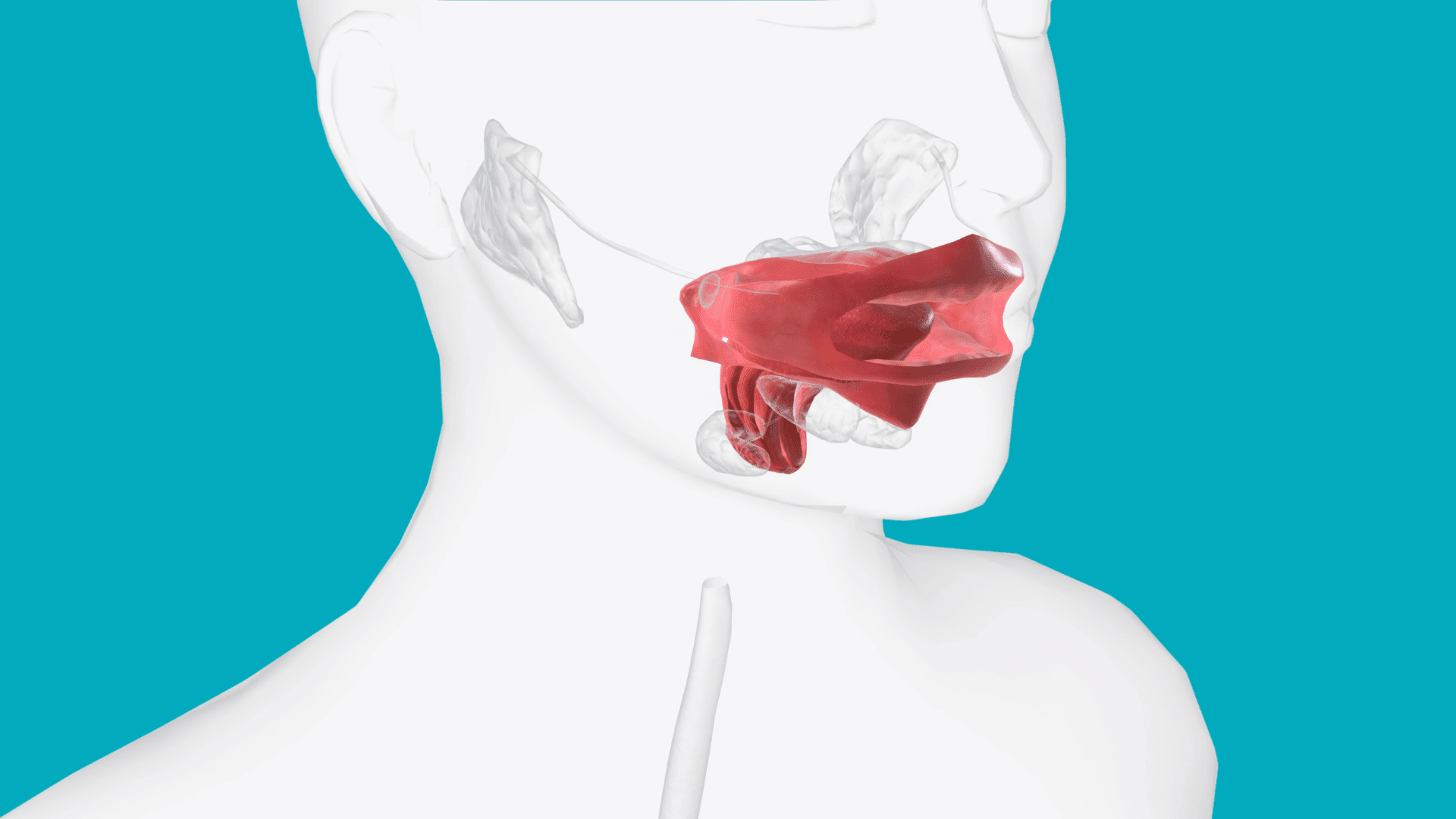
The team focused on HPV and two types of bacteria called Pg and Fn, which actively make cancer worse and lower the chances of survival.
Advertisement
“The global increase in oropharyngeal cancer is linked to HPV infection,” says Daniell. “And Pg and Fn infections worsen survival rates of untreated recurrent or metastatic oral cancer, even after surgery and risk-adjusted adjuvant, or supplemental, therapies.”
The researchers used a gum made from lablab beans, or “bean gum,” that contains a natural protein that blocks viruses. In their tests, the gum reduced HPV levels in saliva by 93%. Additionally, they added a specific peptide to the gum that targets harmful bacteria. After just one dose, the bad bacteria levels dropped to almost zero.
A Method With Potential
The gum’s precision is what sticks out the most to researchers. Standard treatments like radiation often wipe out everything in the mouth, both the bad germs and the good ones that keep us healthy. This can lead to painful side effects like yeast infections. The bioengineered gum, however, left the “good” bacteria alone while killing the “bad” germs.
“Lip and oral cavity cancer was the seventh leading cancer type in cancer incidence and mortality rate worldwide in adolescents, young adults, and middle-aged adults in 2022,” said Daniell. “Our findings support the value of advancing these therapies to clinical trials as adjuvants with current treatments or as prophylaxis to prevent infection and transmission.”
 Read Exclusive Stories
 Bookmark & Save Articles For Later