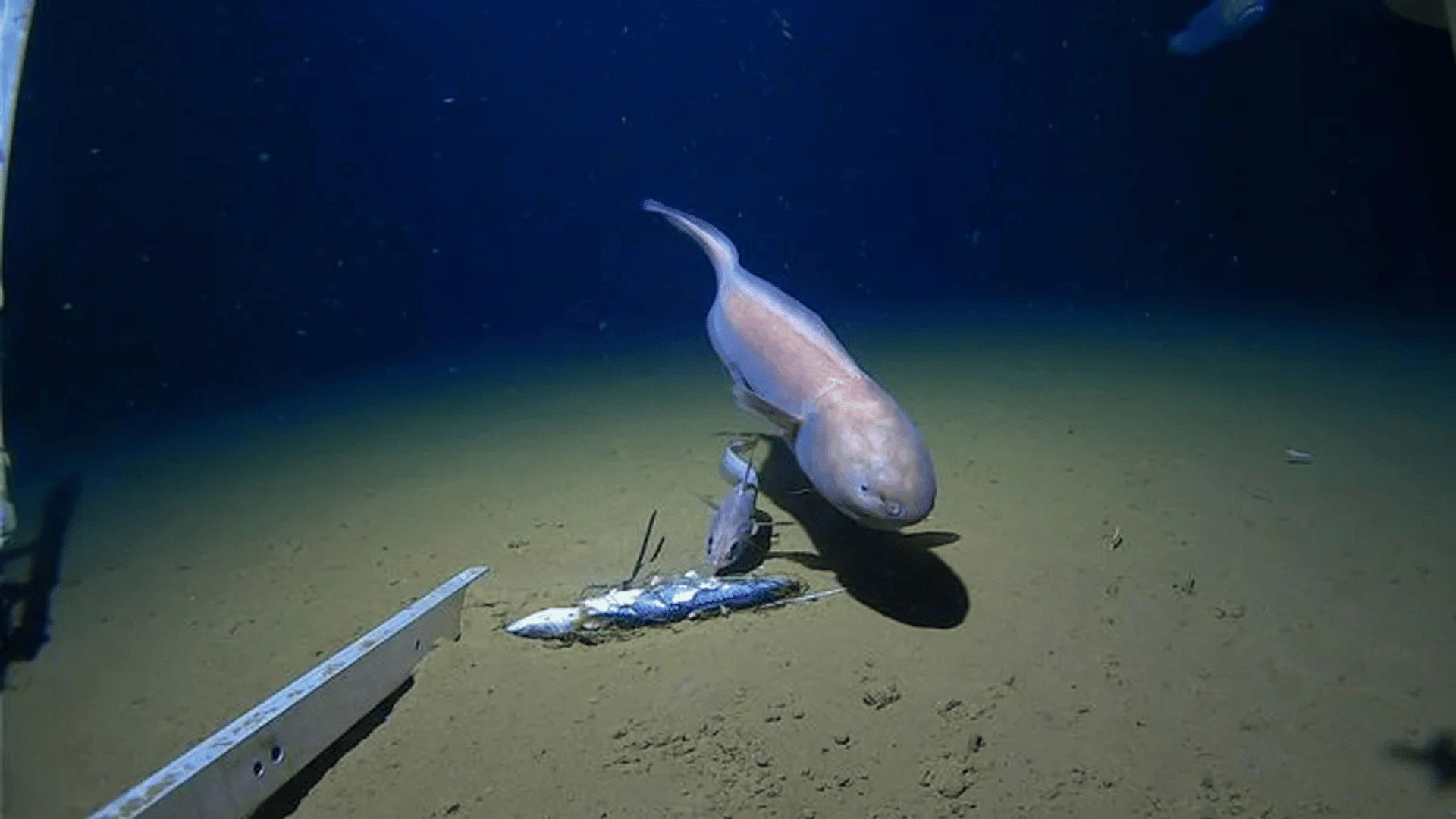
An international team of researchers cataloged approximately 108 distinct organism groups, the deepest-ever recorded fish, and a never-before-seen species over the course of a two-month study.
Deep-Sea Expedition
There are two deep-sea trenches located a short distance from Japan in the Pacific Ocean. Though neither is the deepest in the world, the Ryukyu trench and Izu–Ogasawara trench still boast depths of around 24,606 to 25,918 feet and 31,824 to 32,152 feet.
Beginning in 2022, researchers at the Minderoo-UWA Deep-Sea Research Centre at the University of Western Australia and the Tokyo University of Marine Science and Technology undertook a two-month expedition to explore the biodiversity in this area. Aboard the DSSV Pressure Drop, the team took excursions into the trenches using the crewed deep-sea submersible Limiting Factor.
Whereas typically researchers bring deep-sea specimens to the surface for examination, which can damage them, the team aboard the Pressure Drop followed a planned route to study species in their habitats directly. They also released baited “landers” to lure in fish and decapods.
Advertisement
“This combination enabled us to build the most comprehensive visual baseline yet for abyssal and hadal megafauna in the Northwest Pacific to date,” the team explained in a statement.
One of the most notable moments of the study was when the crew spotted an unknown, slow-gliding organism that’s currently designated as Animalia incerta sedis. The creature was spotted twice at a depth of approximately 29,977 feet, though the team has engaged in extensive discussions with taxonomic experts, they’ve been unable to classify it.
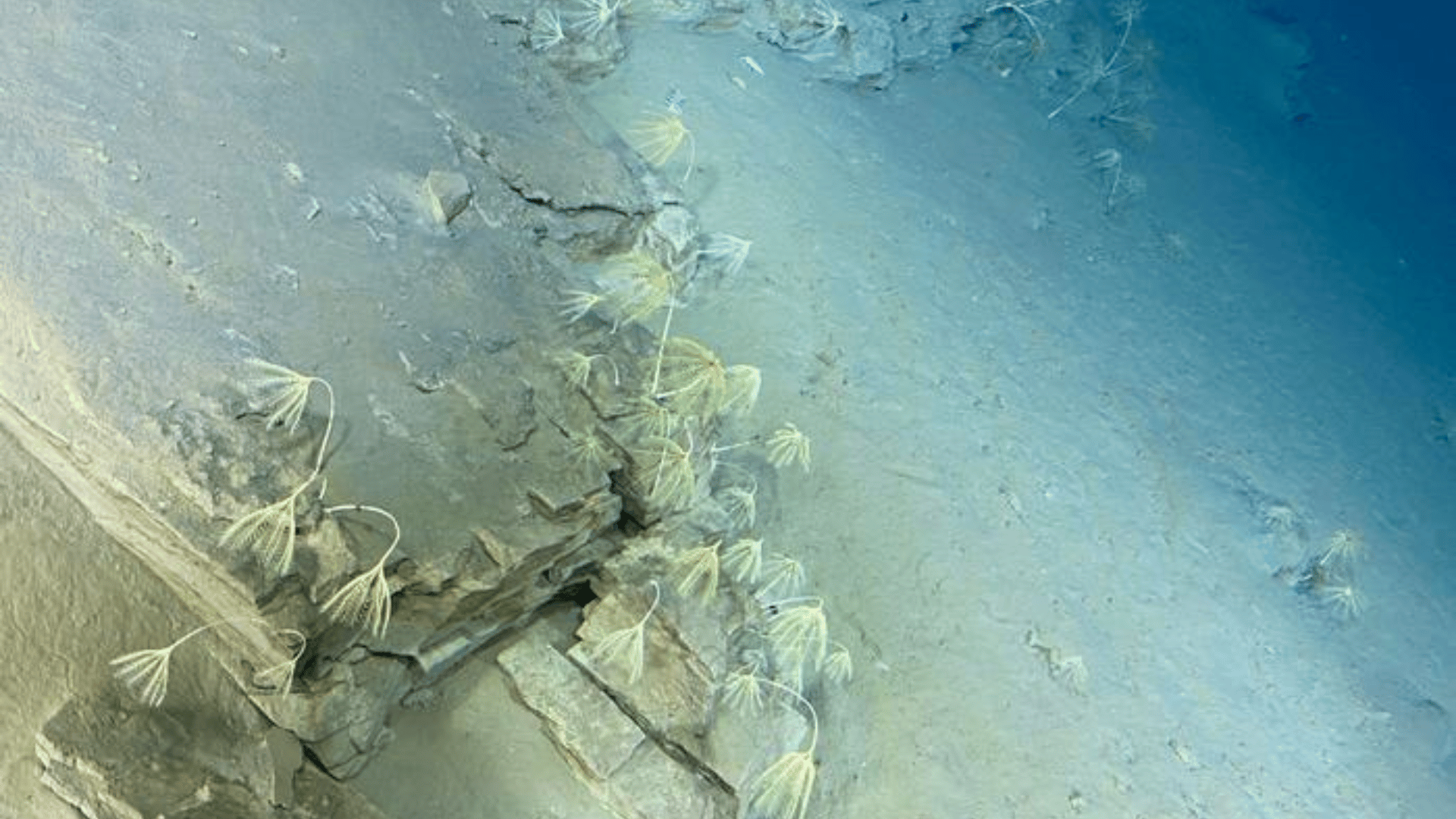
The new organism reportedly has traits similar to sea slugs or sea cucumbers. At the bottom of the Boso triple junction, the researchers saw “crinoid meadows,” which resemble underwater fields covered in animals called sea lilies.
“This study was not simply about observing deep-sea organisms, but also aimed to establish a foundation for future research at these depths,” the team stated. “More than anything, the hadal zone remains one of Earth’s least-explored and most intriguing frontiers.”
The paper is published in Biodiversity Data Journal.
 Read Exclusive Stories
 Bookmark & Save Articles For Later