A new Raphael retrospective at the Met focuses on the impact the painter had on several other artists. In the introduction to the exhibition, curator Carmen C. Bambach coins Raphael, “one of the greatest influencers of all time.”
One of History’s Greatest Artistic “Influencers”
Raphael’s paintings helped to establish rules of composition and perspective that are still used in art today. He worked on commission for powerful individuals, including Pope Leo X and the Sienese banker Agostino Chigi.
He laid the groundwork for future artistic movements, such as Mannerism and Neoclassicism. His pieces also depict his subjects with an earthbound humanity, which was missing from the genre prior to his work.
“Leonardo da Vinci promises us heaven,” Pablo Picasso reportedly said. “Raphael gives it to us.”
In his famed Lives of Artists, Renaissance-era art historian Giorgio Vasari used the same word to describe both Raphael and all the people on his team: “blessed.”
Advertisement
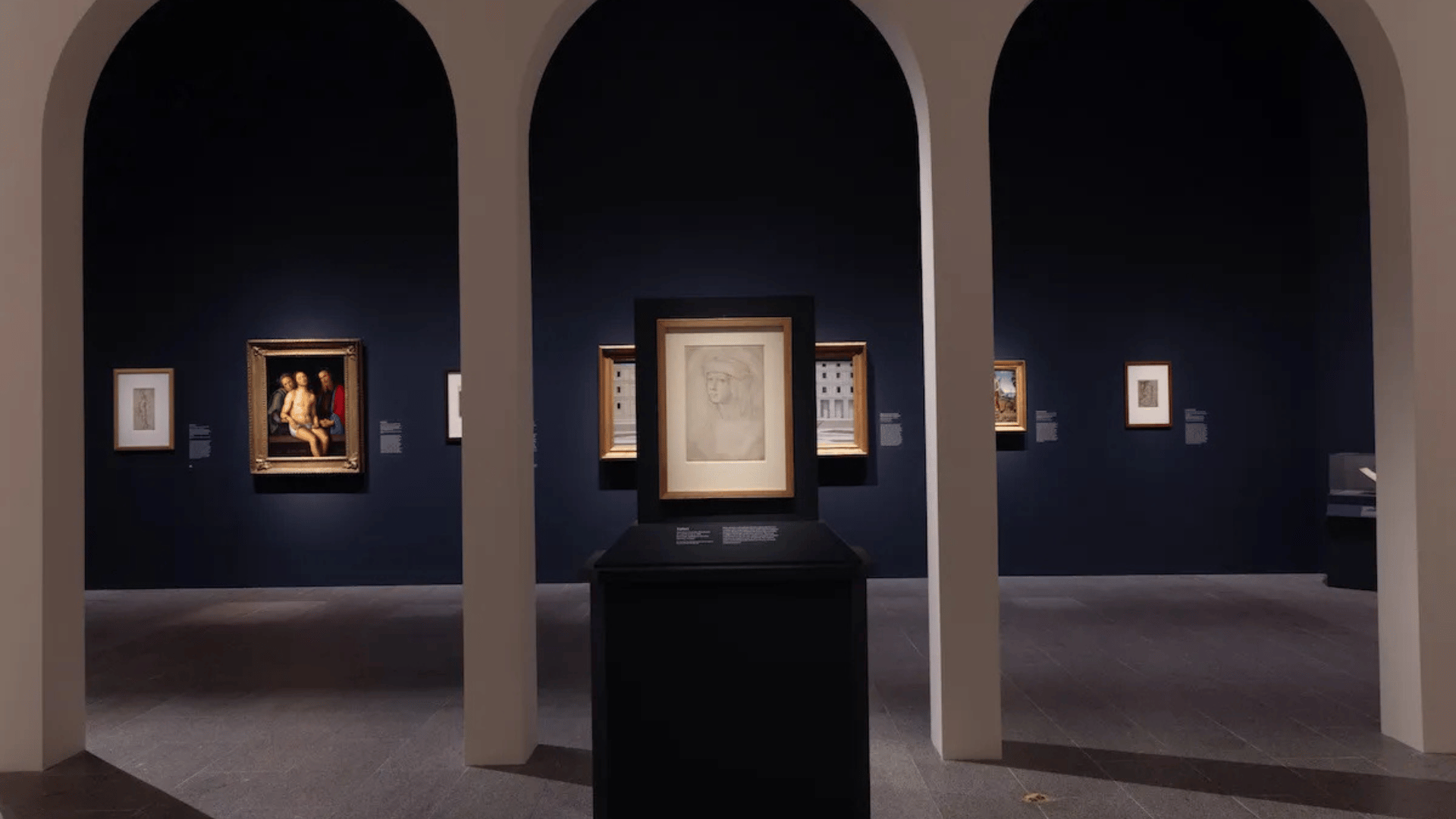
The Met show contains 237 works, including several that aren’t by Raphael, suggesting that his career permeated beyond his own work. Curator Carmen C. Bambach spent eight years organizing the survey, titled “Raphael: Sublime Poetry,” which is the first show of its kind ever staged in the US.
Though most of the show includes Raphael’s drawings, a few of his paintings have also been brought to the Met, including a gallery devoted to painted portraits.
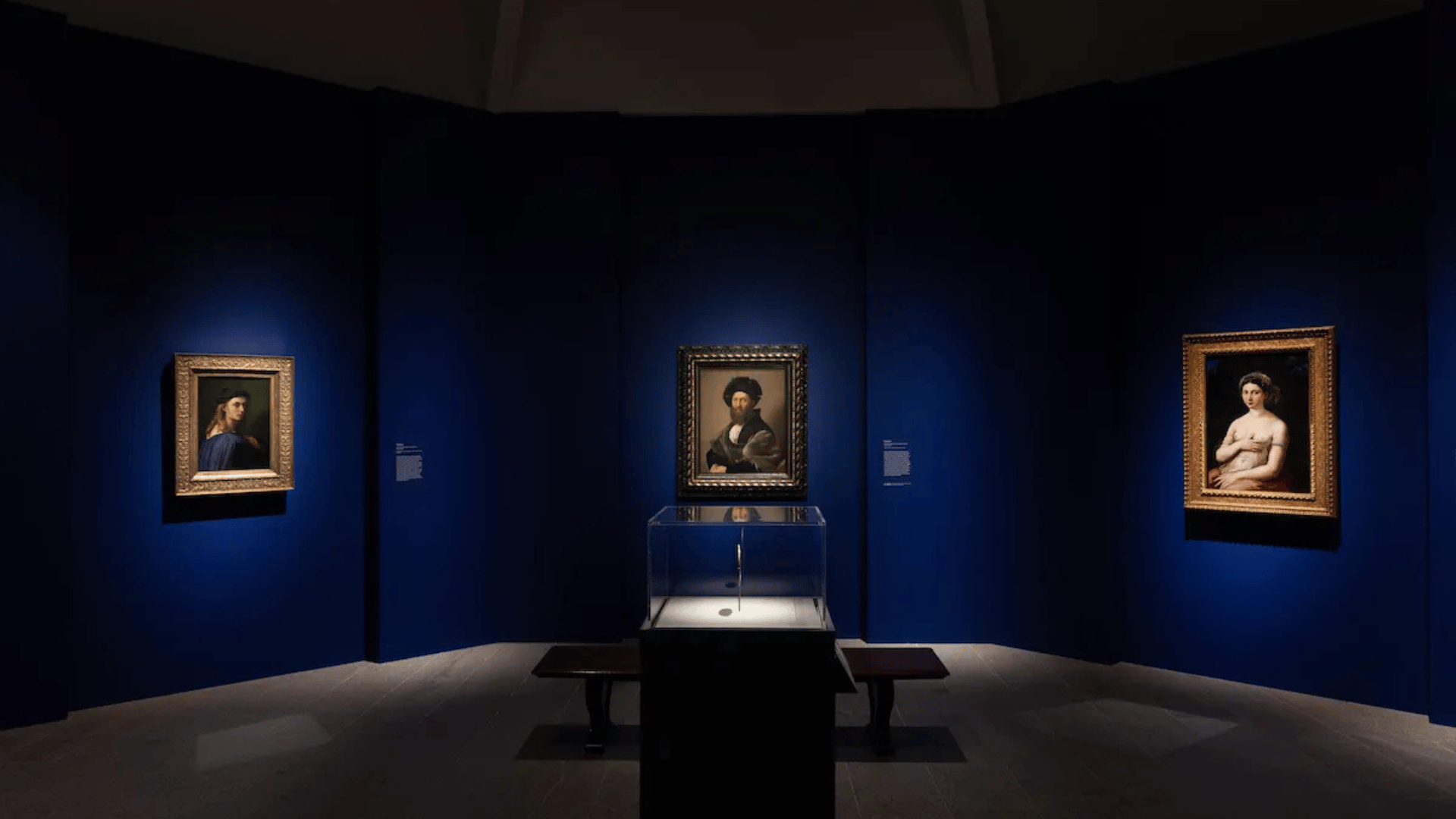
One piece in the gallery is titled Portrait of Baldassare Castiglione (ca. 1514–15), which features a diplomat whose baggy eyelids suggest long nights devoted to his work. The painting is typically held by the Louvre, which hasn’t loaned the painting to the US in two decades.
There’s also Portrait of a Young Woman (ca. 1507–08), another famous work that features a model set against a field of thick blackness, with a few wisps of brown hair fallen askew.
The show also features large tapestries hanging 15 feet in the air, which were woven in a Brussels workshop two decades after the artist’s death using his cartoons. These textiles haven’t left Madrid since they were acquired in the mid-16th century.
 Read Exclusive Stories
 Bookmark & Save Articles For Later