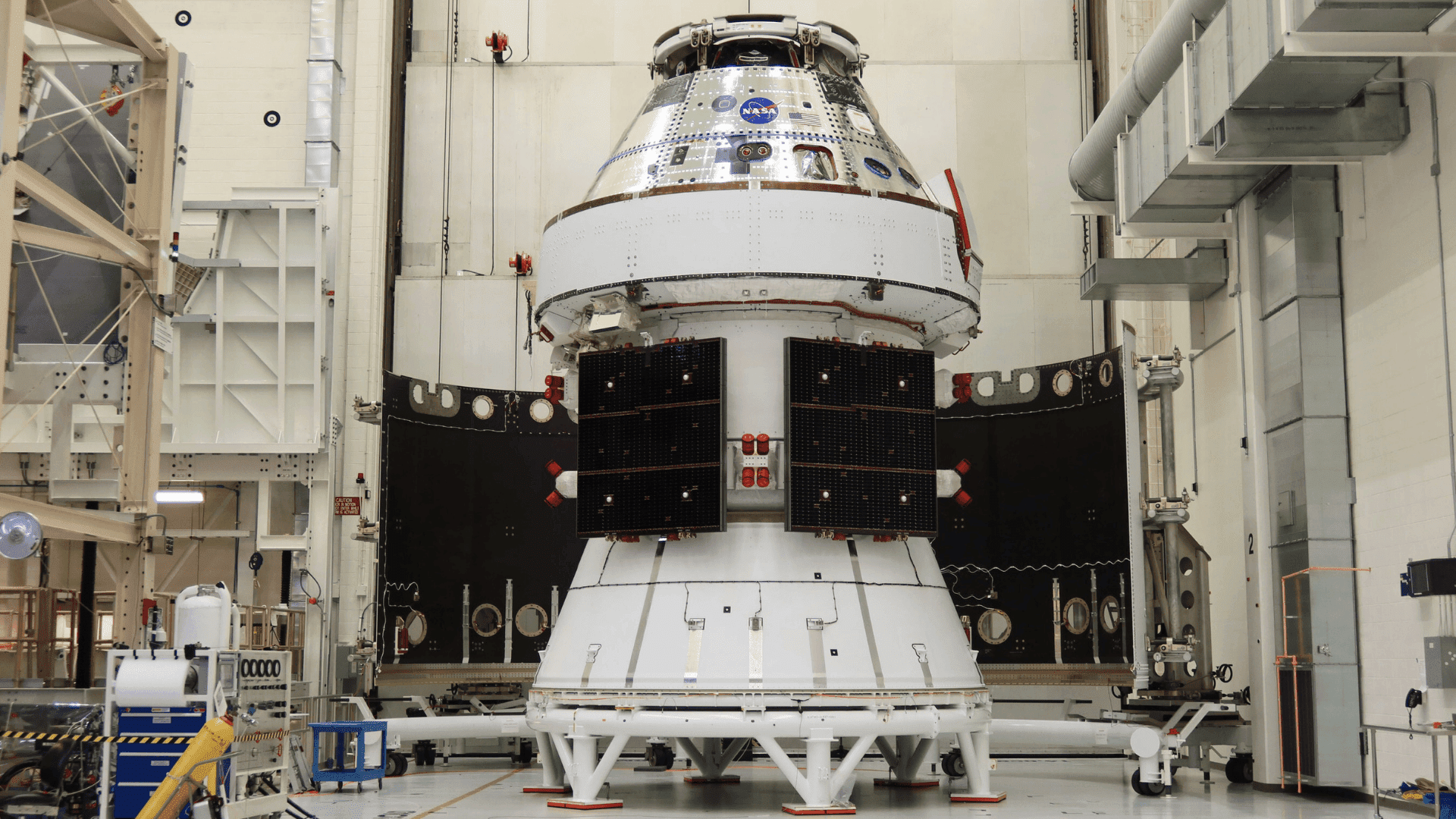
After successfully completing the second Wet Dress Rehearsal of the Artemis II mission on February 19, including tests for loading 700,000 gallons of liquid oxygen and liquid hydrogen, successfully testing the loading of the mission’s crews and ground teams, and completing the validation of the Environmental Control and Life Support System and “White Room” procedures for sealing the craft, a complication that will postpone the mission’s launch has been identified.
The helium flow to the rocket’s upper stage, the Interim Cryogenic Propulsion Stage (ICPS), was interrupted during the early hours of February 21. Helium itself is a non-reactive gas that is used to pressurize the fuel tanks and maintain the operational environment of the rocket’s engines.
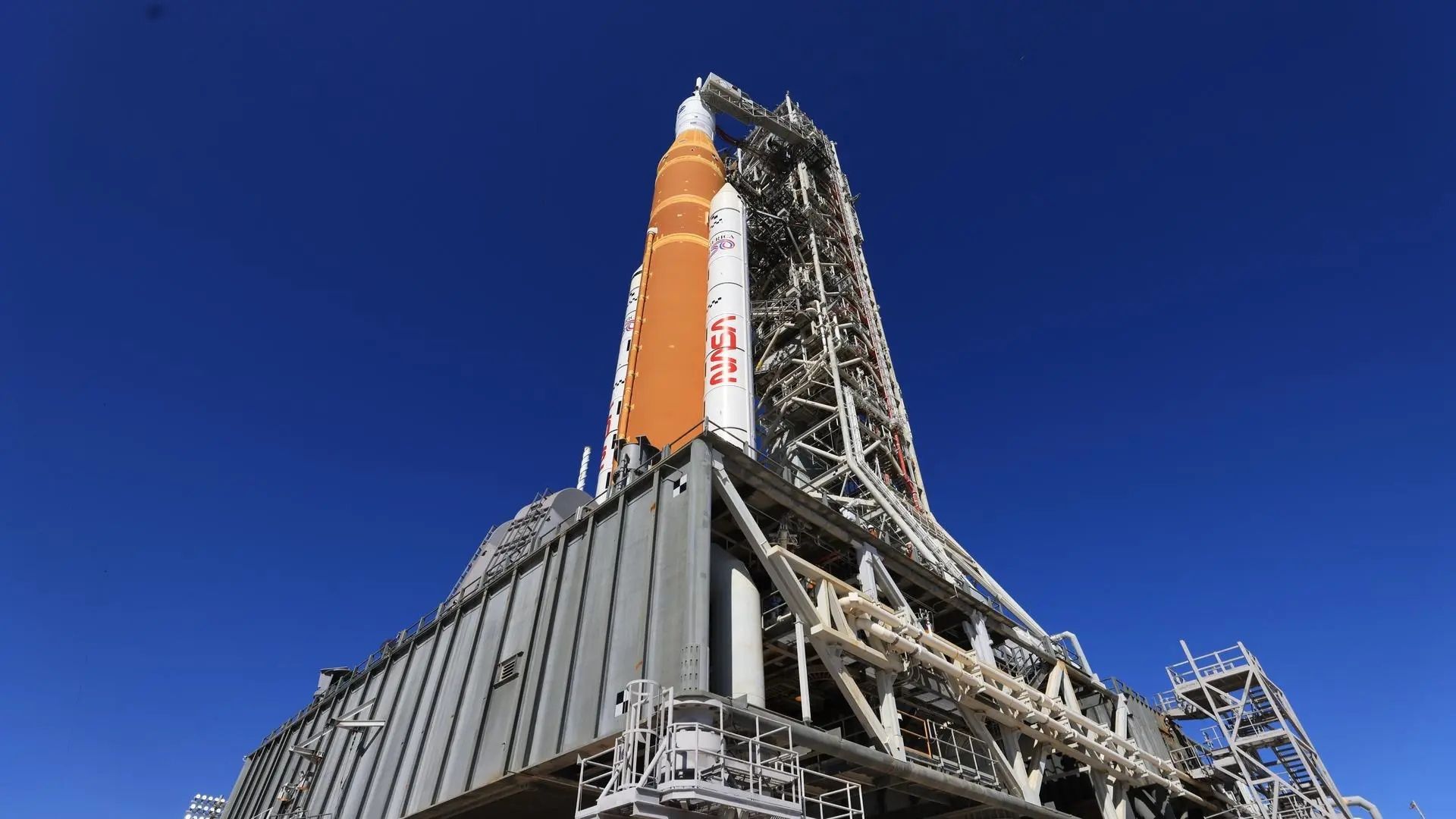
Because no official launch date had yet been established for the Artemis II mission, allowing for more flexible adjustments to launch preparations, and because the current launch pad does not permit the necessary access to address the rocket’s helium flow issues, NASA determined the rocket must be rolled back to the Vehicle Assembly Building (VAB). This relocation allows technicians the specific access required to repair the internal systems. Due to forecasts of extremely high winds and cold temperatures, the official rollback of the Artemis II rocket was rescheduled. This action effectively preserves the possibility of a launch window in the following month, pending the outcome of data findings and repair efforts.
Advertisement
As a result of these changes, a previously potential launch date of April 1, 2026, has been moved up from its tentative March date pending announcement; NASA’s four astronauts have also been forced to be released from their quarantine period while in Houston. As stated by NASA in their recent mission update:
“The quick work to begin preparations for rolling the rocket and spacecraft back to the VAB potentially preserves the April launch window, pending the outcome of data findings, repair efforts, and how the schedule comes to fruition in the coming days and weeks.”
Once the rocket has been transferred to its VAB facility, it will be placed in a section with specialized access platforms. These features will enable NASA teams to troubleshoot the helium flow issue.
 Read Exclusive Stories
 Bookmark & Save Articles For Later