Researchers at Washington University School of Medicine in St. Louis have found a way to predict when a person might start showing Alzheimer’s symptoms. Using a single blood test, they created models that can estimate the onset of the disease within a three-to-four-year window.
The study, published Feb. 19 in Nature Medicine, focuses on a specific protein in the blood called p-tau217. This protein acts as a marker for the brain changes associated with Alzheimer’s. Right now, doctors use this test to help diagnose people who already have memory issues. However, this new research shows it could also work as a sort of “biological clock” for those who don’t have symptoms yet.
“Our work shows the feasibility of using blood tests, which are substantially cheaper and more accessible than brain imaging scans or spinal fluid tests, for predicting the onset of Alzheimer’s symptoms,” said senior author Suzanne E. Schindler, MD, PhD.
How the Protein Clock Works
To build these models, the team looked at data from 603 older adults. They found that the buildup of proteins like amyloid and tau follows a very consistent pattern.
Advertisement
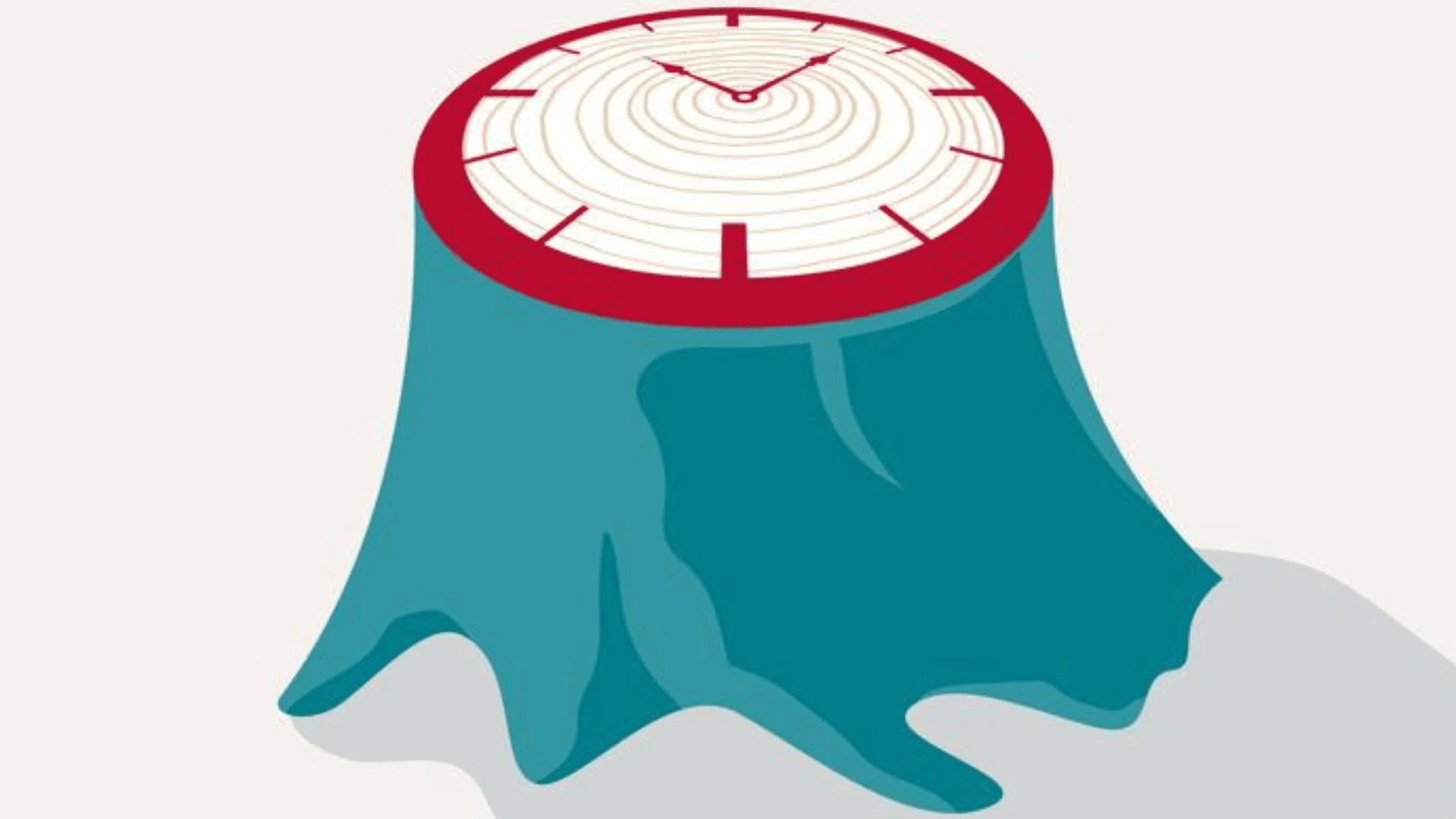
“Amyloid and tau levels are similar to tree rings — if we know how many rings a tree has, we know how many years old it is,” Dr. Kellen K. Petersen explained. “It turns out that amyloid and tau also accumulate in a consistent pattern and the age they become positive strongly predicts when someone is going to develop Alzheimer’s symptoms.”
“We found this is also true of plasma p-tau217, which reflects both amyloid and tau levels,” Peterson added.
The researchers also noticed that age plays a big role in the timeline. Younger brains seem to be more resilient. For example, if the protein levels were high in a 60-year-old, symptoms didn’t usually appear for another 20 years. But if those levels didn’t spike until age 80, symptoms typically showed up just 11 years later.
Future Implications
These findings could make clinical trials for preventive treatments much faster and more accurate. By knowing who is likely to develop symptoms soon, researchers can test new medicines more effectively.
“In the near term, these models will accelerate our research and clinical trials,” Schindler said. “Eventually, the goal is to be able to tell individual patients when they are likely to develop symptoms, which will help them and their doctors to develop a plan to prevent or slow symptoms.”
 Read Exclusive Stories
 Bookmark & Save Articles For Later