The autonomous future is no longer a West Coast phenomenon.
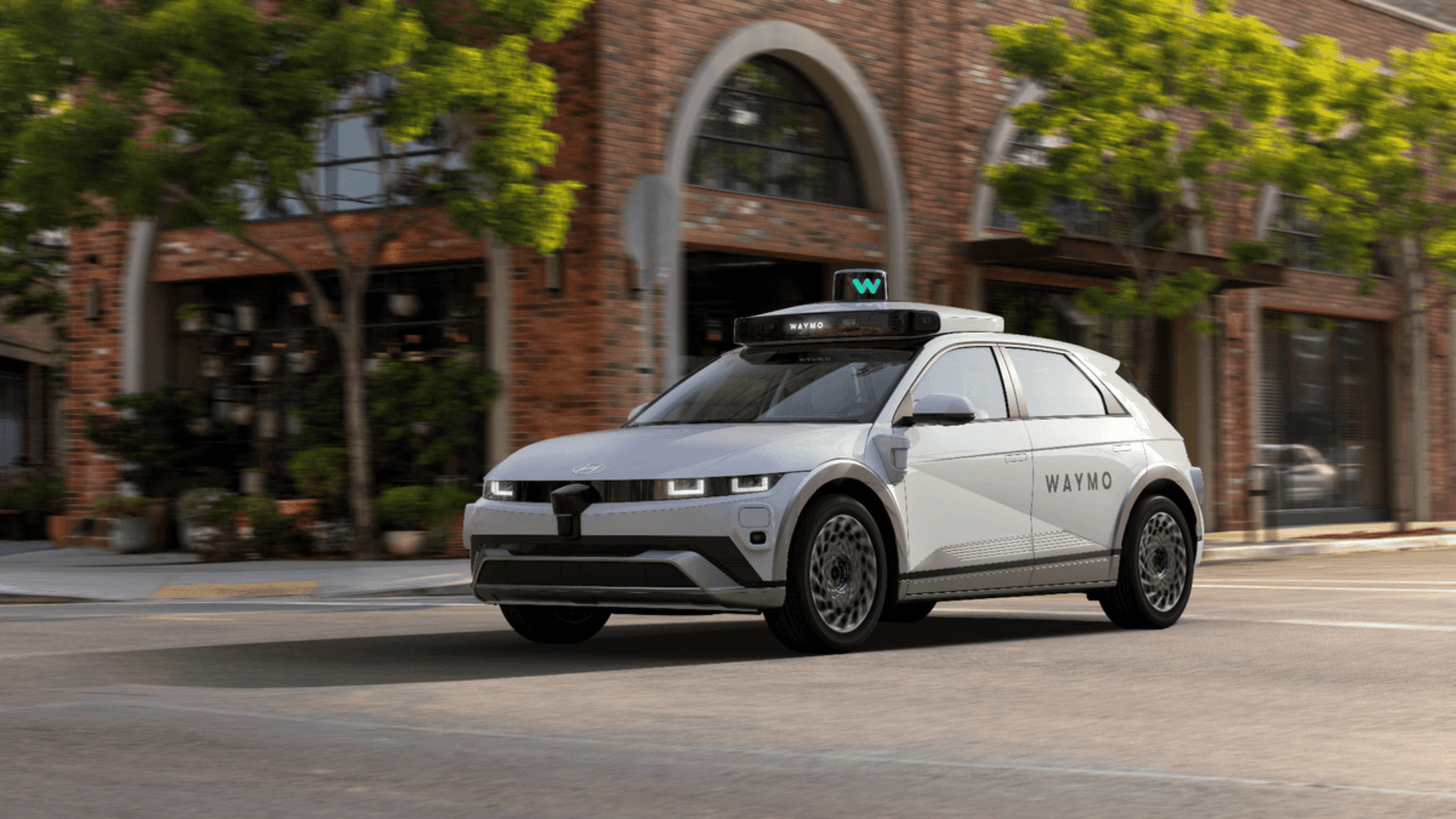
In a frenzied effort to scale its “Waymo One” service nationwide, Alphabet’s self-driving arm has officially launched in Miami, riding the tail of a two-month expansion campaign that has added five major U.S. markets to its ever-growing list.
As of January 22, Waymo has started inviting members of the public off the waitlist in Miami, signaling the official launch of its commercial operation in the Magic City.
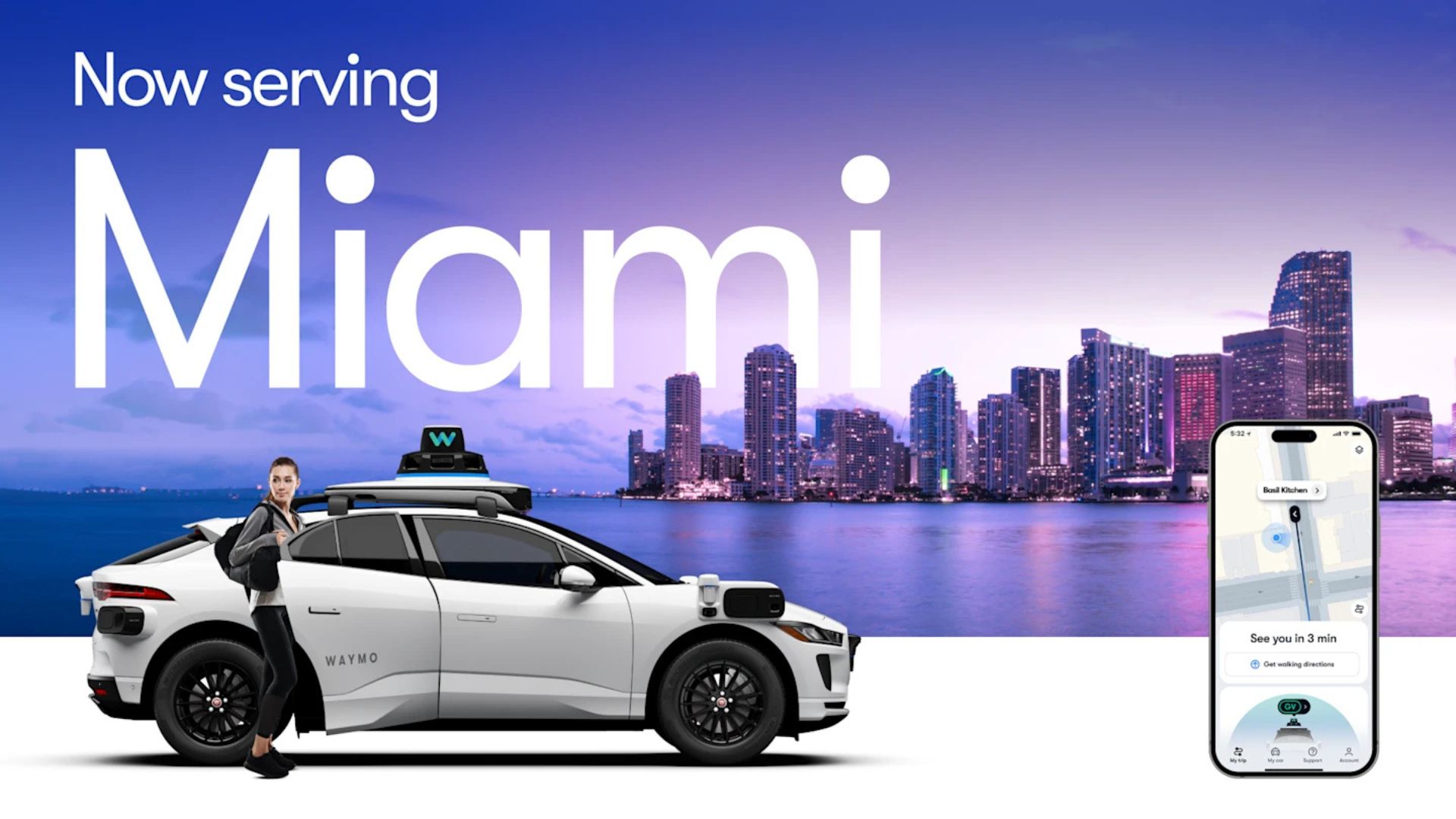
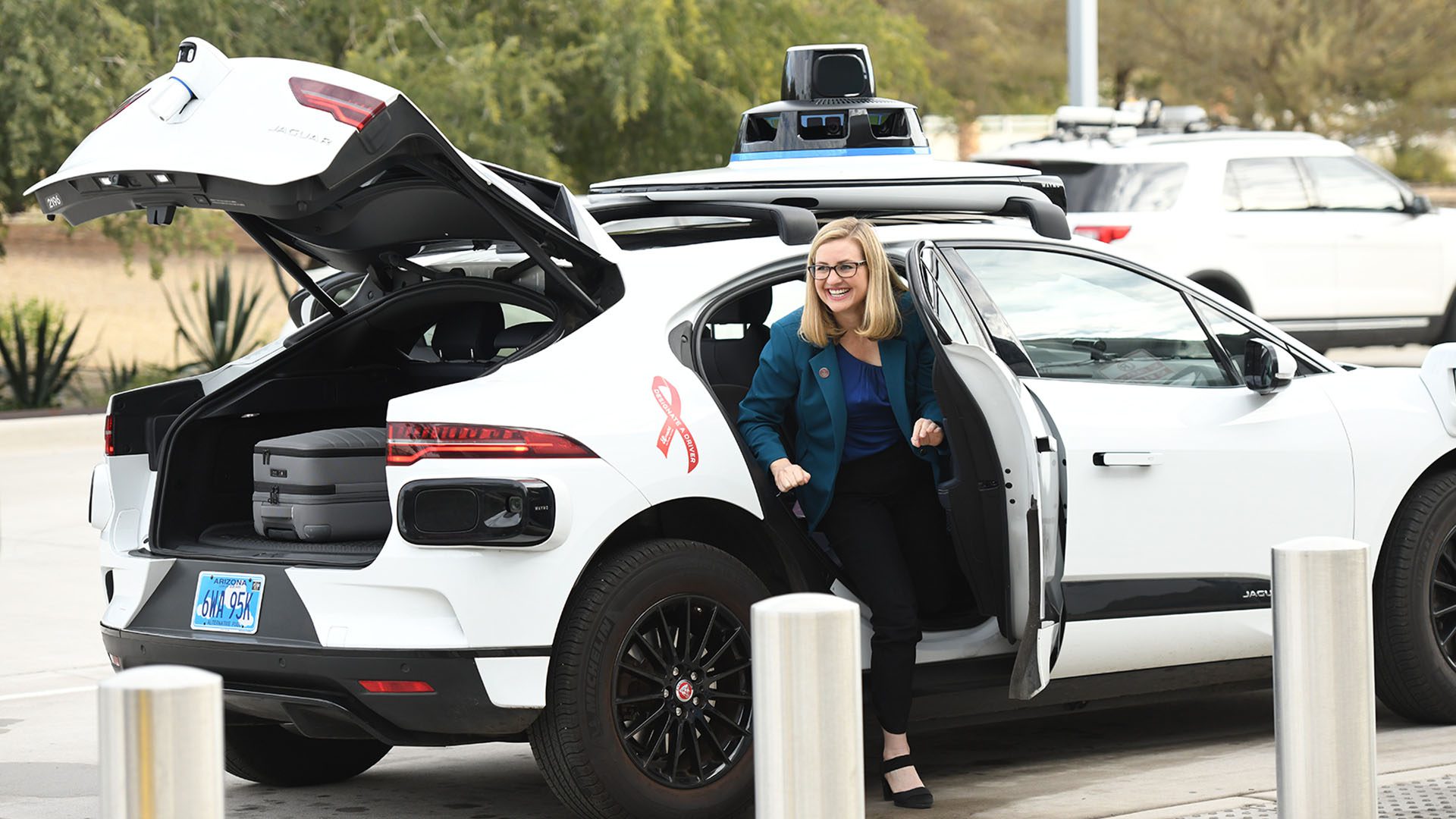
The launch area spans a 60-square-mile zone that includes the Design District, Wynwood, Brickell, and Coral Gables, where paying customers can now summon a ride free of human drivers.
Advertisement
“Miami is a city defined by its energy, myriad of global cultures, and its forward-looking spirit, and Waymo is proud to add to that momentum,” said Waymo Co-CEO Tekedra Mawakana. “We’re excited to offer its residents and visitors a safe, reliable, and magical way to move around and look forward to earning their trust with every ride.”
The new market is far from an isolated launch. It is the flagship market in a sprawling expansion plan announced on December 3, 2025, when Waymo revealed it would open its service in four other markets: Philadelphia, Pittsburgh, Baltimore, and St. Louis.
Although Miami is technically “live” for riders, these earlier markets have been undergoing the “mapping and testing” process before accepting passengers. Waymo has introduced human-driven vehicles in these areas to master the local traffic rules and patterns before removing the driver from the equation. The return of self-driving technology to Pittsburgh is especially notable, as it brings it back to where many early breakthroughs were made at Carnegie Mellon University.
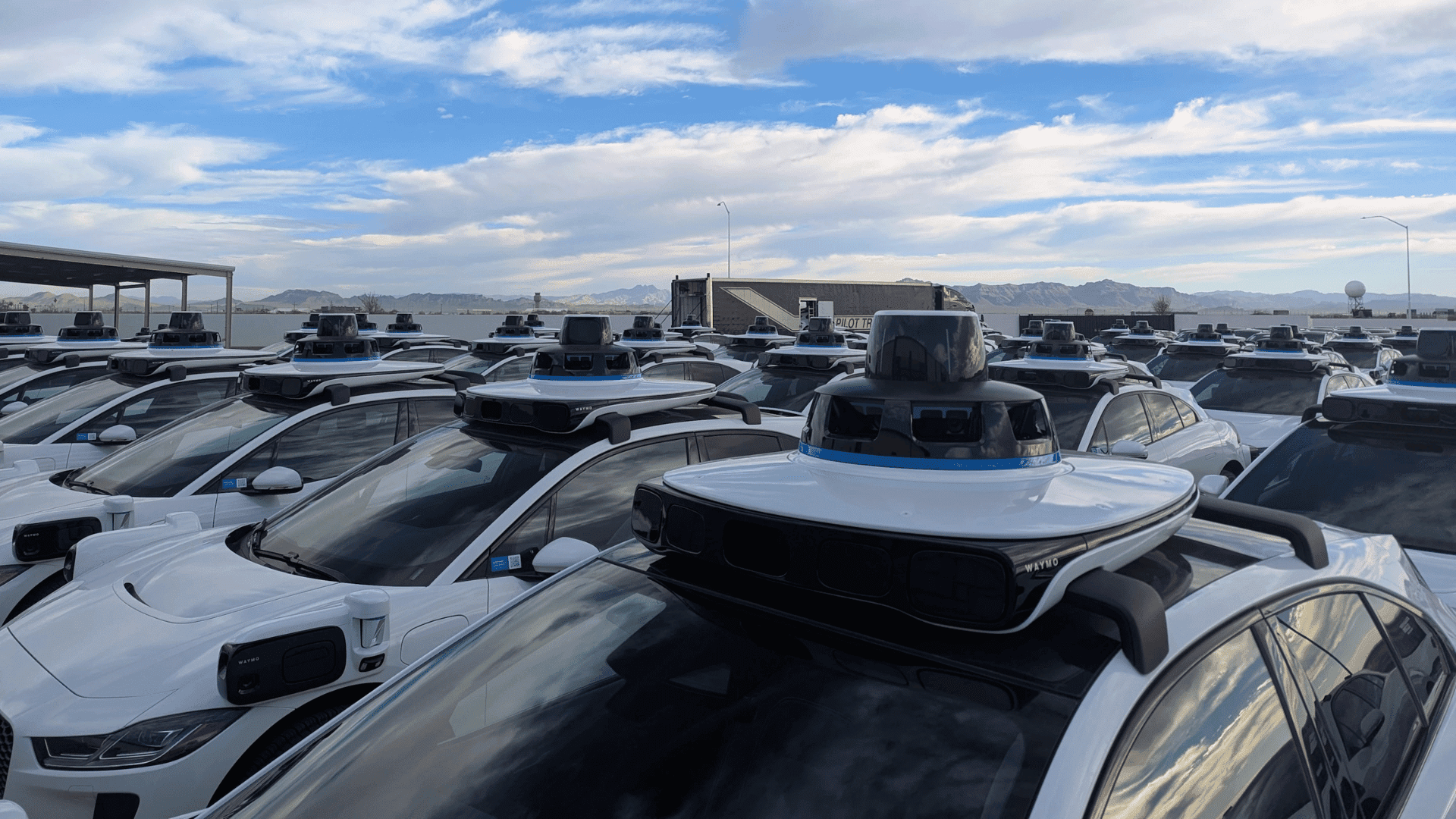
This rapid expansion indicates a shift in Waymo’s tactics away from conservative testing to commercial-scale production. By activating multiple complex urban environments on the East Coast and Midwest at once, Waymo is now on a mission to become America’s first true autonomous utility.
 Read Exclusive Stories
 Bookmark & Save Articles For Later