Before that day, movies were just filler. They played between vaudeville acts on stage. Nobody had ever built a room dedicated only to moving pictures. Davis and Harris charged a nickel. They opened at eight in the morning and stayed open until midnight. Working folks stopped by on their way home from the steel mills and factories. A nickel was pocket change back then, and the place filled up instantly.
That little storefront birthed an entire industry. Within two years, about 8,000 nickelodeons popped up across the country. By 1910, roughly 26 million Americans went to the movies every single week. Today, that building is gone. Most people walk right past the spot without noticing anything.
This is the pure essence of creation.
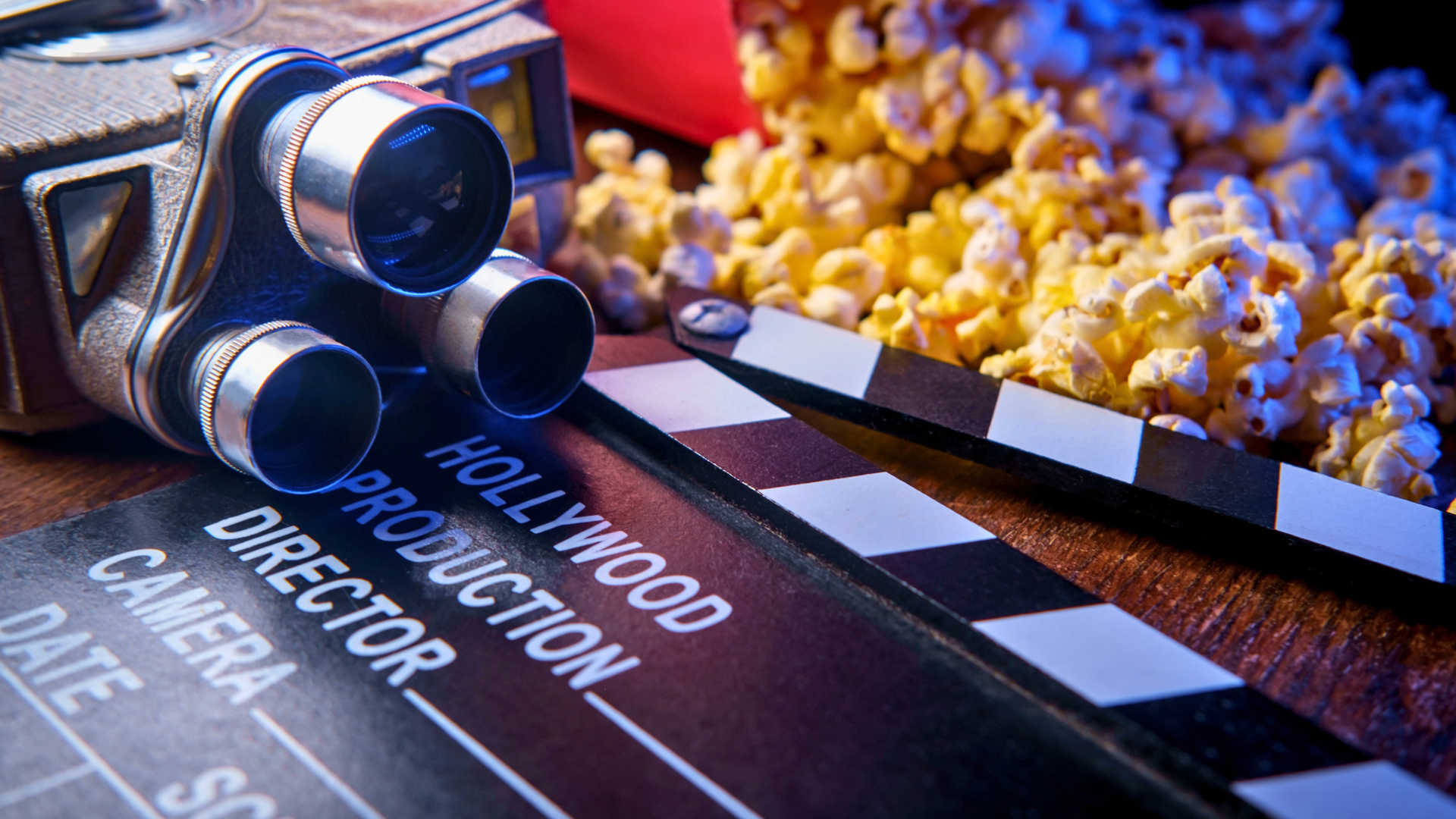
World of Creation
Advertisement
The World of Creation is not always about high-tech labs or billion-dollar budgets. Sometimes it starts with a simple blank space, a white sheet, and a stubborn belief that people want something new. Davis and Harris looked at a technology—moving pictures—and completely reimagined how humans experience it. They turned a novelty act into a permanent destination.
We talk a lot about innovation on Tomorrow’s World Today. We look at artificial intelligence, renewable energy, and biotech and track complex tech shaping our future. But every single piece of advanced technology starts right here in the creation phase. Someone has to take existing tools and put them together in a way nobody else has tried yet.
Think about how movies work today. We carry screens in our pockets with access to millions of films, we have massive IMAX theaters with surround sound and digital projectors, and we stream blockbusters straight to our living rooms in 4K.
None of that happens without 96 secondhand seats and a nickel.
Creation happens when people stop waiting for permission and just build the thing,whatever the ‘thing’ might be. Harry Davis and John Harris did not have a master plan to jumpstart the movies and Hollywood. They just wanted to fill an empty storefront and show some moving pictures. They sparked a cultural shift that changed entertainment forever.
Every big leap forward begins with a small, local spark. Someone looks at a blank wall and asks a simple question. What happens if we try this? And just like that, the future starts moving.
 Read Exclusive Stories
 Bookmark & Save Articles For Later