If you stood on the corner of Congress Avenue and 6th Street during the initial rollout, you could have witnessed the future of transportation. Or at least, the appearance of it.
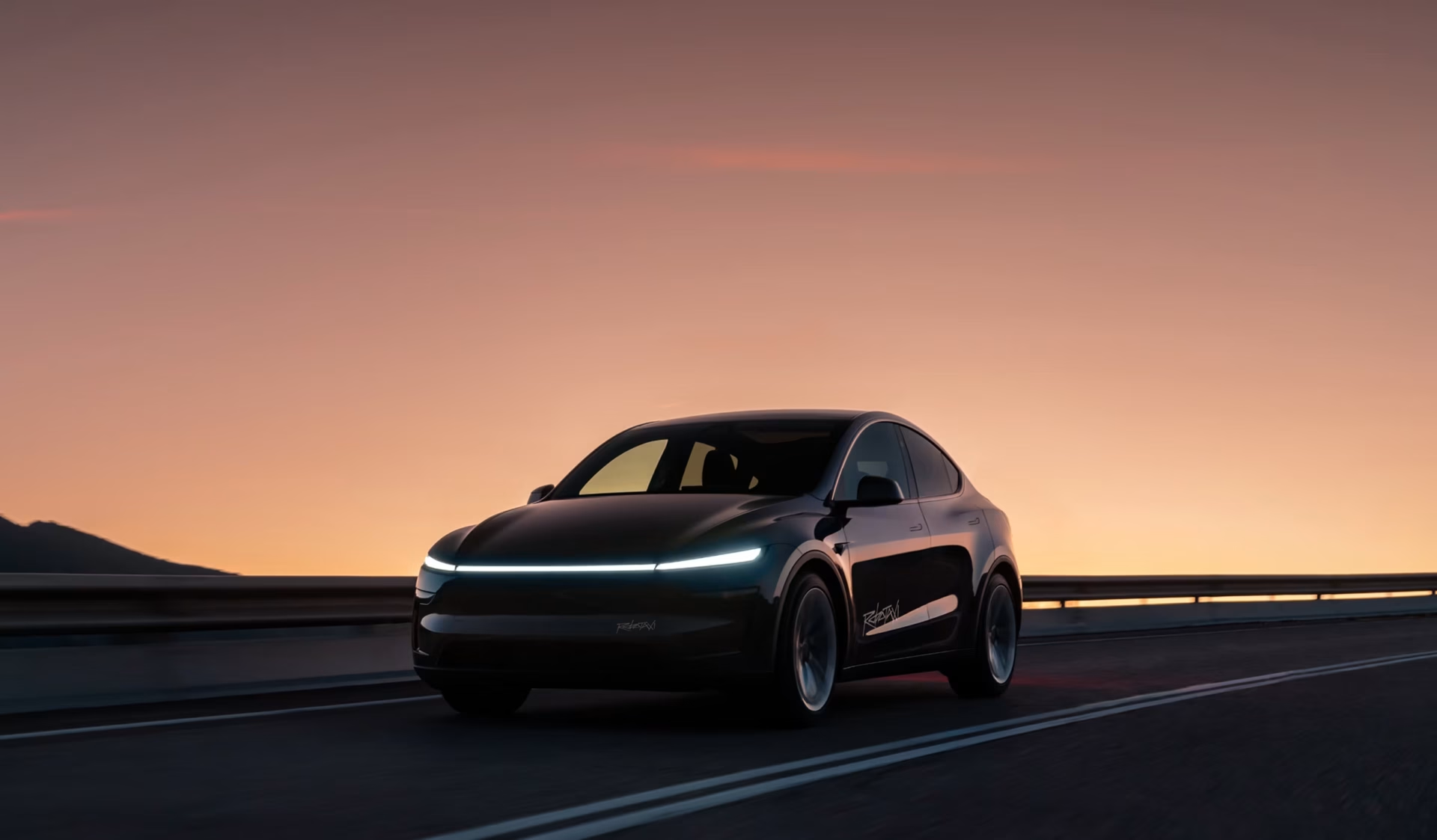
Since the fleet’s arrival, some of Austin’s luckier residents have found themselves bumper to bumper behind gleaming silver Cybercabs, Tesla’s autonomous cars that precisely navigate the chaos of rush hour traffic. The best part about these cars? No driver—they’re fully automated.
For the Tesla engineers responsible for these cars, the reality is much less glamorous. Following every Cybercab on its journey through Austin is a “Chase Car”. Twenty feet behind the Cybercab’s futuristic chassis is a dusty, beat-up Model Y driven by two Tesla engineers. Inside the car, the engineers watch their laptops intently as they control the car through a mysterious “kill switch”. Today, this car is helping keep us safe, but in another lifetime, its driver might have been our chauffeur to Disneyland or the airport.
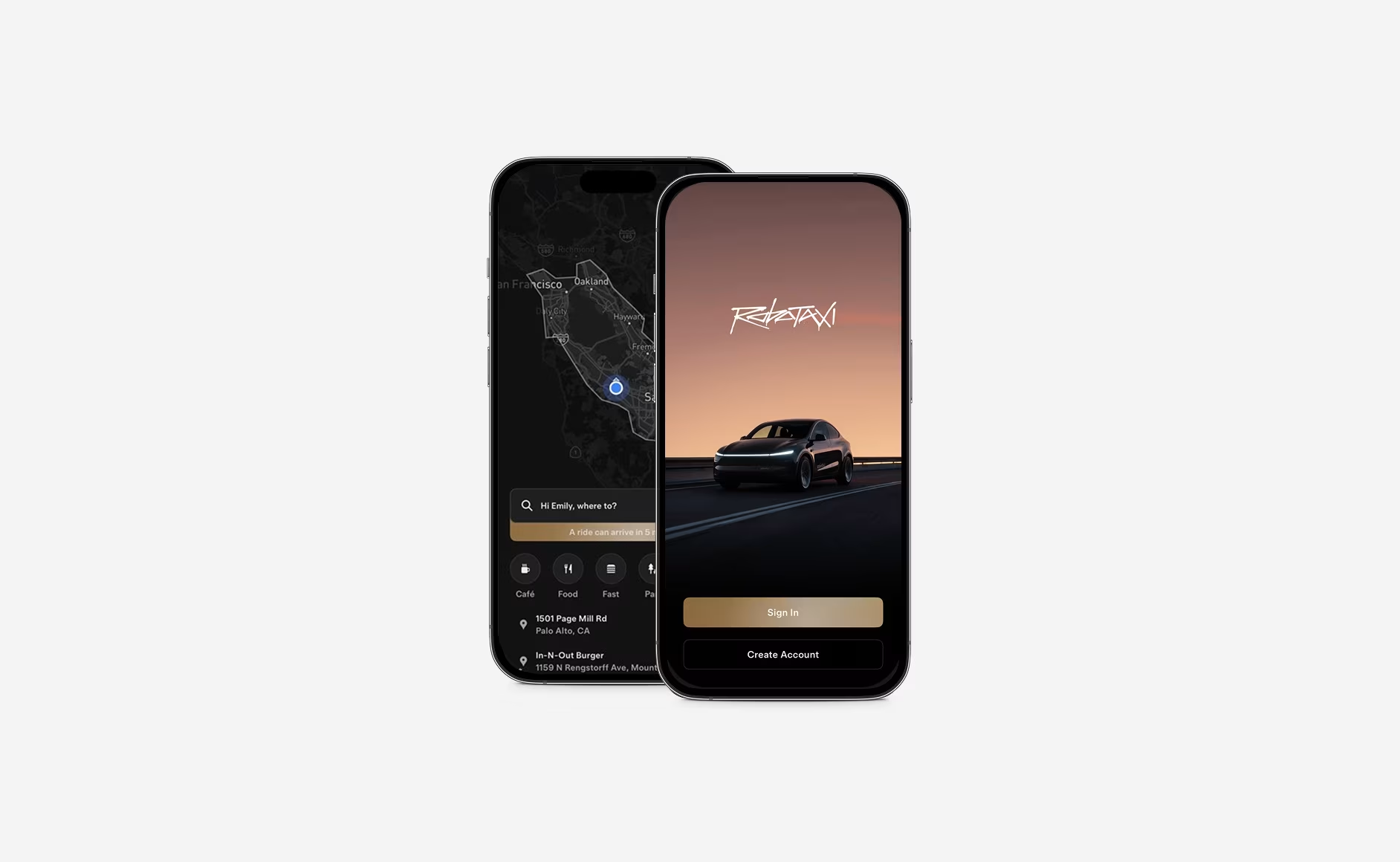
But after the company’s pivotal Q4 2025 earnings call, the rules of engagement have changed.
In a call with investors, and under the cover of a major new “AI5” computer investment, Elon Musk confirmed what many safety advocates had been dreading. The chase car was a temporary solution, and it is leaving. “The safety monitor is a bottleneck,” Musk told investors during the briefing. “To achieve true scale, we must move to fully unsupervised learning. The Austin fleet is now cleared to fly solo.”
With those words, the experiment went operational. We are no longer observing a beta experiment conducted in secrecy with human oversight. We are watching the deployment of a “black box” intelligence in a crowded urban environment.