For as long as anyone can remember in the field of neuroscience, researchers have been presented with a significant challenge:
How can we cure diseases like Alzheimer’s, Parkinson’s, and epilepsy if we can’t accurately model a brain?
What’s developed in a mouse or a petri dish doesn’t necessarily work in a human being, because neither environment can truly mimic the complex electrical signaling in our brains.
The University of Melbourne, along with heavy hitters such as Quantum Brilliance, Tessara Therapeutics, and Axol Biosciences, announced the launch of a $2.1 million project to develop a Quantum Brain-on-a-Chip platform. This thing is essentially a synthetic brain that will let us test neurological drugs.
Advertisement
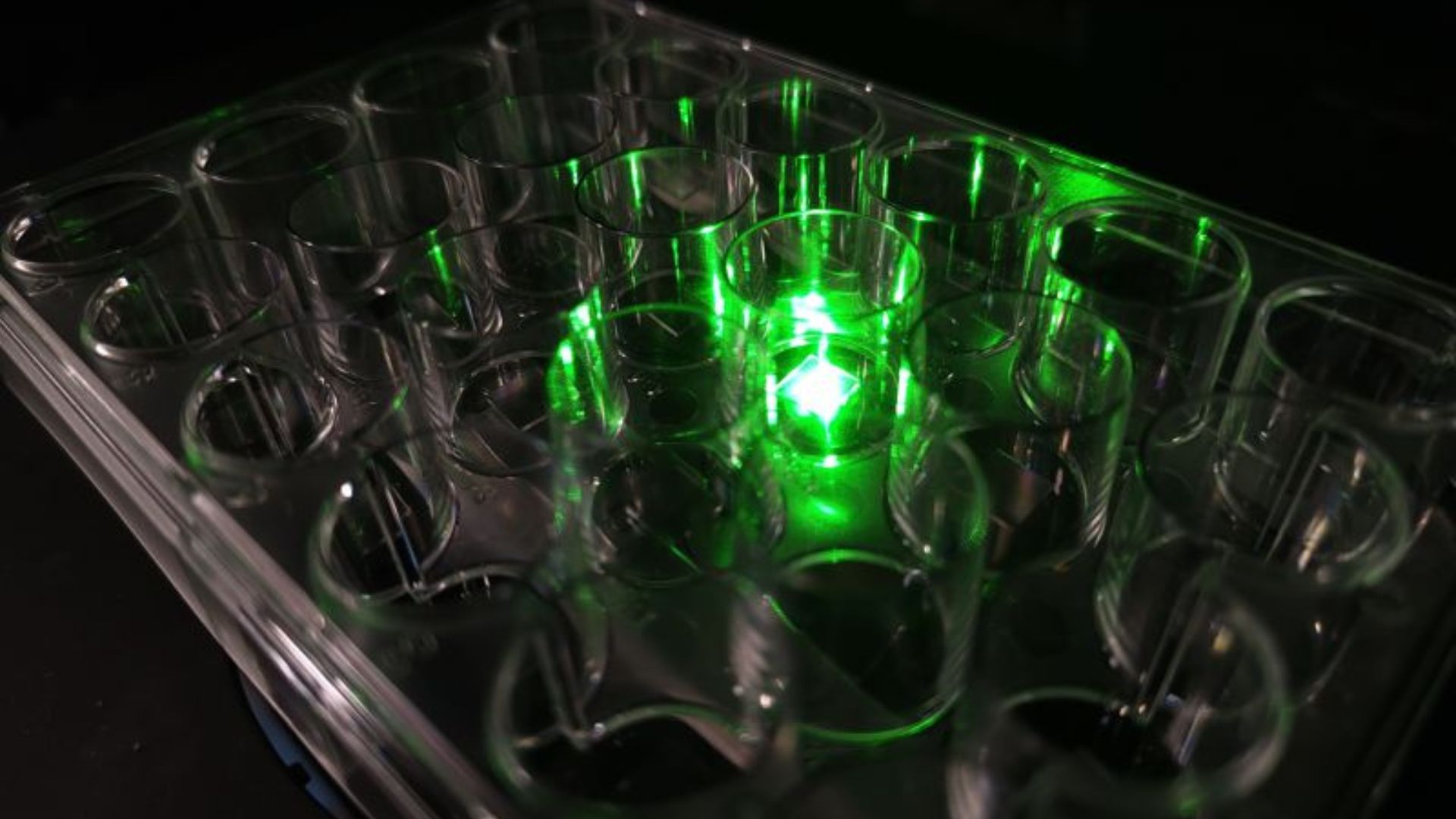
The device employs an innovation called Diamond Voltage Imaging Microscopy (or DVIM), developed by Chromos Labs and powered by Quantum Brilliance’s diamond-based quantum hardware.
DVIM can pick up electrical signals from neurons at the millivolt level using arrays of “nano-pillars” embedded in synthetic diamonds.
Unlike traditional methods that require electrodes or fluorescent dyes, which must directly interact with brain tissue and can be harmful, DVIM works non-invasively at room temperature.
Associate Professor David Simpson of the University of Melbourne said this will give them an unprecedented tool to measure brain activity in synthetic tissues that replicate the biology of human brains.
By merging 3D bioprinting with quantum technology, this quantum brain-on-a-chip could revolutionize neuroscience by enabling faster, more ethical, and cheaper development of new treatments for neurological disorders. Funded by the Australian Government’s Critical Technologies Challenge Program, this represents a massive step toward truly “personalized” medicine.