Scanning a baby’s heart is hard because it’s barely the size of a walnut and beats fast. Most MRI machines are built for adult bodies. Standard adult sensors leave gaps on an infant, which weakens the signal. Custom parts cost thousands of dollars and take months or years to make.
Researchers at the University of Southern California built flexible, custom MRI sensors that can be 3D-printed in under 10 minutes for about $30.
“By making customized MRI equipment faster and more affordable to produce, we have the potential to bring better imaging to patients who have traditionally had fewer options, especially infants and children,” said Yasser Khan, an assistant professor at USC. “We’re bringing a level of precision and customization to MRI that isn’t available today.”
A Better MRI Image
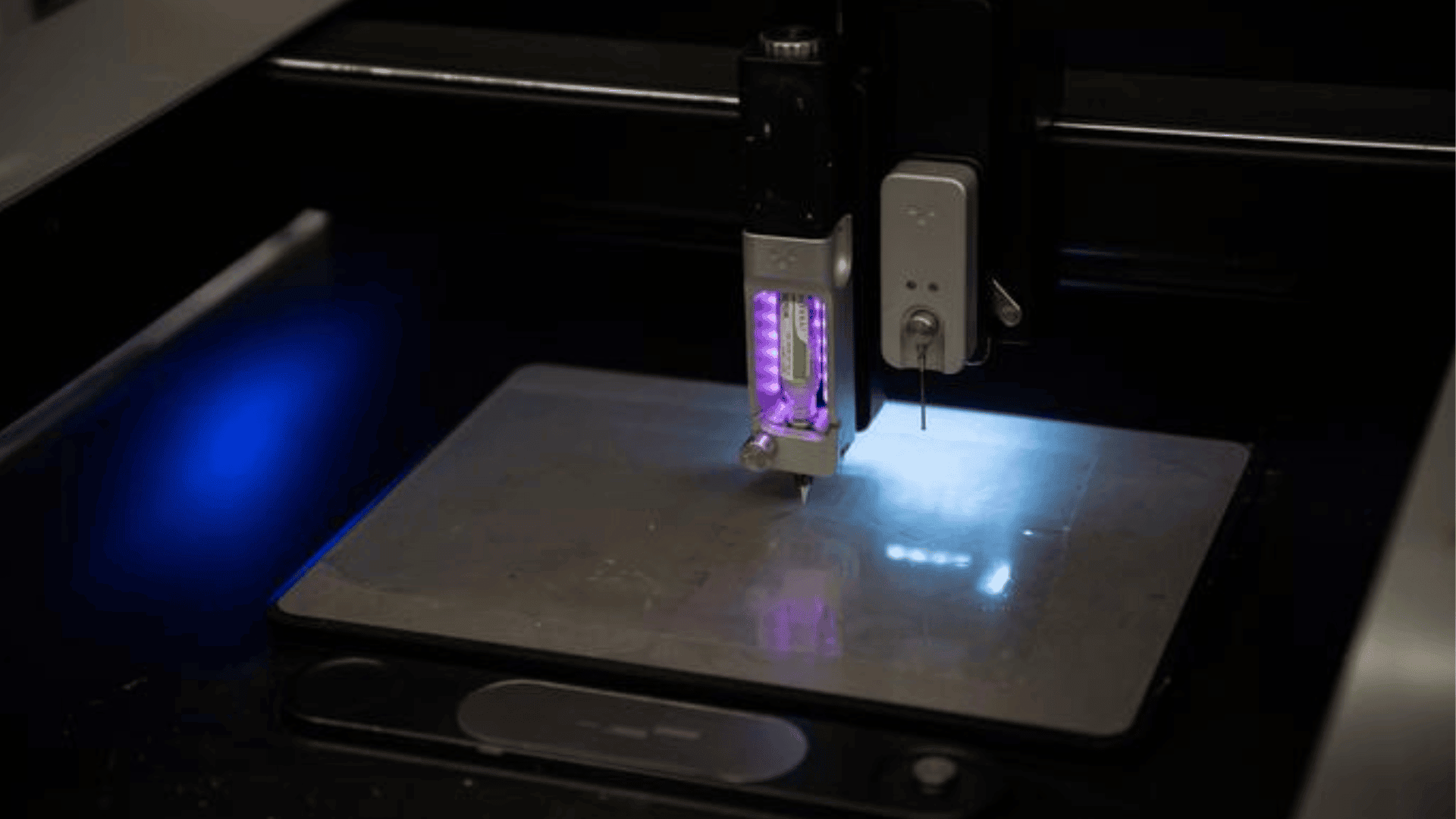
MRI sensors, called coils, act like antennas. The closer they sit on the skin, the clearer the picture. After three years of testing, Khan’s team learned how to print conductive silver ink onto a stretchy, skin-like plastic. It stretches just enough to move with the body.
In tests, these flexible sensors gave roughly four times greater image contrast than standard commercial versions.
Advertisement
“If you use a large lens to image something very small, you’re not going to get the clearest picture,” Khan said. “But if you can tailor the lens, in this case the MRI coil, to the individual patient, you can capture a much better image.”
Because the designs live on a computer, they are easy to change.
“For a growing child, that could mean creating different coils as the body changes,” Khan said. “The goal is to give children access to imaging equipment designed for their bodies, so doctors can get the clearest picture possible as they grow.”
Working Together
This project brought together Khan’s lab, which focuses on flexible electronics, and USC’s Dynamic Imaging Science Center. They also teamed up with John Wood, a pediatric cardiologist at Children’s Hospital Los Angeles.
“We need environments where different ideas can collide,” Khan said. “This project wouldn’t have happened without access to the MRI and conversations with cardiologists, radiologists and imaging scientists. When you bring that expertise together, you can solve problems none of us could solve alone.”
 Read Exclusive Stories
 Bookmark & Save Articles For Later