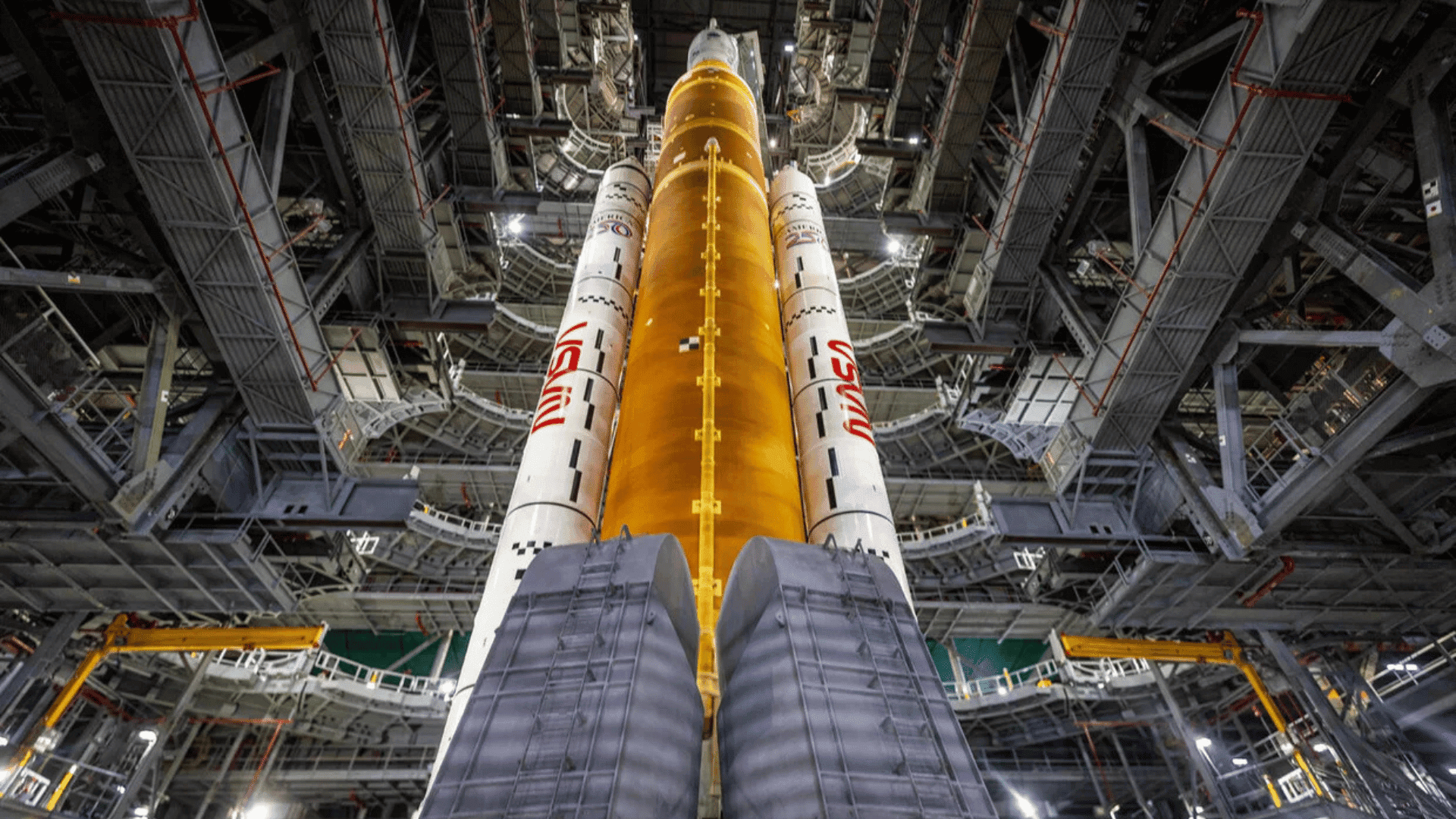
Current spacecraft are mostly made of aluminum. While that works for short trips, it doesn’t handle space radiation very well. When radiation hits aluminum, it creates dangerous secondary neutrons that put astronauts at risk. MIT doctoral student Palak Patel’s research focuses on finding a better way.
“You can’t safely travel to Mars with the current state-of-the-art materials,” Patel said.
Using Nanotubes as a Shield
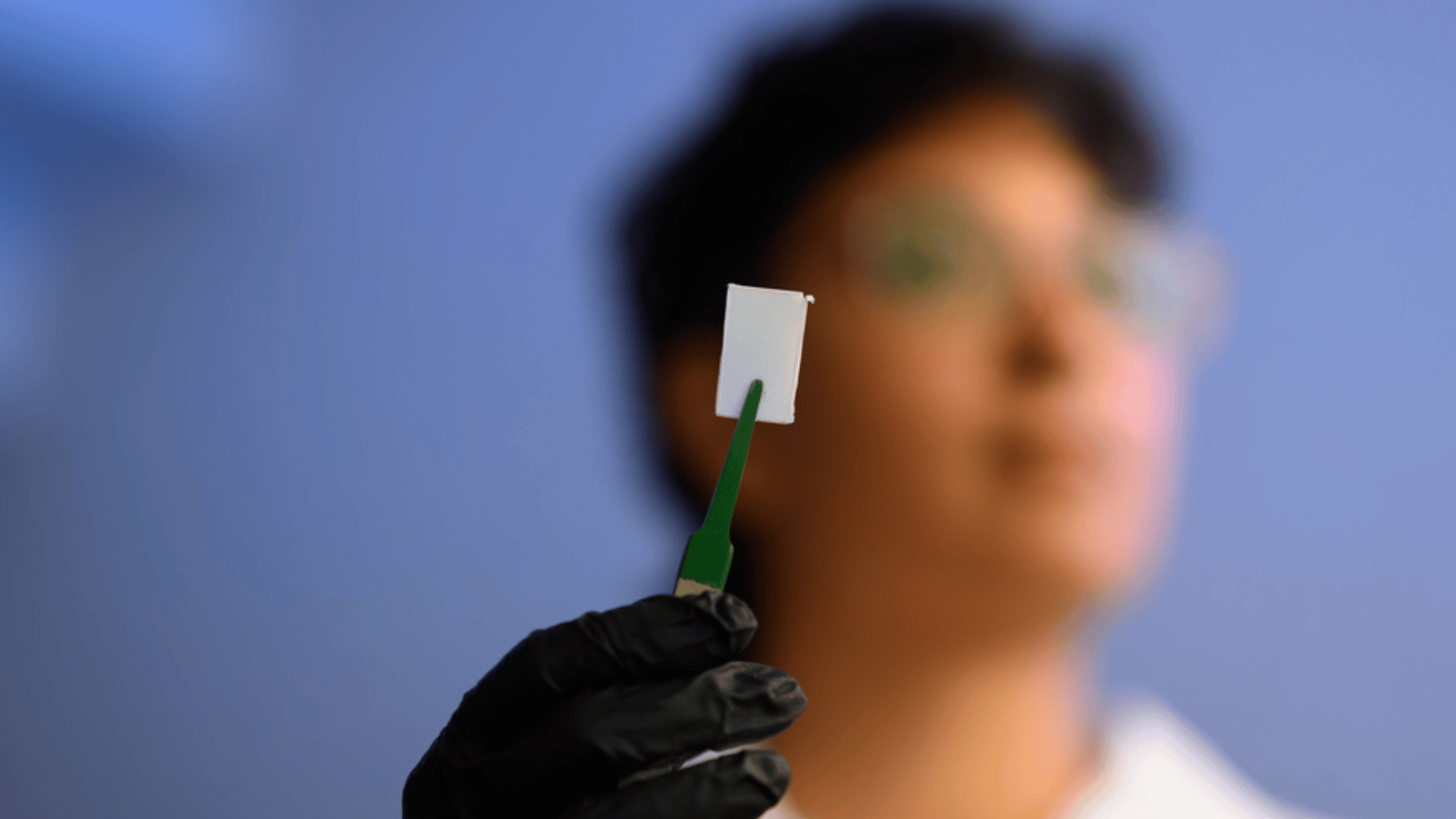
To fix this, Patel works with tiny, hollow structures called boron nitride nanotubes, which are incredibly strong. Their real “superpower,” however, is blocking radiation. By mixing these nanotubes into the materials used to build spacecraft, she can create a shield that is both lightweight and tough.
Before this, it was hard to get enough nanotubes into a composite material to make a real difference. Most versions only used about 5% to 10% nanotubes. However, Patel is using a process developed at MIT to push those levels up to 50%. This makes the material much more effective at stopping radiation.
Advertisement
This work requires a mix of high-level chemistry and heavy-duty engineering.
“When you think about manufacturing on a large scale, you’re like, I could just figure out how to cut this. But then, on a micro and nano scale, you can’t physically take a knife and cut anything,” she explained. “You have to think about chemical methods and atomic scale synthesis and processes.”
From the Lab to Space
In May 2025, she went on a microgravity flight to see if these materials could actually be manufactured in space. It worked, and her nanotubes have even made it to the International Space Station (ISS).
She also spent time as a “capsule communicator” for a 14-day simulated mission in Switzerland to understand the extreme environments astronauts face. Between these simulations and her NASA fellowship, she is bridging the gap between tiny molecules and giant rockets.
“My research fundamentally tries to figure out how to keep astronauts safe in space,” she added.