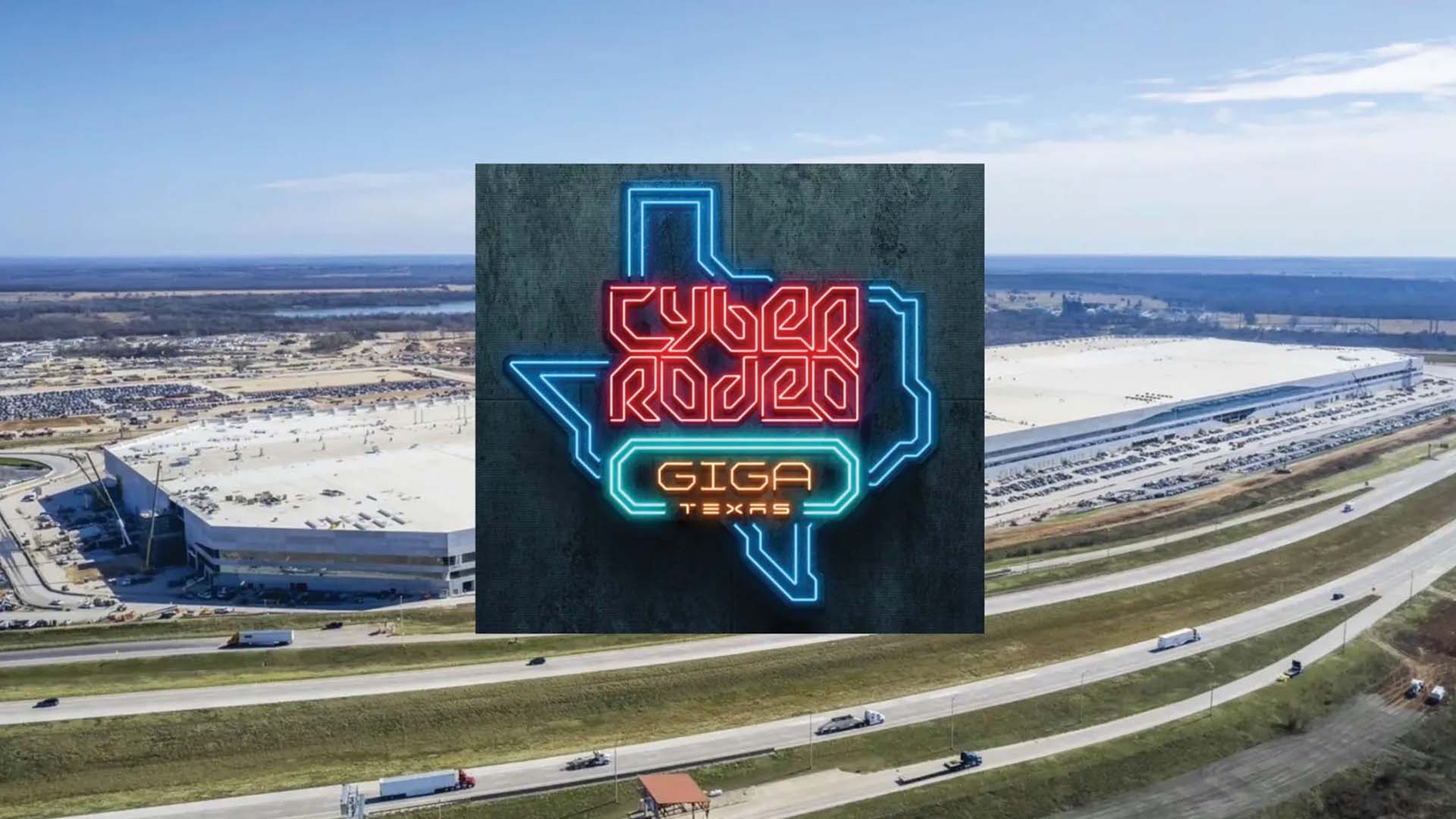
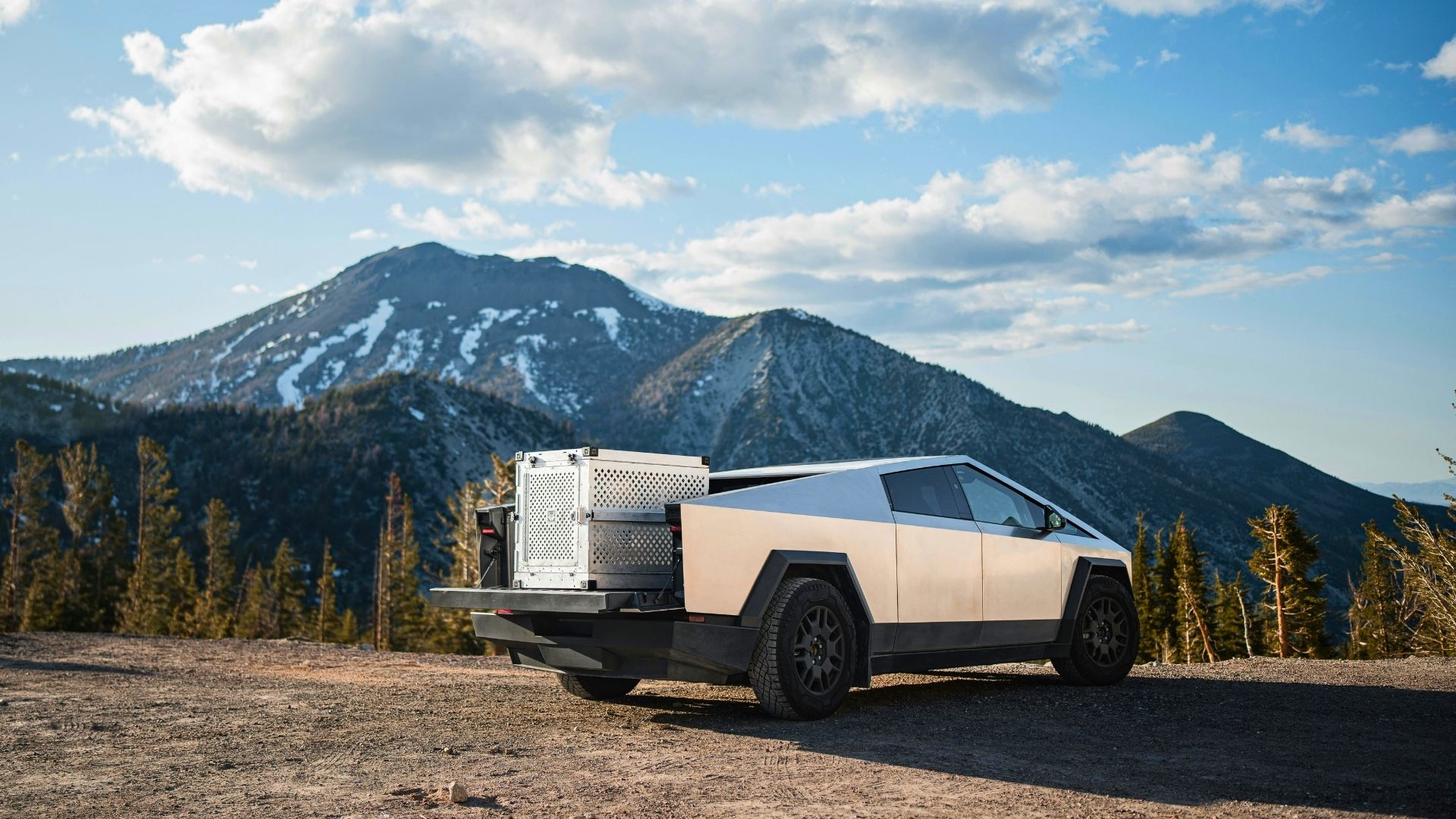
People often say electric cars are good for the planet, but their batteries come with a problem. The lithium they use has caused toxic waste and requires long shipping routes.
Tesla has opened a new lithium refinery near Corpus Christi, Texas taking a step no other major plant has tried. Rather than using harsh chemicals that make toxic sludge, this factory uses a new acid-free process to turn raw rocks into battery material. This means your next electric car could have a cleaner battery made in America. It also proves that we can develop the technology we need without damaging the environment.
Life Before
For years, lithium rocks called spodumene were mined in places like Australia and shipped thousands of miles to China. Refineries there roasted the rocks with strong sulfuric acid. This process extracted lithium but also produced a lot of sodium sulfate, a hazardous byproduct that is difficult to dispose of. This is how lithium was made before. The process worked, but it was not clean.
This created a significant bottleneck for the industry. While there was an ample supply of raw materials, there weren’t enough clean refineries to process them. Anyone interested in purchasing an electric car had to depend on this lengthy and complicated supply chain. Tesla’s new facility in Texas addresses this issue using an innovative approach. Instead of using acid to extract lithium from the ore, the process employs soda ash, an alkaline substance, which allows for the separation of lithium without generating toxic sludge.
Advertisement
The best part is that the waste from this factory is not really waste. The process leaves behind sand and limestone, which are clean materials that can be used to make concrete and build roads. Raw rocks go in, and both battery material and building supplies come out.
This large plant was built quickly. Construction began in 2023, and production started in early 2026.
The Future Outlook
This is more than a science experiment. The plant is built to run on a large scale and will make enough battery-grade lithium for about one million electric vehicles each year. This helps fix the bottleneck that slowed down the electric vehicle industry. It also brings manufacturing jobs back to the U.S. and cuts emissions from shipping heavy rocks worldwide. It proves that industry can be clean.
We are moving toward a world where what we build can help us do even more, like using refinery byproducts to pave roads. This approach helps reduce waste.