The Albuquerque International Balloon Fiesta is happening right now in New Mexico. Hundreds of massive, bright balloons are filling the sky. From the ground, the whole thing looks a little like magic. But getting a giant bag of air to carry people thousands of feet up comes down to basic physics and smart engineering.
Hot air balloons do not have engines, wings, or steering wheels. They rely entirely on temperature.

The Physics Of Hot Air
Hot air rises. That is the only reason these balloons work. The huge fabric bag is called the envelope, and it starts flat on the ground. A heavy-duty burner sits at the bottom, shooting a massive propane flame into the opening.
As the air inside the envelope heats up, it expands. It gets lighter and less dense than the cool air outside. Once that air gets hot enough, it naturally wants to float above the colder air around it. That upward pull gets strong enough to lift the fabric, the basket, and the people inside right off the grass. To steer, pilots just change altitudes to catch different wind currents.
Materials That Handle The Heat
You cannot use just any cloth to trap all that heat. The envelope is usually made from lightweight nylon or polyester. But the real trick is the coating. The top section gets covered in a thin layer of silicone or polyurethane. This seals the fabric so the hot air cannot leak out through tiny holes in the thread.

The balloon is also not one single piece of cloth. Workers sew long vertical panels together using double seams and heavy-duty load tapes. These tapes run all the way down the sides. They take the basket’s actual weight and keep the thin fabric from ripping apart under heavy pressure.
Why They Still Use Wicker
Look at the basket, and you might wonder why pilots still use woven wicker instead of modern metal or plastic. It looks pretty old school. But wicker is actually the perfect material for the job.
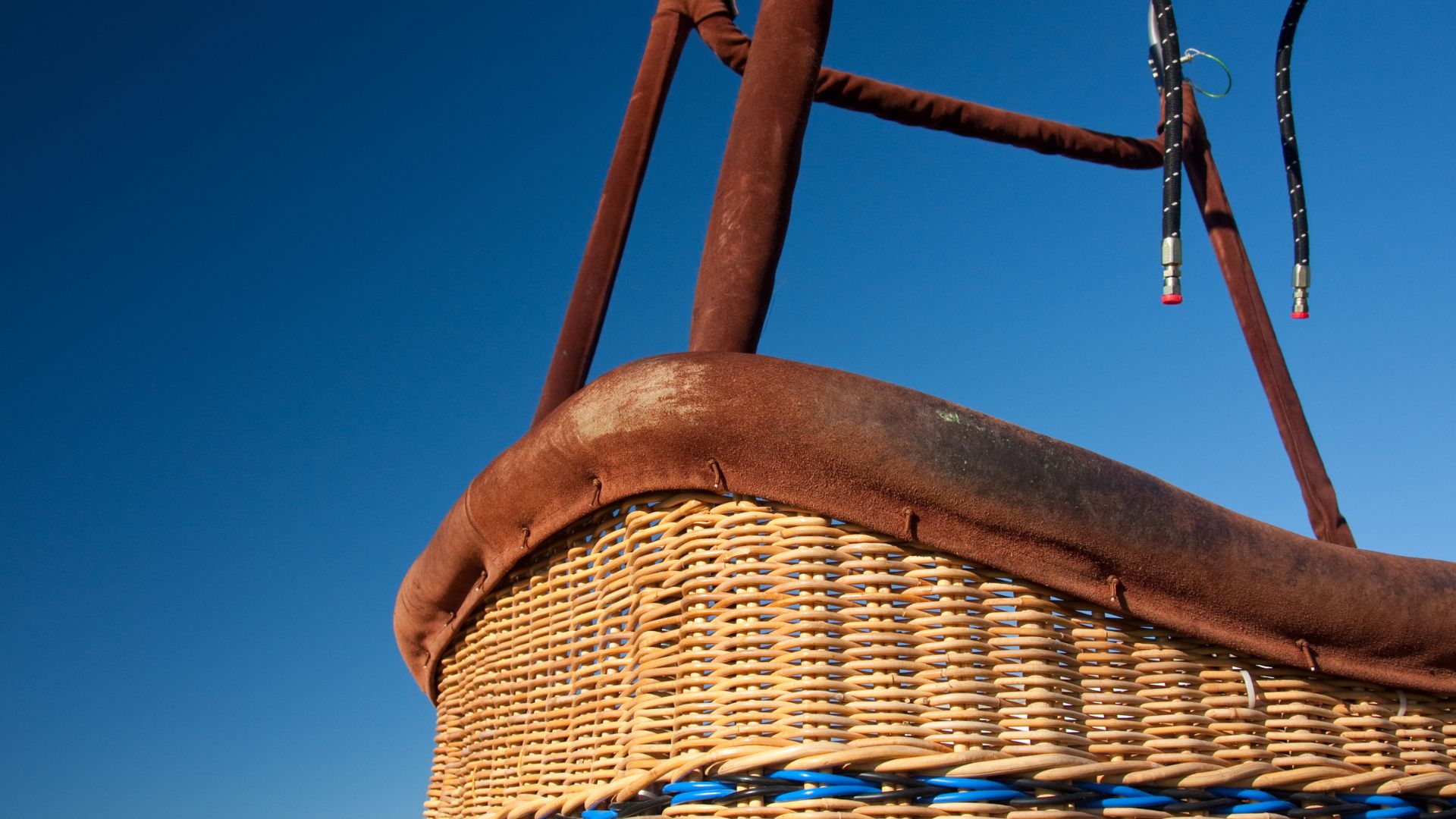
When a balloon comes back down to the ground, it does not have landing gear. It just bumps into the dirt. Wicker is incredibly strong, but it also bends. When the basket hits the ground, the woven branches flex and absorb the shock. A stiff metal box would just rattle your bones and eventually crack under the repeated stress. It is a very old technology, but it still works perfectly today.
 Read Exclusive Stories
 Bookmark & Save Articles For Later