While Spacecrafts are tough, space’s conditions are even tougher. Tiny cracks in carbon fiber structures can turn into big problems over time, making repairs expensive or even impossible once a ship leaves the ground. Now, a new project called Cassandra is trying to fix that by teaching spacecraft how to heal themselves.
The project is a team effort between the European Space Agency (ESA) and a group of tech companies, including CompPair, CSEM, and Com&Sens. They’ve developed a material that senses any damage and seals the cracks.
How a Spacecraft “Heals” Itself
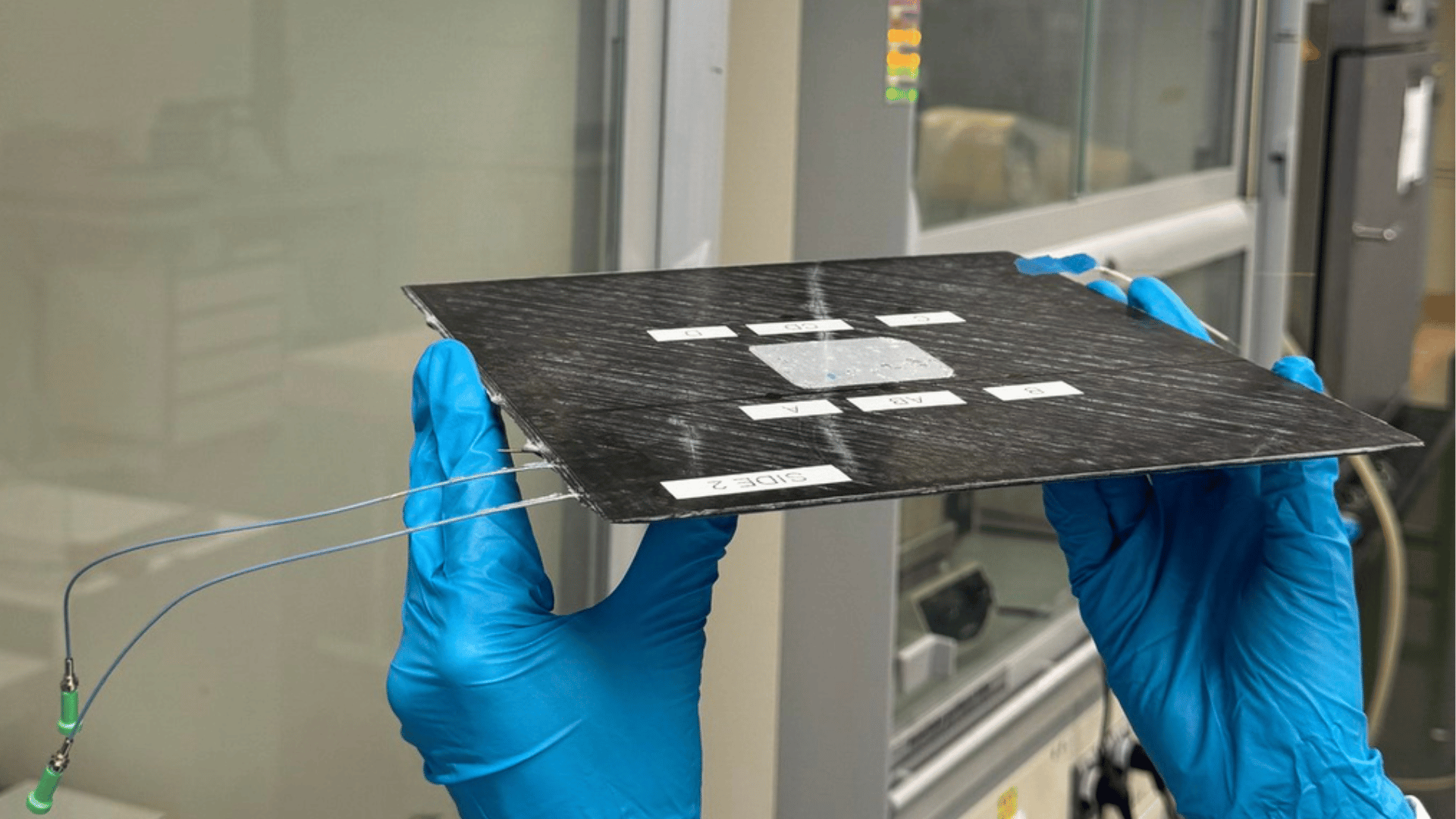
Most modern spacecraft use composite materials like carbon fiber because they are strong and light. However, these materials can be sensitive to the stress of repeated trips to space. To solve this, the team used a material called “HealTech.”
Inside the composite, they’ve tucked away a special healing agent and a network of fiber-optic sensors. When these sensors “feel” a crack, a 3D-printed aluminum grid heats the area to between 100°C and 140°C. That heat makes the healing agent flow into the damage, repairing it on the spot.
The team has already tested small samples to see how they handle the freezing conditions of fuel tanks. Early tests show that the material is working. The next big step is to build a full-sized cryogenic fuel tank using this technology to see if it can handle the real deal.
Advertisement
Future Space Missions
If the industry wants to make space travel cheaper and more sustainable, aerospace engineers need parts that last longer. Being able to fix a ship without a human technician could be a game-changer for reusable rockets.
“Implementing this technology into our systems could have enormous benefits for space transportation,” said ESA’s Bernard Decotignie. “It will help develop reusable space infrastructure and reduce mission costs. This really proves what European innovation can do for the space sector.”
“I’m excited by the autonomy and durability benefits we can bring for the future spacecrafts and launchers, closing the gap between science-fiction and reality!” CompPair’s CTO, Robin Trigueira, emphasized. “This project is a major step for CompPair in the space sector, HealTech is unlocking unprecedented technological advancement for composite material health monitoring and management, clearly highlighting the possibilities brought by healable composites for reusable space structure costs efficiency.”
Head of R&D Cecilia Scazzoli added that the material shows “high resistance to micro-cracking,” which is exactly what you want when building something as complex as a propellant tank.
By making parts lighter and easier to maintain, the team is hoping to make the next generation of spacecraft much more reliable.