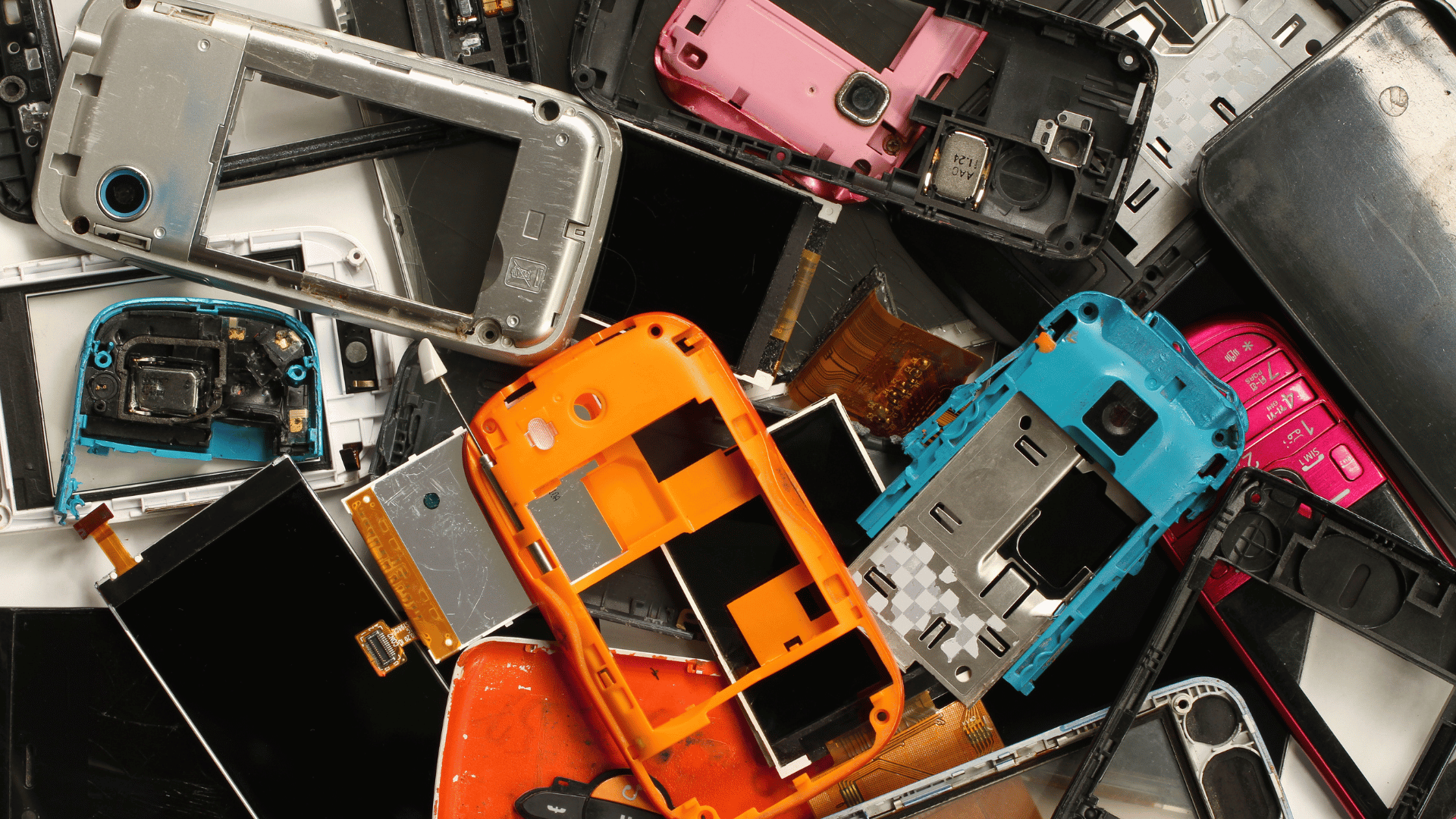
Discarded phones and a byproduct of paper mills could help researchers unlock greener battery technology. Researchers have found a way to take discarded mobile phone batteries and industrial lignin, a natural waste product from the paper and biofuel industries, and turn them into high-performance parts for sodium-ion batteries.
Electronic waste is a major problem that the whole globe faces. When we toss old phones, the batteries often end up in landfills, where they can leak chemicals, while the paper industry produces tons of lignin that is usually burned or thrown away. A new study shows we can stop treating these things like trash and start using them as resources.
Turning Waste Into Advanced Batteries
The scientists used a process called hydrothermal synthesis to pull nickel and cobalt out of the old batteries. They combined those metals with carbon made from lignin, resulting in a composite material that works as an anode.
The material held a lot of power and stayed strong even after being charged and drained many times. It even handled fast charging without breaking down. The carbon from lignin acts like a protective shell, helping the battery stay stable while the metals from the old phones do the heavy lifting.
Advertisement
“Sodium-ion batteries are attractive because sodium is abundant, low cost, and environmentally friendly,” the researchers explained. “However, the development of efficient electrode materials remains a major challenge. Our work shows that waste resources can provide a solution.”
A Smarter Way to Recycle
The team of researchers ultimately wants to make new technology more affordable. Sodium-ion batteries are already a great alternative to lithium-ion batteries in our cars and smart devices because sodium is much easier to find than lithium. Using waste to build them could drop costs even further.
The team believes this is a step toward a “circular economy” where nothing really goes to waste.
“We wanted to move beyond traditional recycling and demonstrate true high-value reuse of waste,” the authors explained. “By converting discarded batteries and industrial lignin into advanced energy materials, we can reduce costs, conserve resources, and support cleaner technologies.”