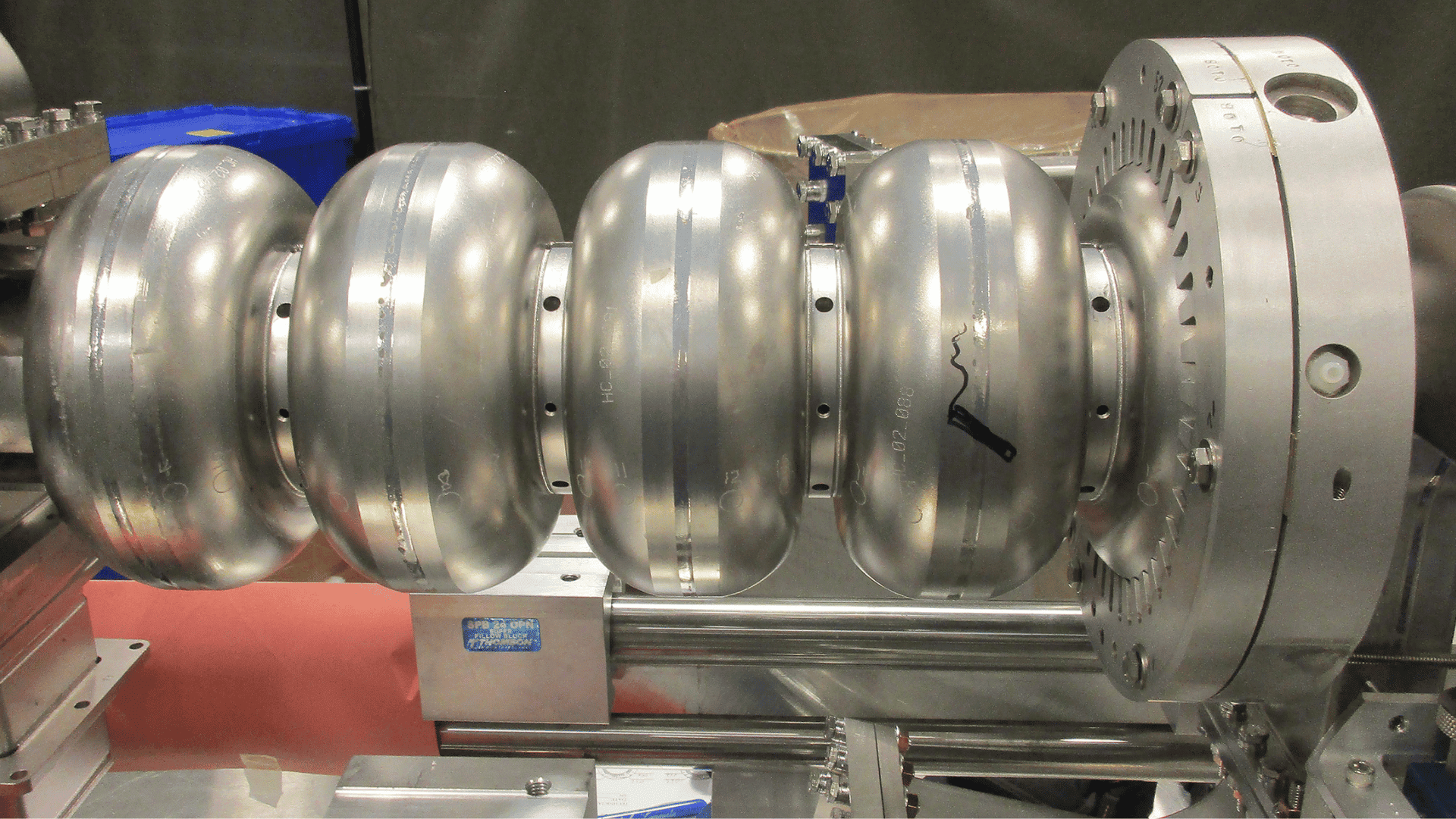
It isn’t every day you see a rocket engine being tested at a commercial airport, but that’s exactly what just happened at Castellón Airport. A Spanish company called Arkadia Space just finished a massive test campaign for its new thruster, ARIEL.
And the results are worth talking about.
A More Sustainable Hydrogen Propulsion System

Most rockets and satellites use two types of engines. There’s the big one for moving long distances, and then there are smaller ones used for “attitude control.” These smaller engines are what keep a spacecraft pointed in the right direction.
Historically, these systems use a fuel called hydrazine. It works well, but it’s toxic and a pain to handle on the ground. ARIEL changes the math by using 98% pure hydrogen peroxide instead. It’s cleaner, cheaper, and can cut atmospheric emissions by about 40% compared to the old fuel.
Advertisement
During the tests, the ARIEL engine really went through the wringer. It fired in short bursts lasting only 40 milliseconds and also proved it could handle a steady five-minute burn. By the time the team was done, the engine had pulsed over 2,000 times.
With 250 Newtons of thrust, this little engine packs a punch. To put that in perspective, it’s enough power to hold a 25 kg bag of cement in the air here on Earth. That is more than enough power to steer a massive rocket in the vacuum of space.
The European Space Agency (ESA) is clearly happy with the speed of the project. It only took seven months to go from signing the contract to the first test fire.
“Arkadia showed a quick turnaround, and the results speak for themselves,” said ESA’s Bernard Decotignie. “It was a great collaboration… to achieve a robust, innovative product and in record time.”
Ismael Gutierrez, the CTO of Arkadia Space, says the engine is already getting attention from the industry. “We are excited to have won the contract to supply ARIEL as the thruster for the reaction control system of MaiaSpace,” Gutierrez said. He noted that the support from ESA was “instrumental” in getting the product ready for the market so quickly.