Researchers at Oak Ridge National Laboratory (ORNL) are looking at old coal mines as an opportunity. Instead of leaving these abandoned sites empty, scientists want to turn them into massive underground reservoirs for clean energy. By using advanced modeling and chemical testing, the team is figuring out if these deep pits can be used to store power for the electrical grid.
Traditional hydropower usually needs big mountains to work, but by using the existing depth of a mine, engineers could build these systems in places that aren’t naturally “hilly”. This would make the grid more secure and cut down on the massive costs of building new infrastructure from scratch.
How a “Water Battery” Works
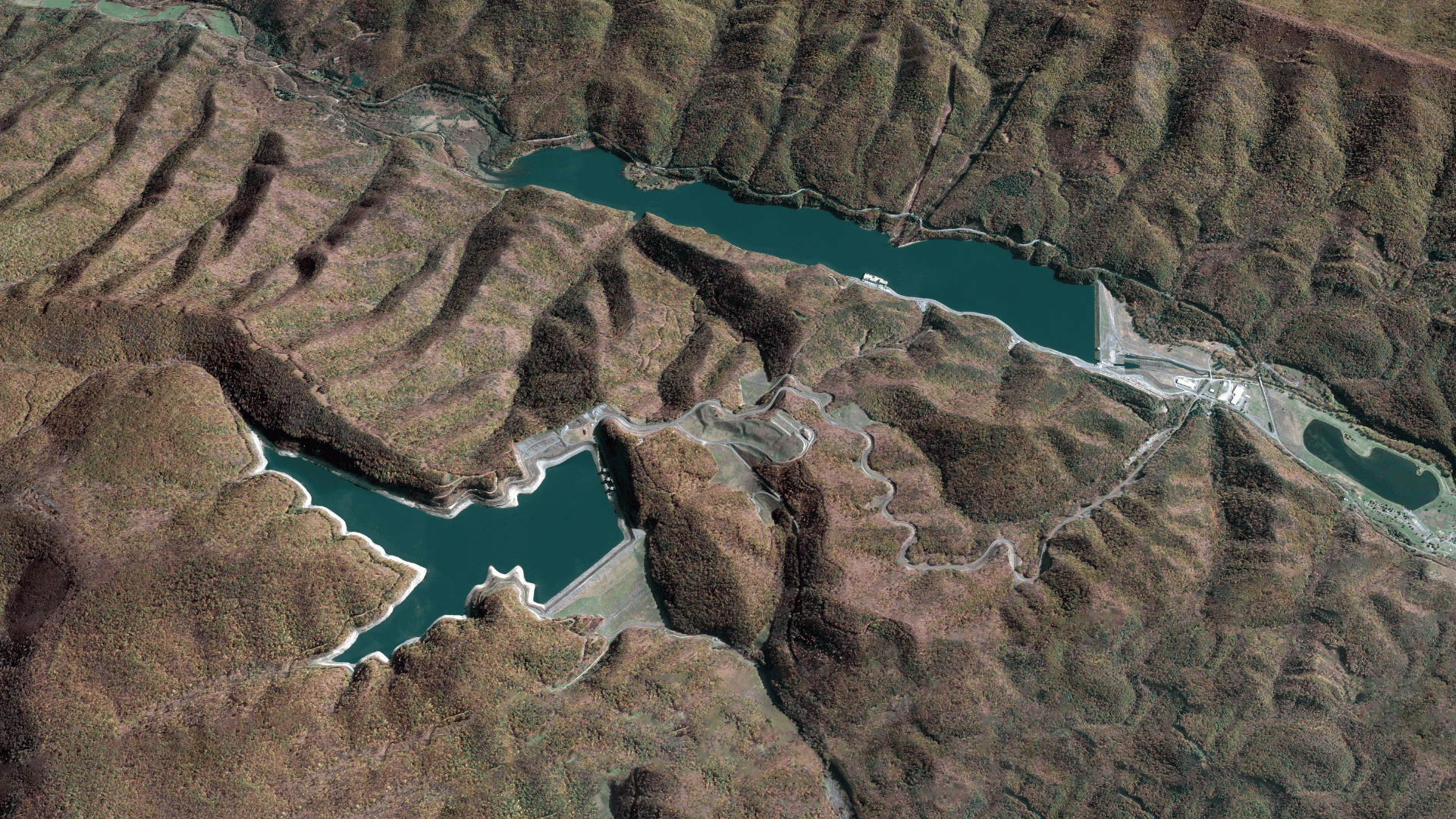
If you are wondering how an old coal mine in the ground stores electricity, think of it as a giant, rechargeable water battery. This system, known as Pumped Storage Hydropower (PSH), uses two reservoirs at different heights.
Advertisement
When the sun is shining or the wind is blowing hard, the grid often has more power than it needs. PSH uses that extra juice to pump water from a lower pool up to a higher one. During times like later in the evening, when everyone turns on their stoves, and the Sun goes down, the water is released. It flows back down through turbines, generating electricity right when we need it most.
The scale of these projects can be huge. For example, the Bath County station in the U.S. can power 750,000 homes for 11 hours. Some systems are even being built to provide over 20 hours of backup. Because the water can be reused over and over, it is a very efficient way to balance out the unpredictable nature of wind and solar power.
From Coal Mine to Energy Storage
Putting the idea into an old coal mine is complicated. Researchers have to make sure the water won’t eat away at the rocks or cause the old mine shafts to collapse.
“Underground PSH is an exciting opportunity, but we have to overcome challenges like chemical erosion and structural stability,” said ORNL Senior Researcher Thien Nguyen. “Our modeling tools will help industry partners evaluate these risks and make informed decisions about facility design, construction and operations at specific locations of interest.”