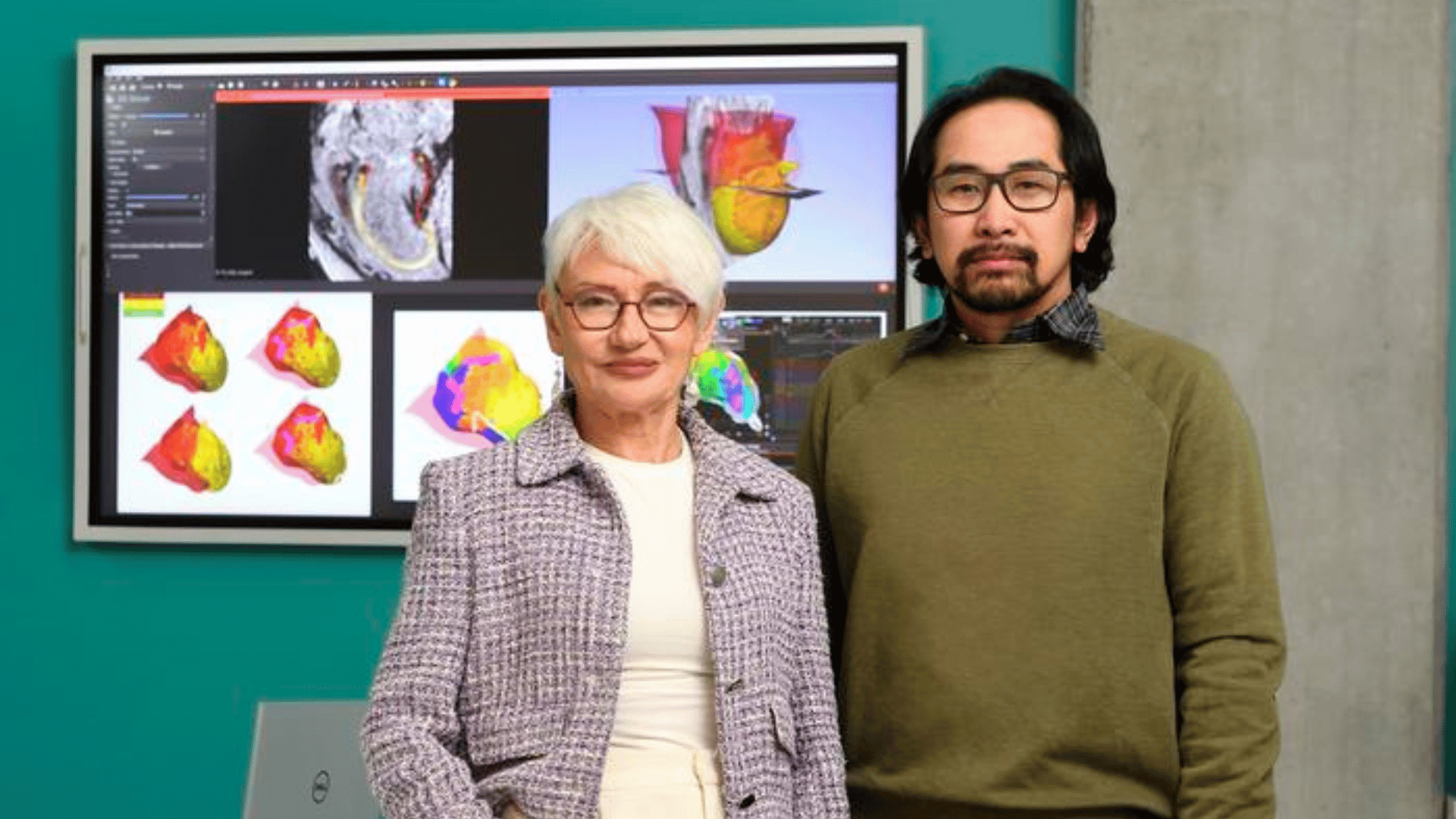
Researchers at the University of Bath have found a new way to recycle acrylic that could change how we deal with one of the world’s most common plastics. You probably know acrylic by one of its brand names: Plexiglas. It’s almost everywhere, from car parts and phone screens to construction materials.
Right now, we use about 3 million tons of it every year. However, the problem is recycling it.
Why Old Recycling Methods Don’t Work
Usually, plastic is recycled mechanically, which means shredding or melting it down. However, every time you do that to acrylic, the quality drops. It gets discolored and loses that glass-like clarity, so you can’t really use it for things like spectacles or high-end screens anymore.
Another option is pyrolysis, which heats the plastic to around 400°C to break it back down into its original building blocks. But that uses a massive amount of energy and gets messed up easily if other types of plastic get mixed in.
“With current methods for recycling both energy intensive and inefficient, the demand for cleaner, more efficient recycling technologies has never been greater,” Dr. Jon Husband, a research fellow at the University’s Institute of Sustainability and Climate Change, explained. “Plastic recycling can be tough to make economically feasible, due to issues around high energy costs and low-quality product; this work directly addresses both of these issues.”
Advertisement
“Unzipping” the Plastic
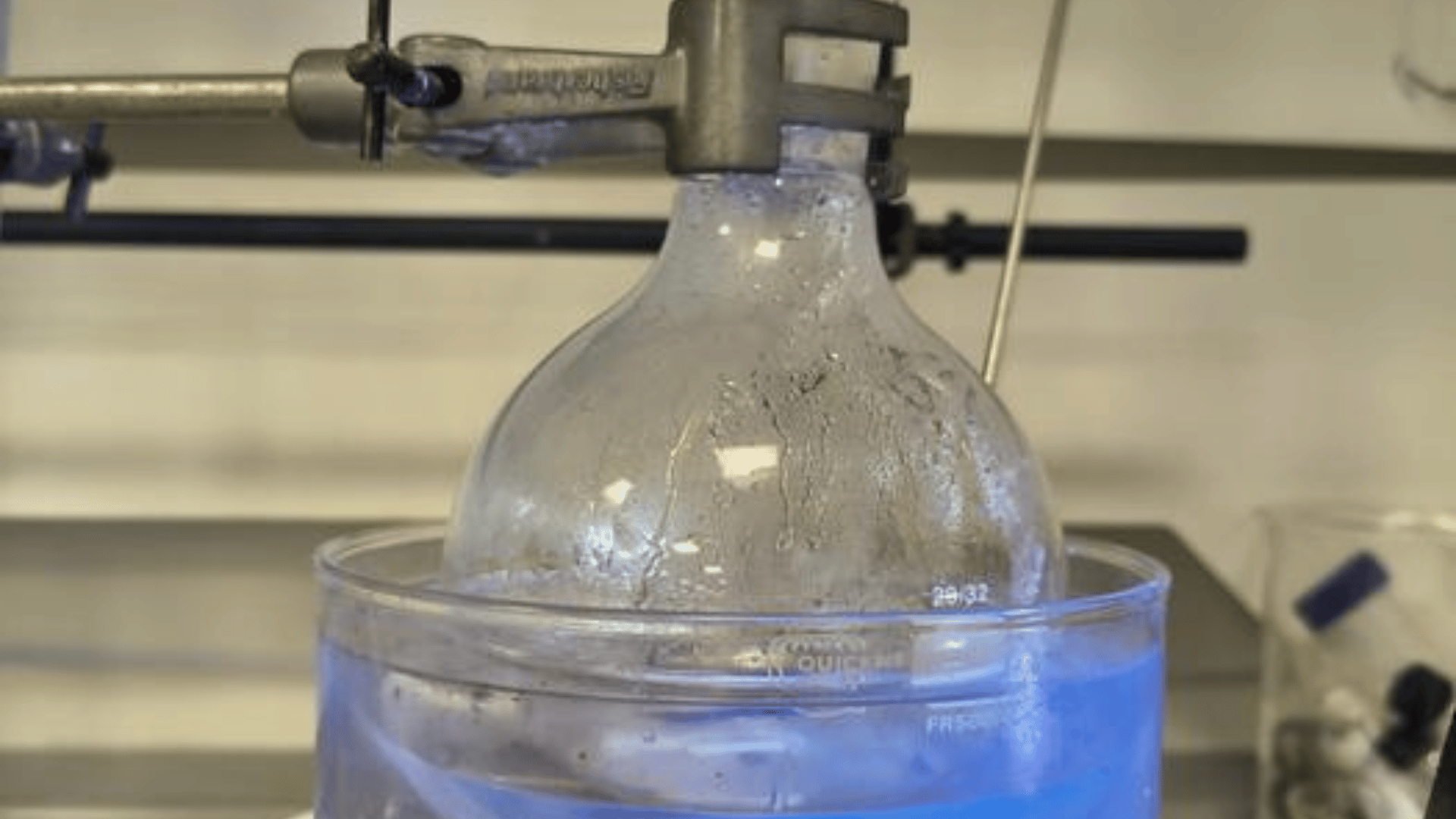
The team at Bath found a way to “unzip” the plastic using UV light. By using specific sustainable solvents and keeping oxygen out, they can break the acrylic down at temperatures between 120°C and 180°C. That is much cooler than the old methods, which makes it cheaper and better for the planet.
This process turns more than 95% of the plastic into a high-quality material that can be used to make brand-new acrylic.
“Developing new chemical recycling approaches matters because it turns waste back into pristine new materials, rather than a lower‑grade, low-value material destined for eventual disposal,” said Dr. Simon Freakley. “This method allows us to recover high-quality monomers from used PMMA, offering a clear pathway toward genuine circularity in acrylic materials.”
For now, the researchers are working with a few grams of plastic at a time, but they are already looking for ways to scale the process up for industrial use.