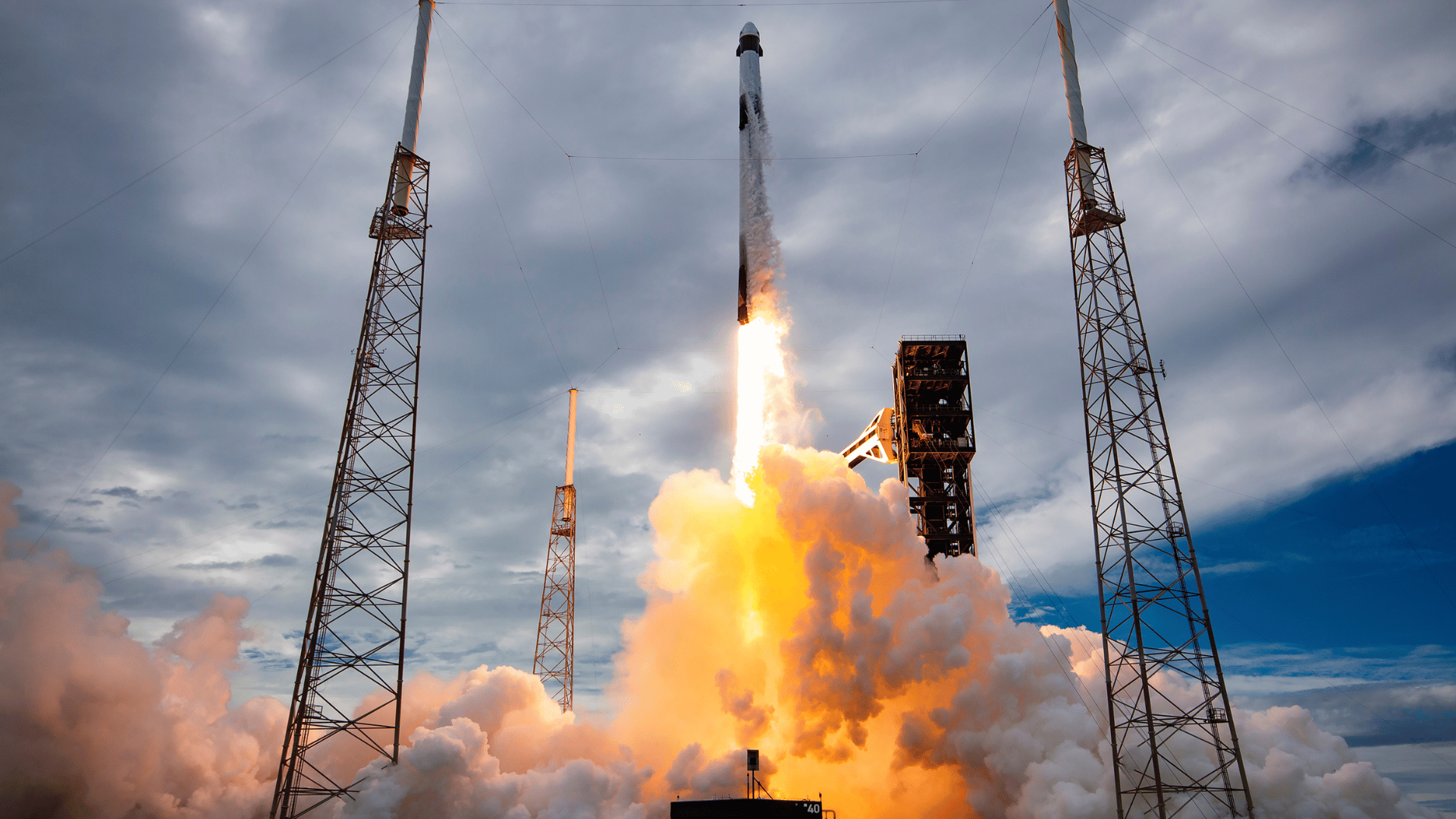
NASA’s SpaceX Crew-13 is finally in orbit. After a two-week delay, the crew launched from Florida’s Cape Canaveral on October 1. The trip to the International Space Station took only 7 hours and 55 minutes, marking the fastest Crew Dragon flight ever. It’s also the fastest American flight to the ISS.
“It was an incredible launch,” NASA Administrator Jared Isaacman said during a post-launch press conference. “This is an absolutely great start to Crew 13. We will be watching very closely, cheering them on throughout their great expedition.”
The fresh arrivals bring the space station’s population to 11.
The New Crew on the ISS
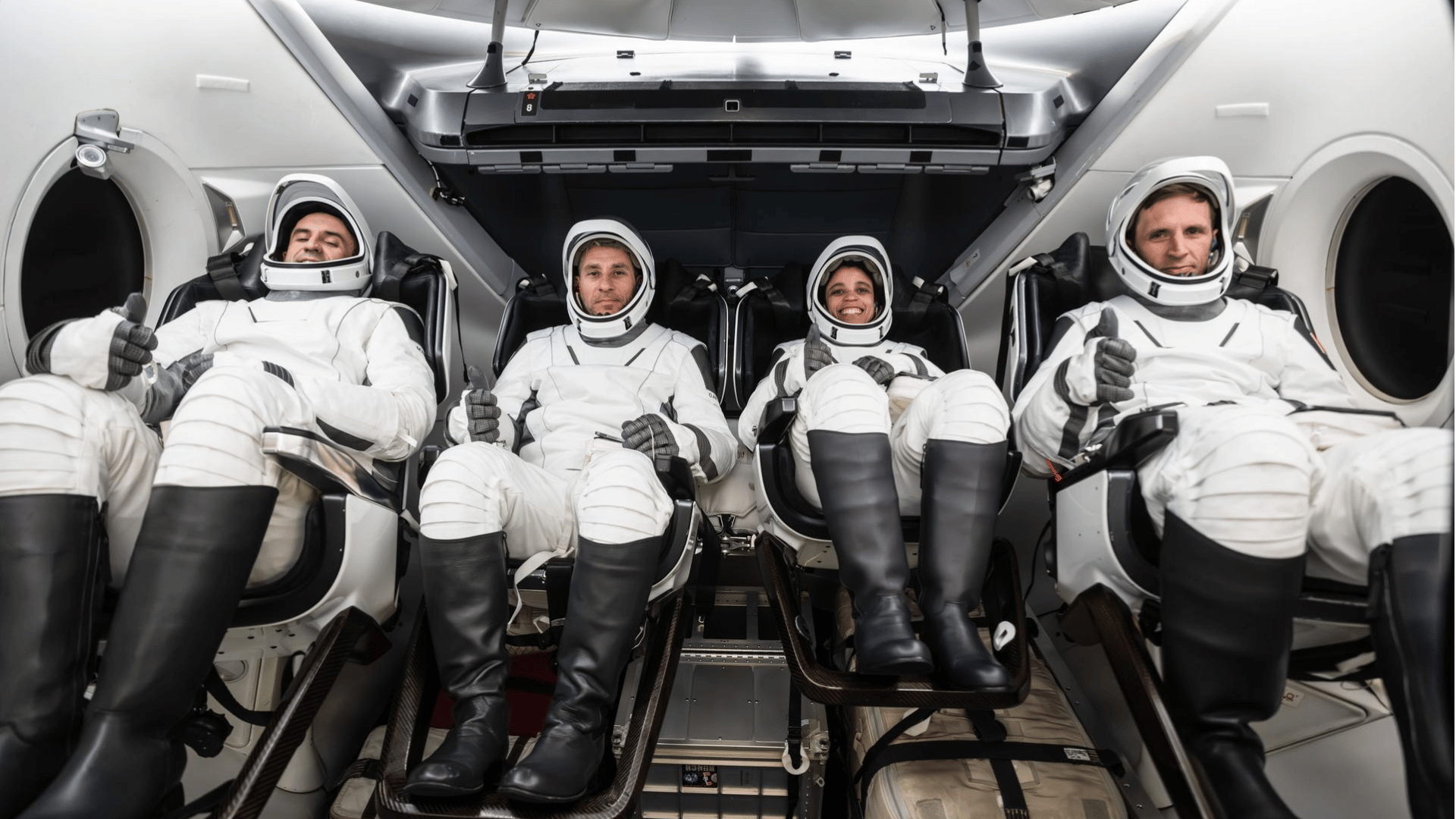
The four-person team includes two NASA astronauts, a Canadian space agency astronaut, and a Russian cosmonaut. They make up the new Expedition 75 crew.
NASA astronaut Jessica Watkins is the spacecraft commander. This is her second trip to space. She spent 170 days on the station back in 2022. Watkins is a geologist who previously studied the surface of Mars. She is now the first NASA astronaut to launch on a SpaceX Dragon twice.
Advertisement
Luke Delaney is the pilot on his first spaceflight. Delaney is no stranger to flying, though. Before NASA, he was a naval and test pilot who also flew research missions for NASA in Virginia.
The two are joined by two mission specialists on their first trips to space. Joshua Kutryk is a former fighter pilot and test pilot from Canada. Sergey Teteryatnikov is a Russian naval engineer who specialized in submarines before becoming a cosmonaut.
Work for Future Missions
Right now, the crew is getting used to weightlessness and learning the station’s systems. On Saturday, they unpacked the spacecraft, moved safety gear, and went over emergency roles.
On Sunday, the outgoing Crew-12 team officially handed over their duties. During a morning ceremony, NASA astronaut Jessica Meir passed command of the space station to cosmonaut Pyotr Dubrov.
NASA bumped this launch up from November to keep crew rotations moving smoothly. While they are in orbit, Crew-13 will run science experiments and test new technology. The work helps prepare for future missions to the Moon and Mars.
 Read Exclusive Stories
 Bookmark & Save Articles For Later