NASA announced plans to move the Artemis II moon rocket to its seaside launch pad next week in preparation for a planned moon launch on April 1.
Lunar Launch Date Announced
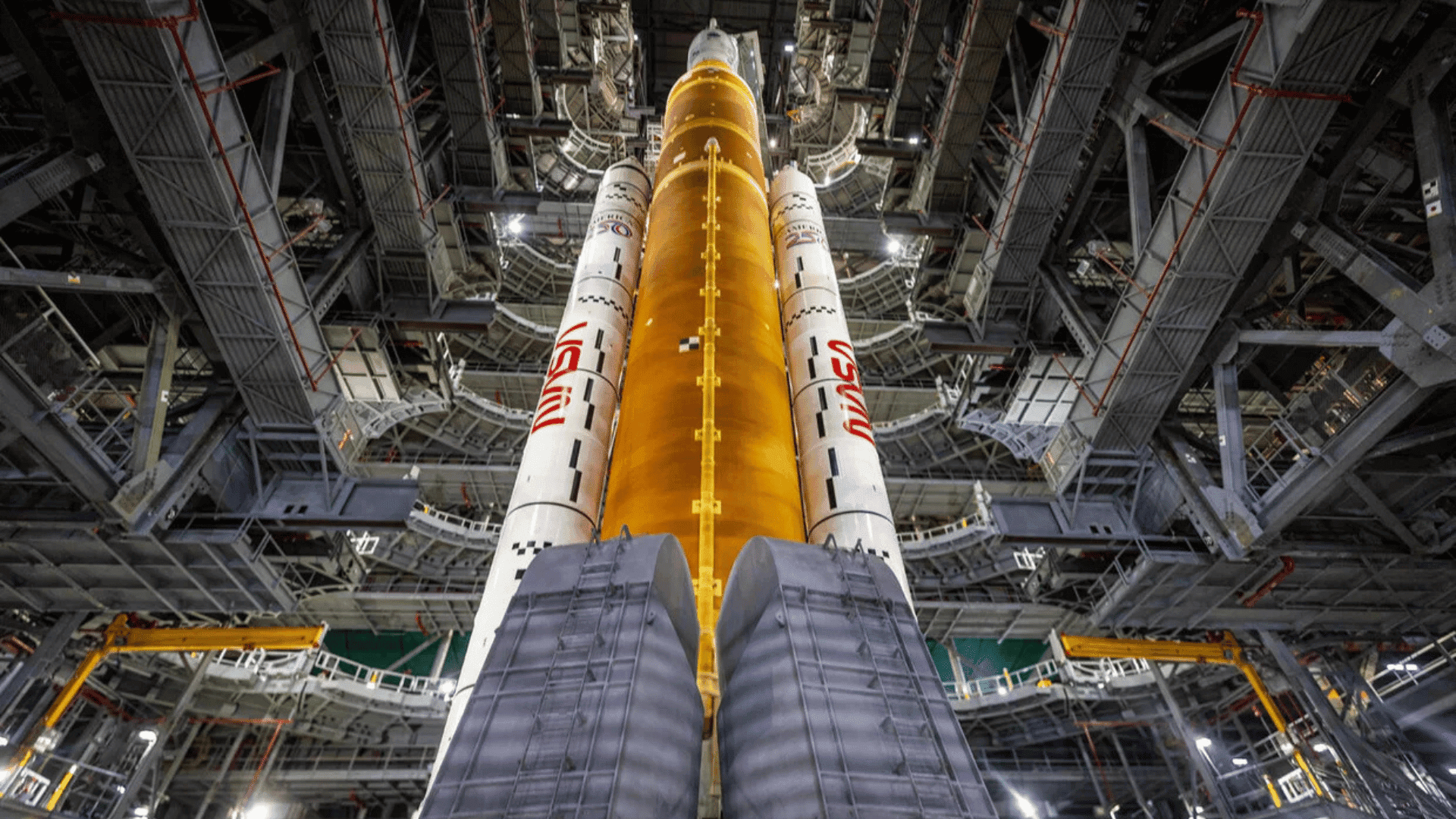
According to the agency, the flight will send four astronauts on a nine-day trip around the moon. The flight must take place by April 6, or it will need to be delayed approximately another month due to the changing positions of the moon and Earth.
After a two-day flight readiness review, “all the teams polled ‘go’ to launch and fly Artemis II around the moon, pending completion of some of the work before we roll out to the launch pad,” said Lori Glaze, associate administrator of Exploration Systems Development at NASA Headquarters.
“Just a reminder to everybody, we talk about it every time we talk about this flight, it’s a test flight, and it is not without risk. But our team and our hardware are ready,” Glaze said.
Advertisement
The liftoff is expected to take place at 6:24 PM EDT on April 1, before landing in the Pacific Ocean nine days later. The launch had previously been planned for early February, before it was delayed due to hydrogen fuel leaks and problems with the rocket’s upper stage propellant pressurization system.
Like Artemis I, the Artemis II Orion crew ship will not go into orbit around the moon. The spacecraft will follow a “free return” flight path that will move around the far side of the moon, using lunar gravity to bend its trajectory back toward Earth.
Assuming an on-time launch on April 1, the crew will fly within about 4,100 miles of the moon’s surface at closest approach. This will place the ship around 252,800 miles from Earth, which is the furthest humans have traveled before.
That flight will be followed by an additional mission next year, Artemis III, in which astronauts aboard an Orion capsule in low-Earth orbit will dock with one or both moon landers being built by SpaceX and Blue Origin. This mission allows NASA to test the spacecraft and procedures in space before attempting a lunar landing.
Provided those flights are successful, the agency hopes to launch one or two lunar landing flights in 2028. NASA then plans to launch one moon landing flight per year to develop the practices and infrastructure needed for eventual flights to Mars.