Small modular nuclear reactors (SMRs) are poised to be the future of nuclear energy. For one, they are a fraction of the size of power plants and can provide power in the most remote areas. However, companies have struggled to get such infrastructure across the finish line.
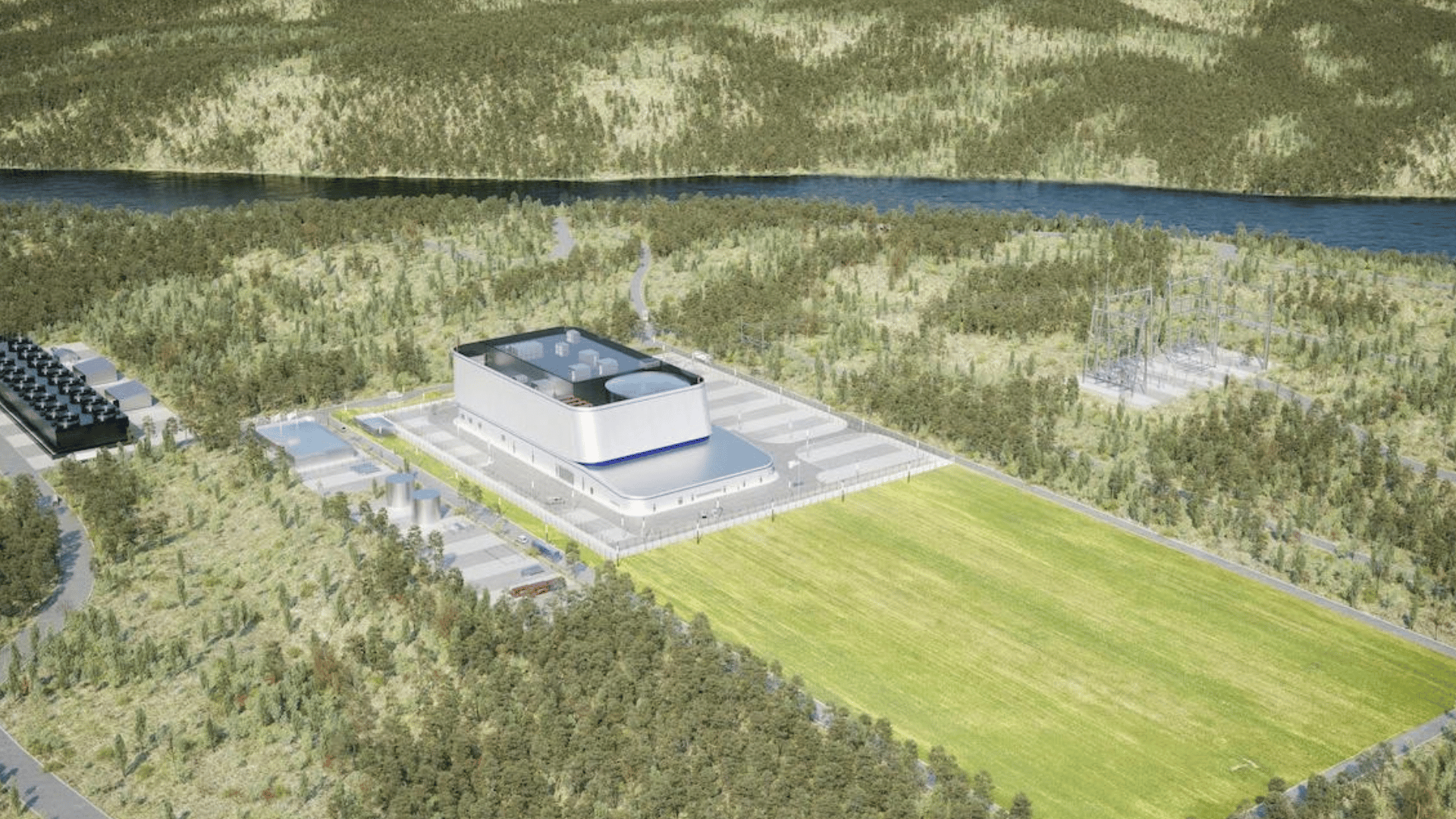
The United States is making a hard push to develop SMRs. Recently, the U.S. Nuclear Regulatory Commission delivered a construction permit to the Tennessee Valley Authority (TVA) to build a BWRX-300 SMR in Oak Ridge, Tennessee.
This is the first permit of its kind issued in the country, marking a milestone for everyone involved.
“This is a milestone for TVA and GE Vernova Hitachi Nuclear Energy, and an important moment for new nuclear in the United States,” said Eric Gray, CEO of GE Vernova Power Segment. “TVA has shown strong leadership in advancing new nuclear, a commitment bolstered by the collaborative efforts of the NRC and Department of Energy. Together, and in alignment with federal Executive Orders aimed at accelerating advanced reactors, we are grateful for this collaboration as we work to support the deployment of the first BWRX-300 in the country.”
Future SMR Projects
Advertisement
The NRC didn’t just hand out a permit. No… the agency reviewed TVA’s application for the Clinch River project for over a year. The project builds on an early site permit TVA already had and sits near the Department of Energy’s Oak Ridge National Laboratory.
Similar moves are being made across North America. For example, in Canada, Ontario Power Generation got approval to build its own BWRX-300 in April 2025. The company is already building it and asked for an operating license in March 2026. In Texas, Blue Energy submitted the first part of its construction application this September.
An Easier Power Supply
These smaller plants make it easier to add nuclear power to the grid. The BWRX-300 delivers 300 megawatts of power, using a simplified design based on decades of boiling water reactor experience to reduce construction headaches.
“Fleet deployment is essential to scaling nuclear energy in the United States,” said Jason Cooper, CEO of GE Vernova Hitachi Nuclear Energy. “A standard design, combined with a predictable and efficient regulatory environment, allows us to apply common technology, licensing experience, supply chain capabilities, and lessons learned from one project to the next. Clinch River brings us another step closer to making that fleet model a reality.”
 Read Exclusive Stories
 Bookmark & Save Articles For Later