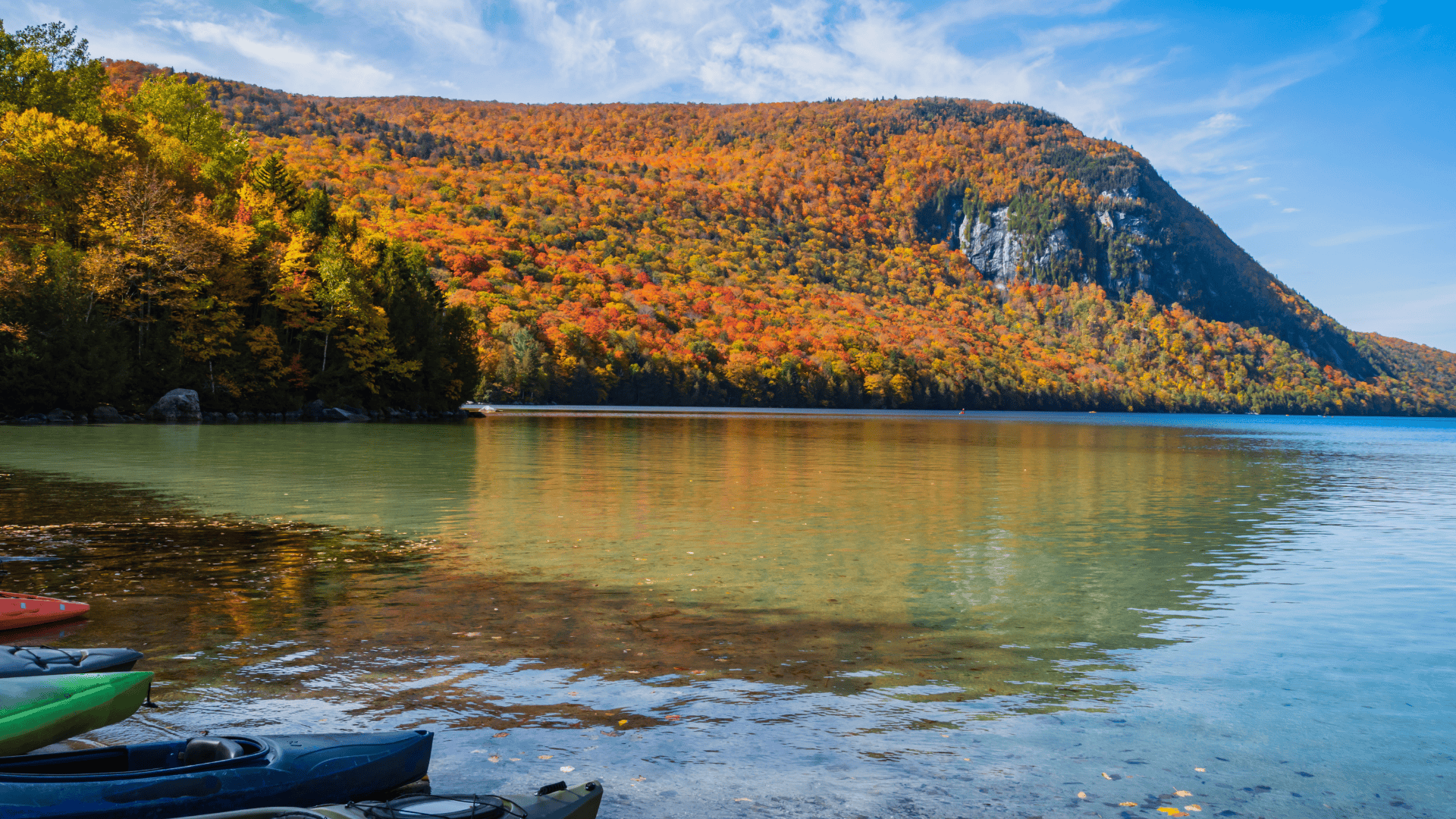
Drive deep into the northern corner of Vermont, and the rolling green hills suddenly crack open. You hit a long, narrow stretch of deep blue water sitting right between two massive mountains. This is Lake Willoughby. It looks like a piece of Norway dropped right into New England. The water is freezing, the cliffs are steep, and the whole thing was carved by ancient ice that tore the landscape apart.
Carved By Massive Ice
To understand how this deep cut formed, you have to rewind about 12,000 years. Back then, a massive sheet of glacial ice covered this entire area. The ice was over a mile thick. As the Earth slowly warmed, that heavy glacier began to move. It acted like a giant, frozen bulldozer.
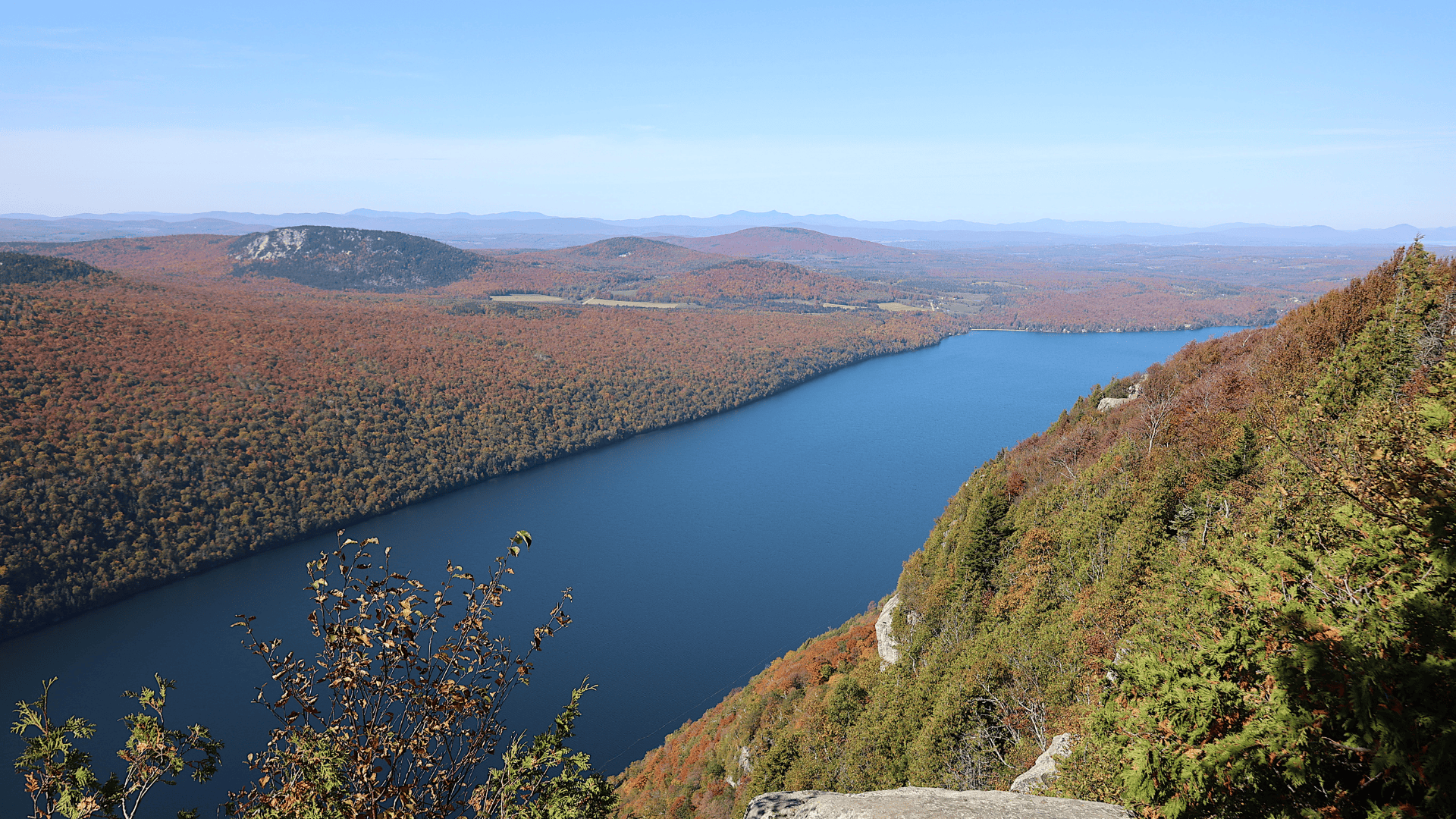
The ice wedged itself right between two peaks, Mount Pisgah and Mount Hor. As it pushed through, it scraped away all the softer dirt and rock. It essentially sheared off the sides of the mountains, leaving a huge, U-shaped trench behind. When the ice finally melted, all that water stayed in the trench.
A Fjord Without An Ocean
People constantly call Lake Willoughby a fjord because of the steep cliffs. The rock walls on both sides drop almost straight down into the water. But geologists will point out a technicality. True fjords are carved by glaciers that meet the sea, so they are filled with saltwater.
Advertisement
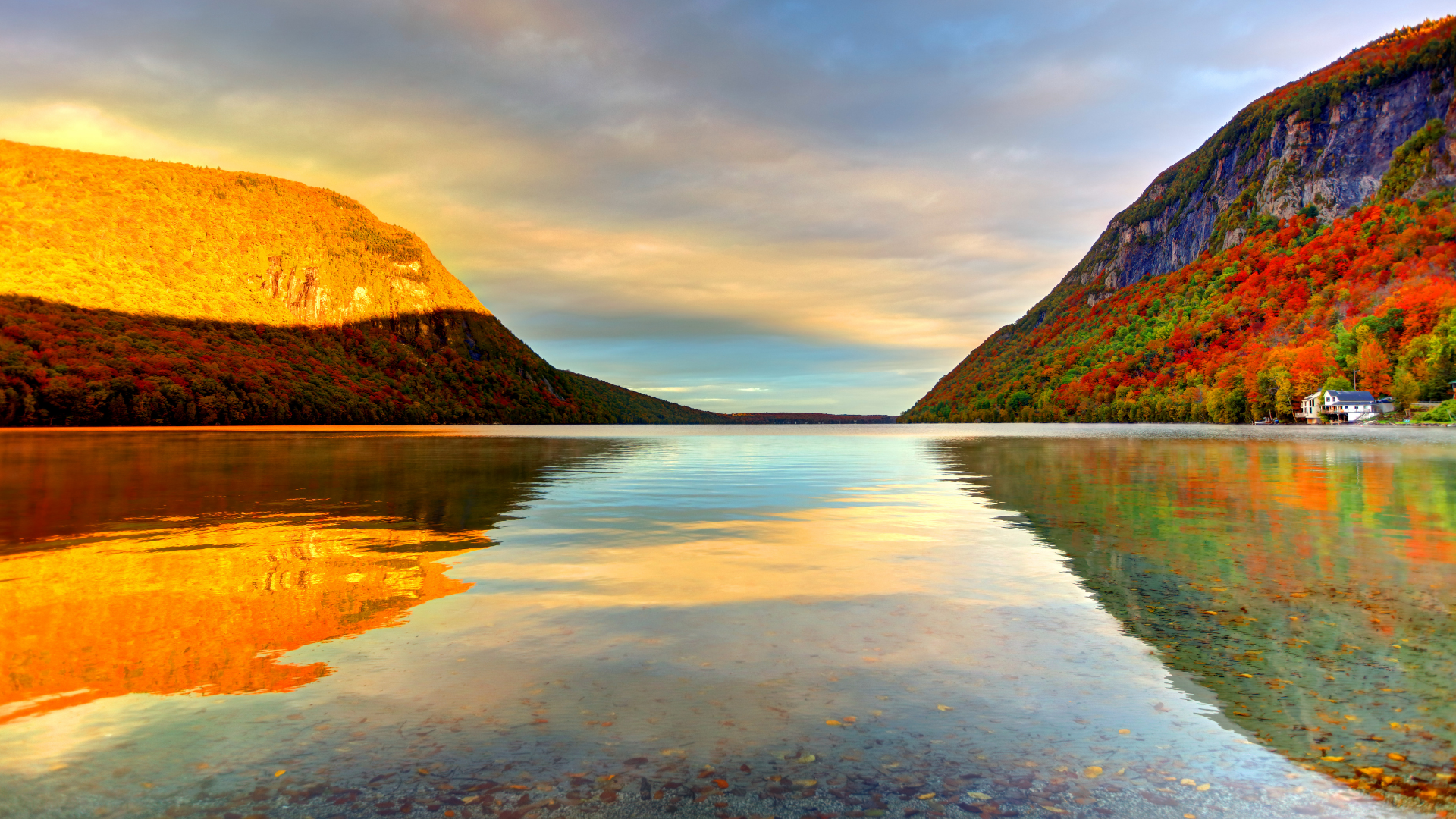
Lake Willoughby is entirely freshwater and sits far away from the coast. Still, the geography creates a crazy wind tunnel effect. High winds constantly whip down the narrow gap between the two mountains. This churns up serious whitecap waves that make the surface feel a lot more like the open ocean than a quiet mountain lake.
Deep And Freezing Cold
Because the glacier dug such a deep trench, the lake drops down over 320 feet. That makes it one of the deepest lakes in the northeastern United States. All that depth means the water stays incredibly cold. Even on a blazing-hot August afternoon, jumping in feels like an ice bath.
During the winter, the heavy wind blowing through the gap hits the steep rock walls and freezes solid. Huge pillars of ice form straight down the sides of Mount Pisgah. It is a harsh setup. But it perfectly shows how a moving block of ice can completely rewrite a landscape, leaving a giant scar that happens to hold water.
 Read Exclusive Stories
 Bookmark & Save Articles For Later