Off the coast of Scotland sits Staffa, a small, uninhabited island with a very strange feature. On the island’s southern end lies a series of stone pillars lining a sea cave known as Fingal’s Cave.
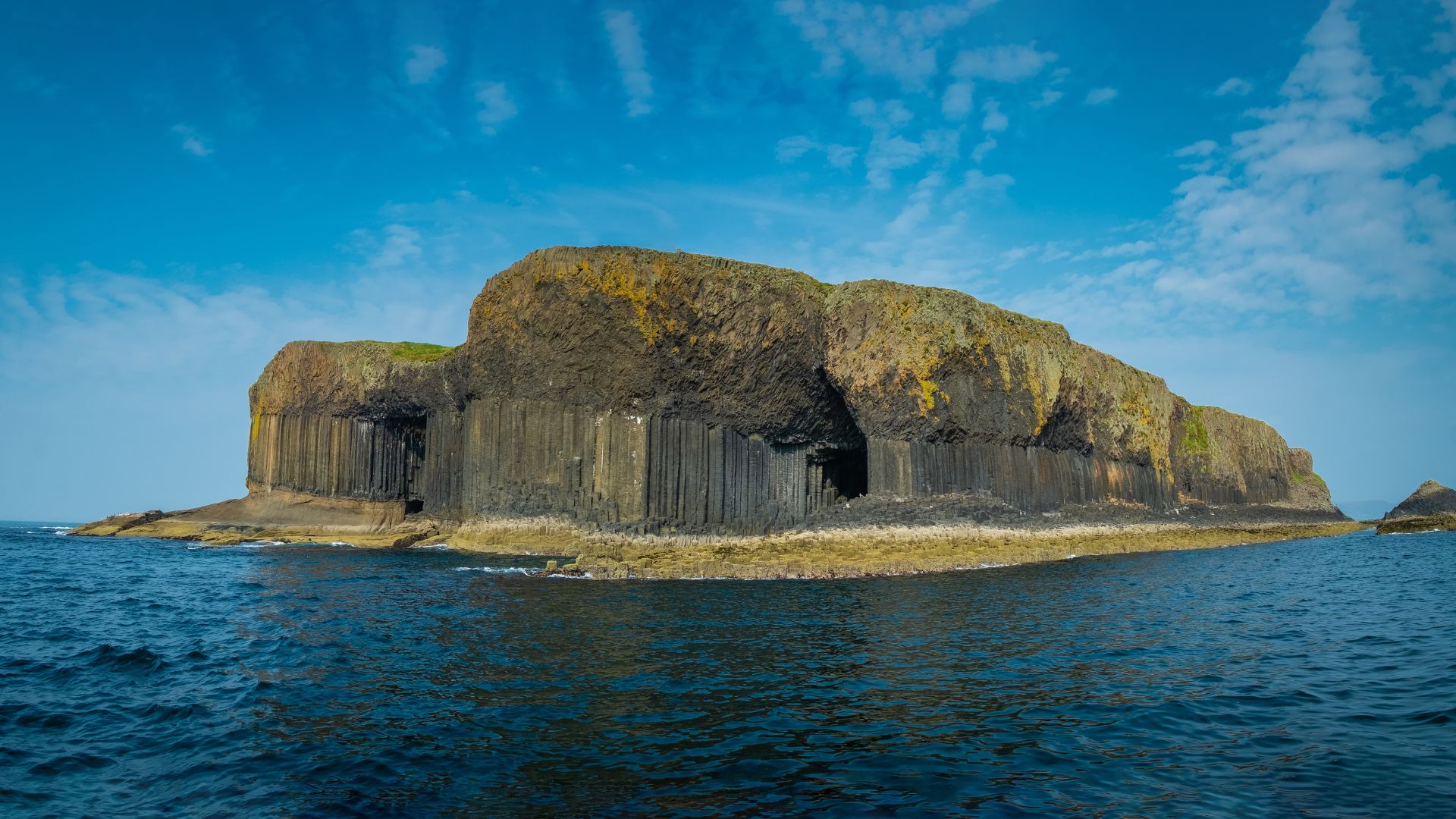
The stone is so geometrically shaped that it seems as though nature did not create these impressive stone formations. The pillars are almost all six-sided, standing end to end like giant bricks. It looks more like an ancient cathedral or fortress than a natural phenomenon.
Cool Lava Under Pressure
Around 60 million years ago, a massive volcanic eruption produced a flood of molten lava that poured from the mountain. The lava cooled slowly over time. As lava heats, it contracts as it cools. However, because this lava cooled at the same rate from top to bottom, it created immense physical stress on the rocks.
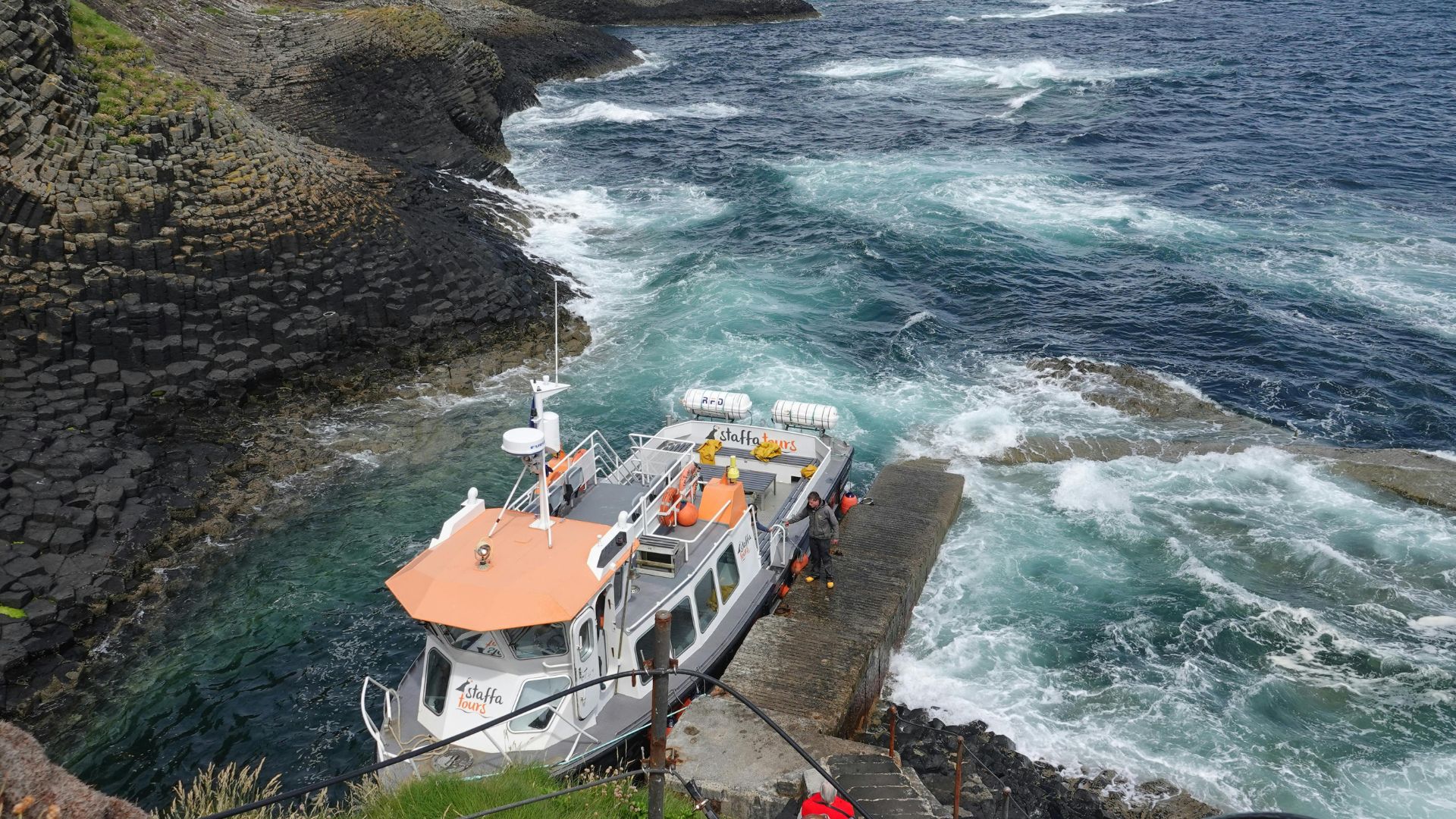
These rocks cracked and formed geometric, six-sided patterns. This natural process is referred to as columnar jointing. Similar to mud, mud, or drying clay, these lava columns grew to 72 feet in height.
Advertisement
Ocean Waves Finishing The Job
After the lava columns had formed, the Atlantic Ocean began to erode the newly formed Staffa island. Thousands of years of high ocean waves relentlessly targeted the spot in the cliff where the softer rock.
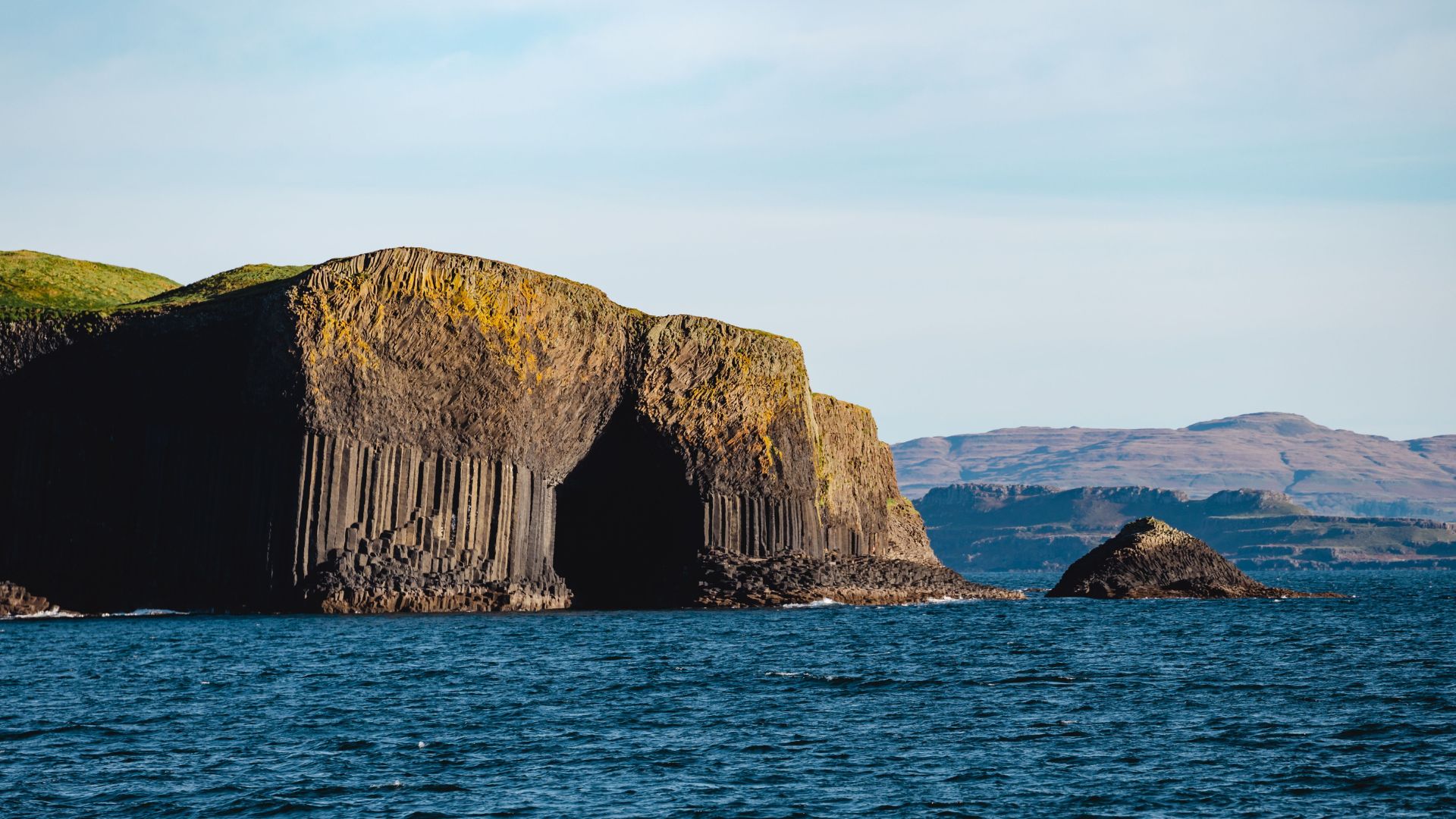
Over time, those targeted waves eroded the softer rock, creating a cave that is 270 feet in depth. The cave features an arched ceiling formed by the remaining tops of the lava columns. When ocean waves crash into the cave’s narrow entrance, the cave’s natural shape amplifies the sound of the waves. The echo sounds like a musical organ, hence the Gaelic name for the cave, meaning “the musical cave”.
 Read Exclusive Stories
 Bookmark & Save Articles For Later