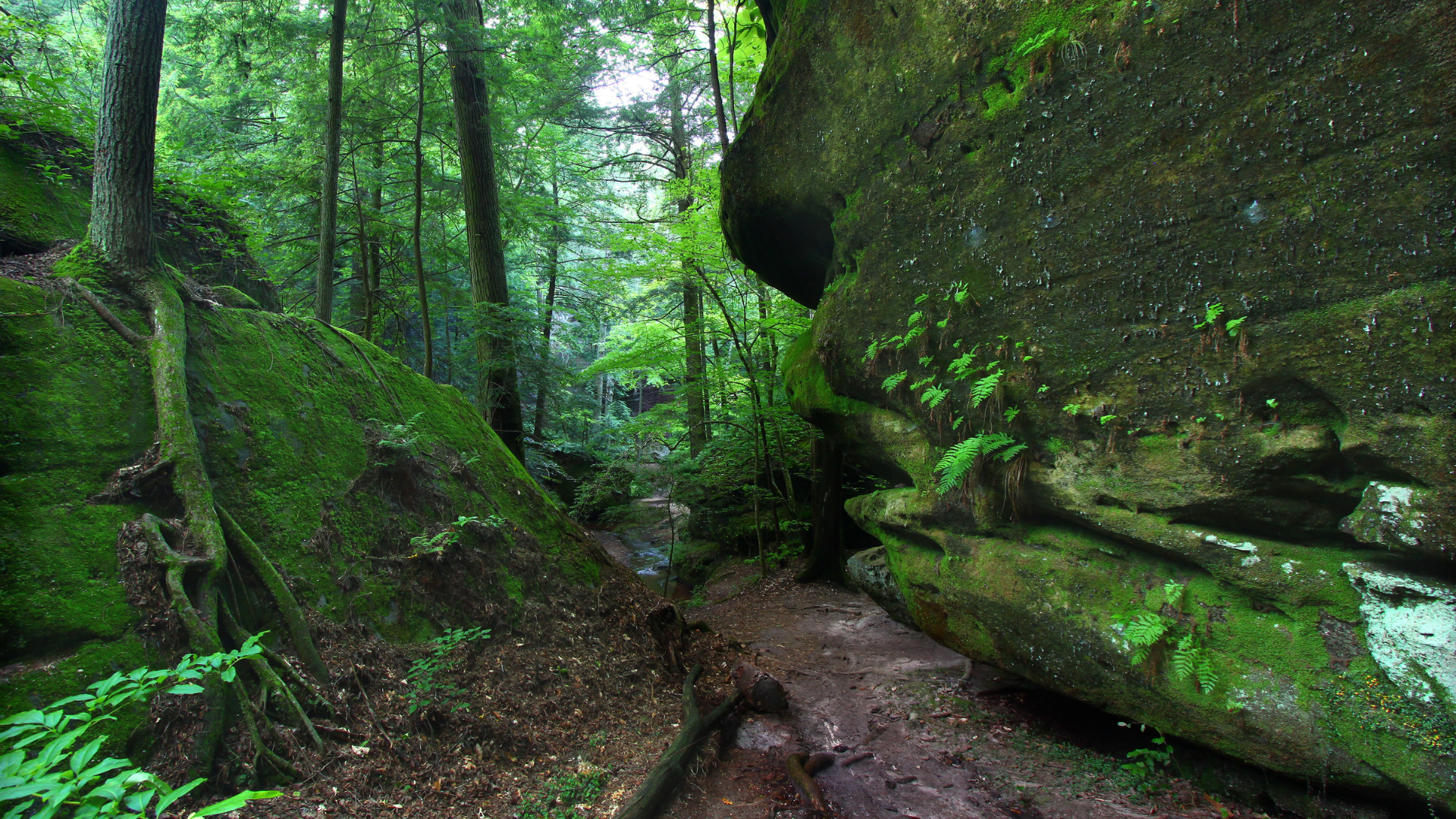
Walk through the woods of northwest Alabama at night, and you might think you are seeing stars below the tree line. Tucked away in a sandstone gorge called Dismals Canyon, the steep rock walls actually glow in the dark.
It is one of the only places in the world where you can see this specific kind of natural light show. But the glow does not come from strange rocks or a glowing fungus. It comes from thousands of tiny, hungry bugs.
The Glow In The Dark Bugs
These glowing creatures are called dismalites. They are actually a type of fungus gnat larva. When they hatch, they need food to survive before they grow into adult flies. So, they set up a trap.
The larvae build sticky webs along the damp canyon walls. Then they use a chemical reaction in their bodies to produce a bright blue-green light. It works much like a firefly, but the light stays on constantly rather than blinking. In the pitch-black canyon, other flying insects see the glowing light and fly straight toward it. They get stuck in the webs, and the dismalites get an easy meal.
Why They Only Live Here
Advertisement
You will not find these bugs just anywhere in the state. Dismalites need a very specific environment to survive, and this canyon provides it perfectly.
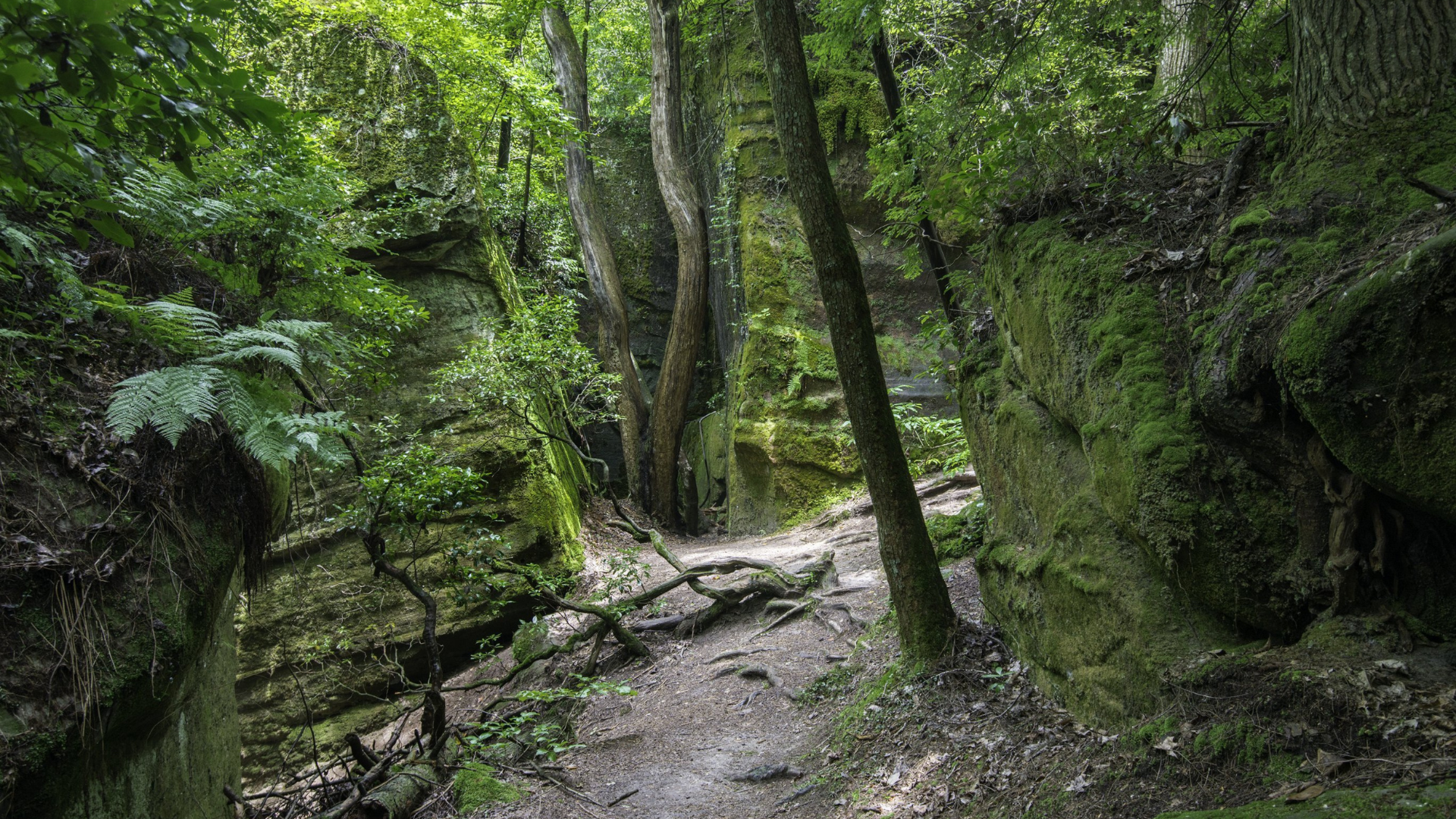
The gorge is surrounded by massive sandstone walls that drop about 85 feet down. Because the walls are so steep, they block out the wind and keep the air incredibly still. A small creek also runs right through the bottom of the canyon, which keeps the air heavily saturated with moisture year-round.
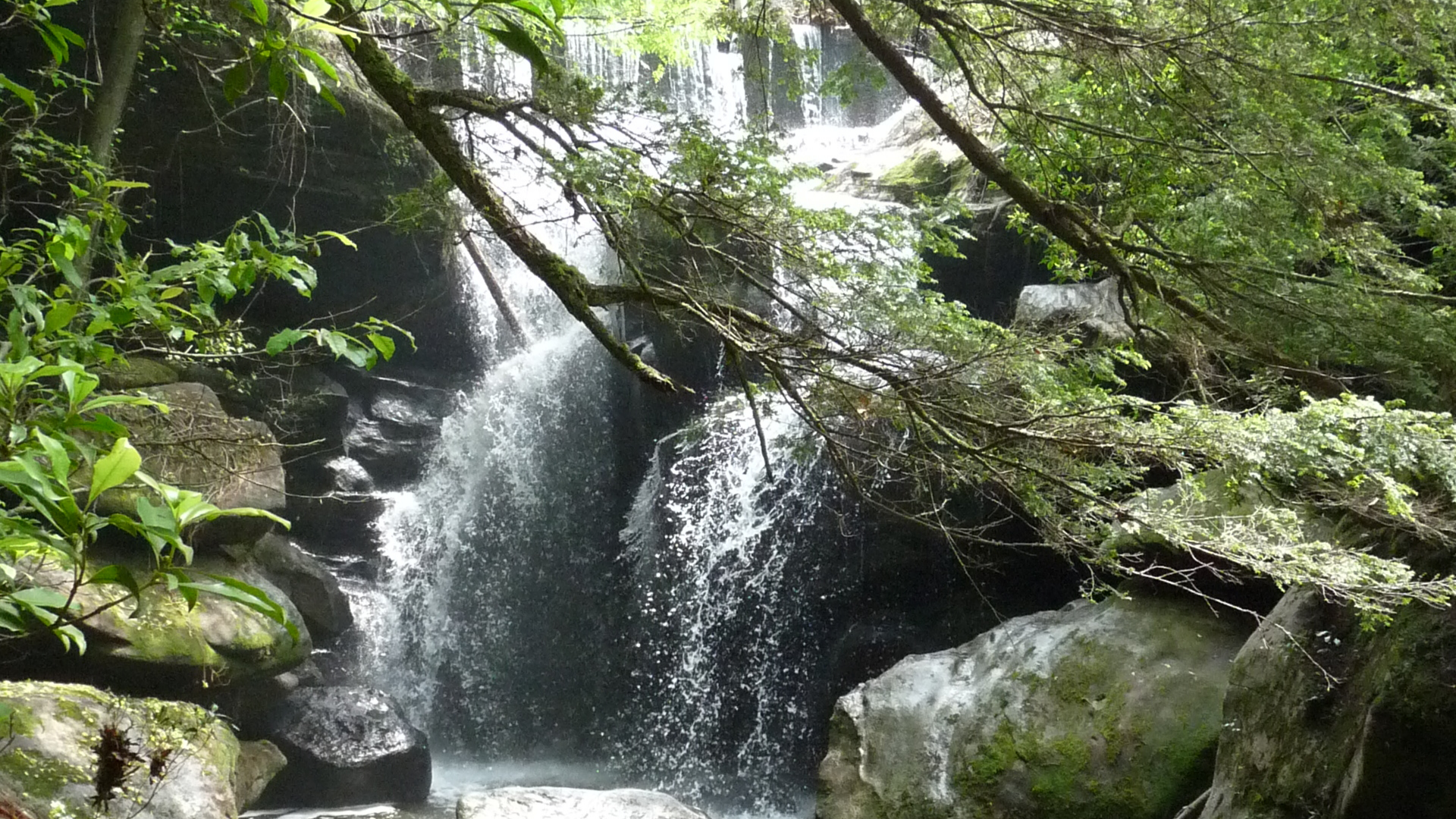
This creates a microclimate that feels completely different from the rest of Alabama. The deep shade and constant dampness stop the dismalites’ sticky webs from drying out. Without this exact combination of deep rock and still, wet air, the bugs simply could not survive.
Timing Is Everything
Seeing the glow takes some planning. The bugs live in the canyon all year, but they are most active during two specific windows. The best times to see them are usually late April through May, and then again in late September and October.
During these peak seasons, the canyon gets so dark at night that you have to use a red flashlight just to find your way down the trail. Standard white flashlights will ruin your night vision and actually cause the bugs to dim their lights. But once your eyes adjust to the dark and you turn off the red light, the rock walls come alive. It looks exactly like someone strung thousands of tiny blue Christmas lights right across the wet stone.
 Read Exclusive Stories
 Bookmark & Save Articles For Later