Long before climate and conservation became national conversations, Beman and Bertie Dawes were quietly shaping a legacy rooted in sustainability, education, and public good. Founded in 1929, The Dawes Arboretum grew from one family’s passion for trees into a 293-acre living museum with more than 50,000 trees planted before 1930, with many sourced from around the world to thrive in central Ohio.
Nearly a century later, that early vision continues to influence modern environmental stewardship, public education, and the role arboretums play in addressing today’s ecological challenges.
Holly Latteman received her Bachelor of Arts in Zoology, Sociology/Anthropology, and Environmental Studies from Ohio Wesleyan University in 2017, going on to earn her Master of Science in Environmental Studies from Ohio University in 2019, where her research focused on black vulture range expansion and human-wildlife conflict.
Holly currently serves as the Director of Science and Research at The Dawes Arboretum, where she leads the living collections, plant records, herbarium, and nursery. Dedicated to bridging science and community, she evaluates current research projects and communicates outcomes to both the scientific community and the public.
TWT: As we approach the Arboretum’s centennial in 2029, what lessons can modern urban planners and conservationists learn from that specific early-20th-century ‘vision of 50,000 trees’?
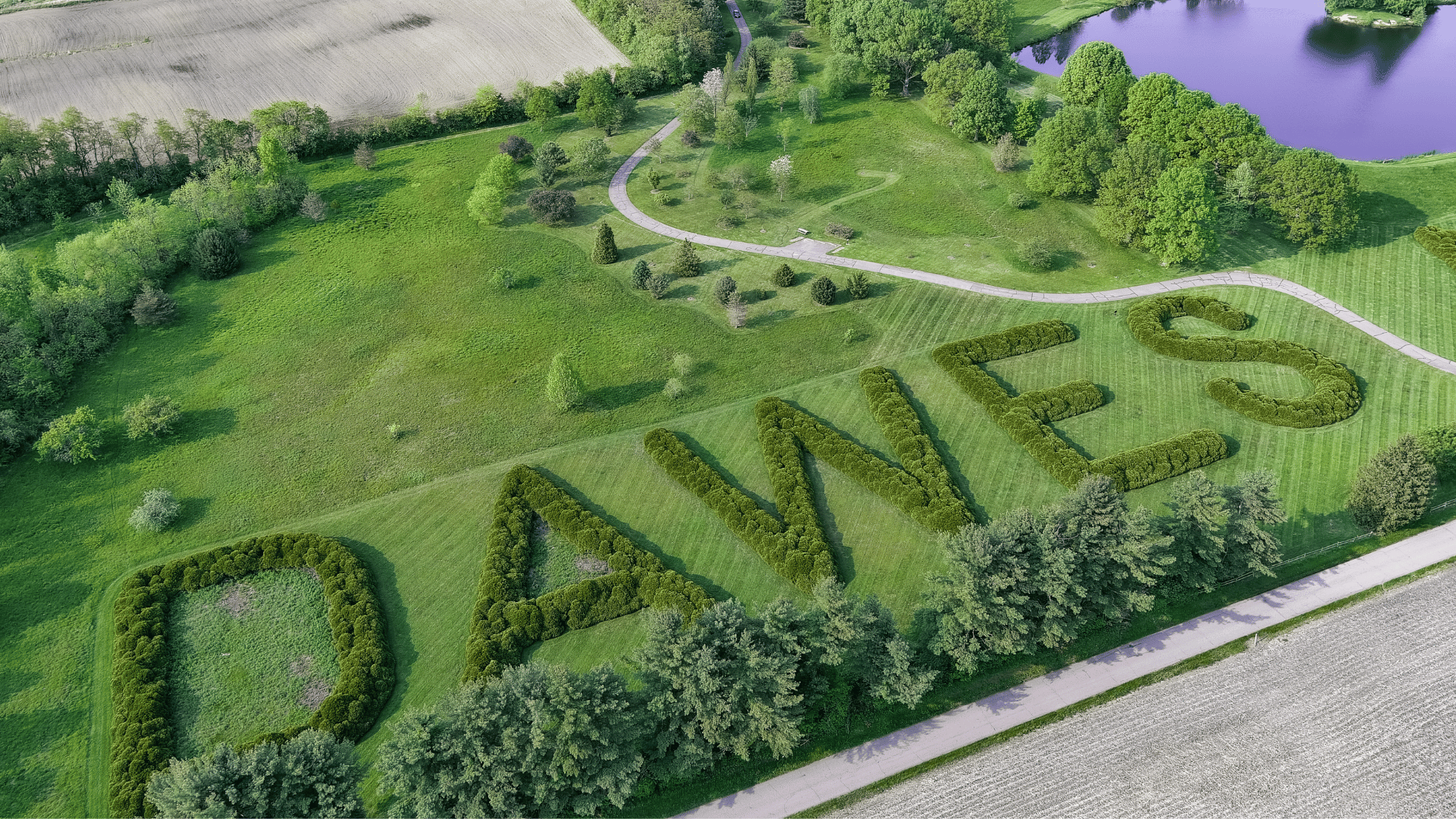
Holly Latteman (HL): Beman and Bertie Dawes were innovators because they saw the potential of conservation and education before there was an environmental movement. They saw beauty and wanted to study, preserve, and share it, and they worked really hard to make that dream happen by planting trees, cultivating collections, and then opening The Arboretum — a living tree museum.
What started small as a family retreat just kept growing, welcoming generations of families and nature lovers.
We celebrate the legacy created by Beman and Bertie Dawes by focusing on plant conservation through our Science and Research Team at The Arboretum. Beman and Bertie were ahead of their time in 1929, focusing on conserving a landscape that would sustain a brighter future for the state of Ohio and beyond. The Arboretum looks forward to the next 100 years with the same reverence for trees, nature, and history that Beman had in 1929. Conservationists and modern urban planners can learn that investing in education and enriching the life of the community, even when it’s not incentivized or popular, provides a legacy that impacts generations. We know that innovation shows itself in many different ways, and it shows itself at The Dawes Arboretum across 2,000 acres of vast grounds, with beautiful, nationally accredited collections that bring joy to its visitors.
TWT: How does maintaining historic collections, such as your nationally accredited Maple and Dawn Redwood collections, contribute to modern scientific research on climate adaptation?
HL: We have four nationally accredited collections at The Dawes Arboretum: Maples, Dawn Redwoods, Witch Hazels, and Buckeyes. These trees continue to contribute to research by preserving the genetics of these species. We are actively conserving wild-known origin genetics in all of our collections and serve as a living repository — similar to how Beman Dawes viewed trees as a living history, which cultivated the Arboretum visitors know and love today.
TWT: How do you balance preserving the solitude of Beman’s original ‘country retreat’ with the need to make nature accessible to a diverse, modern public?
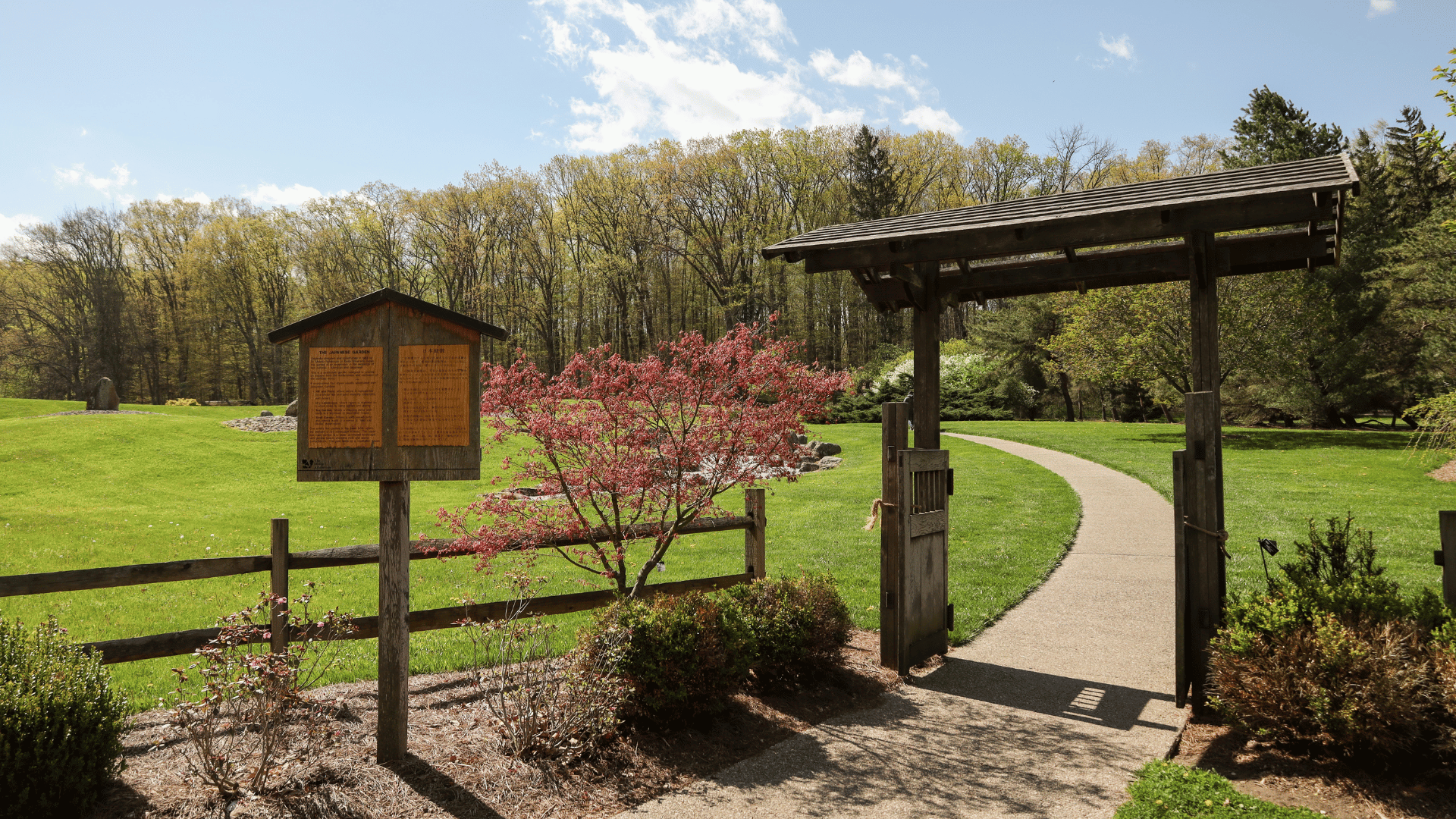
HL: The Dawes Arboretum’s History Team preserves Beman and Bertie Dawes’ history by maintaining The Archive, a fascinating physical and digital place where various items, images, and ephemera are protected so The Arboretum can tell the stories of the past.
The iconic Daweswood House Museum, where the founding family once lived, is preserved and filled with intricate details of what once was. Whether it’s Bertie’s pink bathroom or dolls, the house is maintained for visitors.
We honor Beman’s country retreat by sharing the wonder of this history with our guests and members through tours and history exhibits, which are available online and in person. The Dawes Arboretum honors Beman and Bertie’s legacy by celebrating and sharing our history.
Advertisement
There are several ways and different times of the year when access to The Arboretum is free, but the modest entry fee we charge has allowed us to both have a sustainable way to continue to invest in the maintenance, upkeep, and innovation we put into the landscape and also to increase safety and security on the grounds. It is a simple way we engage visitors in respecting and preserving the grounds.
This year is the Dawes Arboretum’s Year of History, an exciting time to reflect and appreciate our story alongside Ohio & America’s 250th Anniversary as we head toward our centennial in 2029.
TWT: How is The Dawes Arboretum modeling these sustainable practices not just for other institutions, but for the average homeowner visiting the grounds?
HL: The Dawes Arboretum offers many educational opportunities throughout the year for our members and guests, including gardening workshops, online storytelling, and informative videos and articles on social media.
The Arboretum hosts the Horticulture Hotline, a question-and-answer service with a certified arborist where the public can reach out and ask any question they want to our Garden Program Manager about invasive species, different types of trees, and more. We have ideas and opportunities for homeowners to learn from us, no matter how they interact with The Arboretum.
TWT: How are programs like your ‘Winter Wonders Walk’ or the ‘Storybook Science’ sessions evolving to capture the attention of a digital-native generation?
HL: When people are invited into The Arboretum, they are greeted with the beauty of nature, which invites reflection and introspection. When you drive into The Arboretum, you’re encouraged to slow down and appreciate the fascination of the world around you.
In a lot of ways, we also work with the digital devices so common today to supplement the visitor’s experiences in nature. For instance, our trail maps and plant identifications have QR codes that lead to additional information. People can use their phones and capture everything from native wildlife and insects to a beautiful tree, and tag us online or participate in our photo contest. For a program like Winter Wonders Walk, we have a drone video that lets people experience the lights if they prefer to stay indoors or can’t traverse the path. While Dawes provides an escape from digital noise and doomscrolling, we are also always considering ways to bridge the divide between nature and technology.
Our programs are central to accessibility. Each visit to The Dawes Arboretum provides something new to discover and learn, focusing on our mission of enriching lives through the conservation of trees, nature, and history.
TWT: What is the biggest challenge you face in curating this living collection that is the Arboretum today, compared to what the Dawes family faced in 1929?
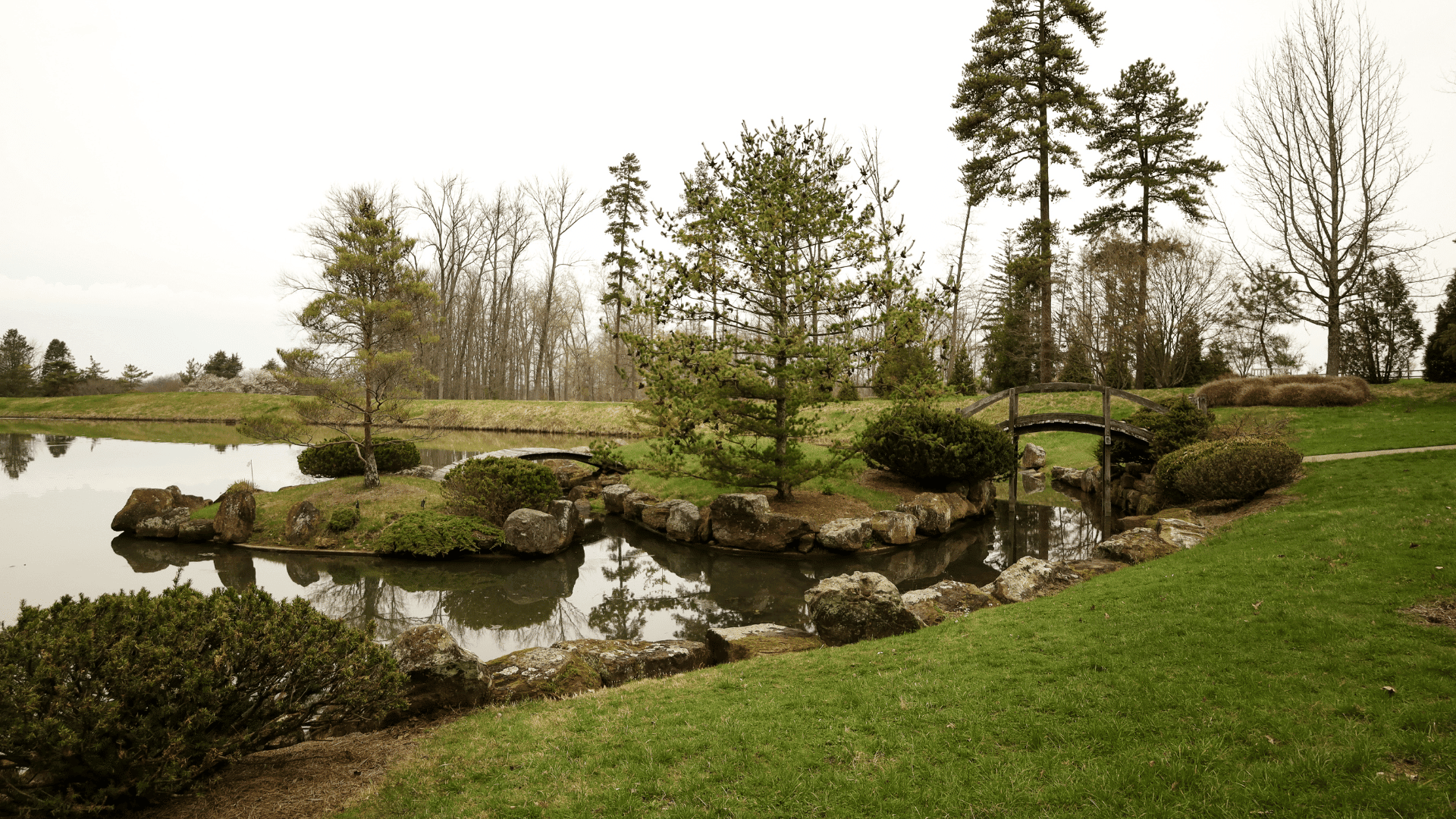
HL: The biggest challenge The Arboretum faces today is the vast amount of our living collections. The Arboretum has not only nearly quadrupled in size since 1929 but has also grown in technology and tools used to curate our living collections. Currently, we use a wide range of technology to track our collections from arrival in our nursery — where our collections begin their lives and begin to grow — to being planted on our grounds for visitors to view and enjoy. Many people might not know every plant is identified and tagged, but there’s a lot of incredible science behind the beauty of the landscape, and we believe Beman would be proud of how far we’ve come.
TWT: What is your vision for the Arboretum’s role in the national conversation on climate and conservation over the next century (Or future in general)?
HL: Our vision for the future is to honor the mission that our founders began in 1929, dedicated to enriching lives through the conservation of trees, nature, and history.
We believe we can offer a unique mix of practical experience and a rich foundation in science to provide grounded insights and realistic actions for the conservation and protection of the natural environment.
We are already looked to as a resource on how to respond to certain innovative species, and we have multiple partners using The Arboretum for groundbreaking research. We know that over the coming years, we will be able to yield real impact on these fronts.