Experts predict that in 2026, we’ll see a rise in resilient indoor plants, eco-friendly outdoor practices, and intentional growing for personal wellbeing and connecting with nature. Whether you’re a seasoned gardener or new plant parent, these 2026 plant trends reveal what’s next for homes and gardens alike.
Houseplant Trends
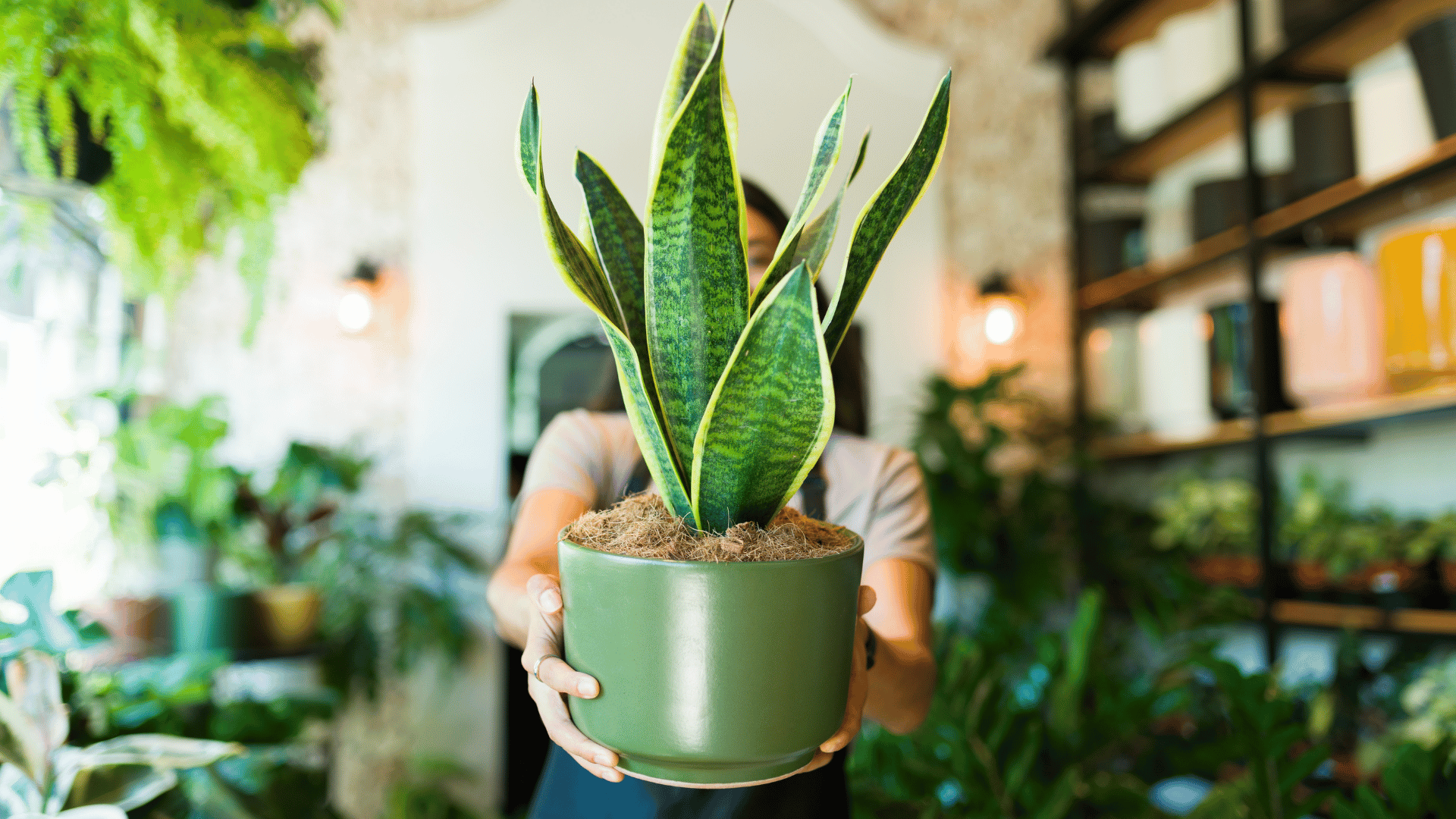
Plants such as Philodendron (e.g., Spiritus Sancti, El Choco Red), Alocasia (e.g., Silver Dragon, Frydek Variegata), Snake plants, and Monstera are predicted to be trending in 2026. The last two have remained popular varieties for several years due to their resiliency and low maintenance requirements. Stylish plants like Ficus (Audrey, Benjamin) and Dracaena are also making a strong comeback.
Millennial and Gen Z houseplant owners are reportedly turning toward rare and hybrid varieties that offer bold patterns and textures. Experts also expect kokedama, a decorative planting technique where plants are grown in a compact, soil-filled ball wrapped in natural fiber and displayed without a traditional pot, to gain popularity as a way to showcase orchids and other tropical plants in people’s homes.
Gardening & Outdoor Plant Trends
Growing Food is a practice that’s predicted to gain popularity among gardeners in 2026, with fruit trees and citrus, fig, and berry shrubs predicted to be among the most popular. Pollinator-friendly planting is also on the rise, which involves choosing plants for your garden that support the overall local ecosystem. For example, planting flowers that are pollinators or plants like chokeberry and giant coneflower, which provide food sources for birds.
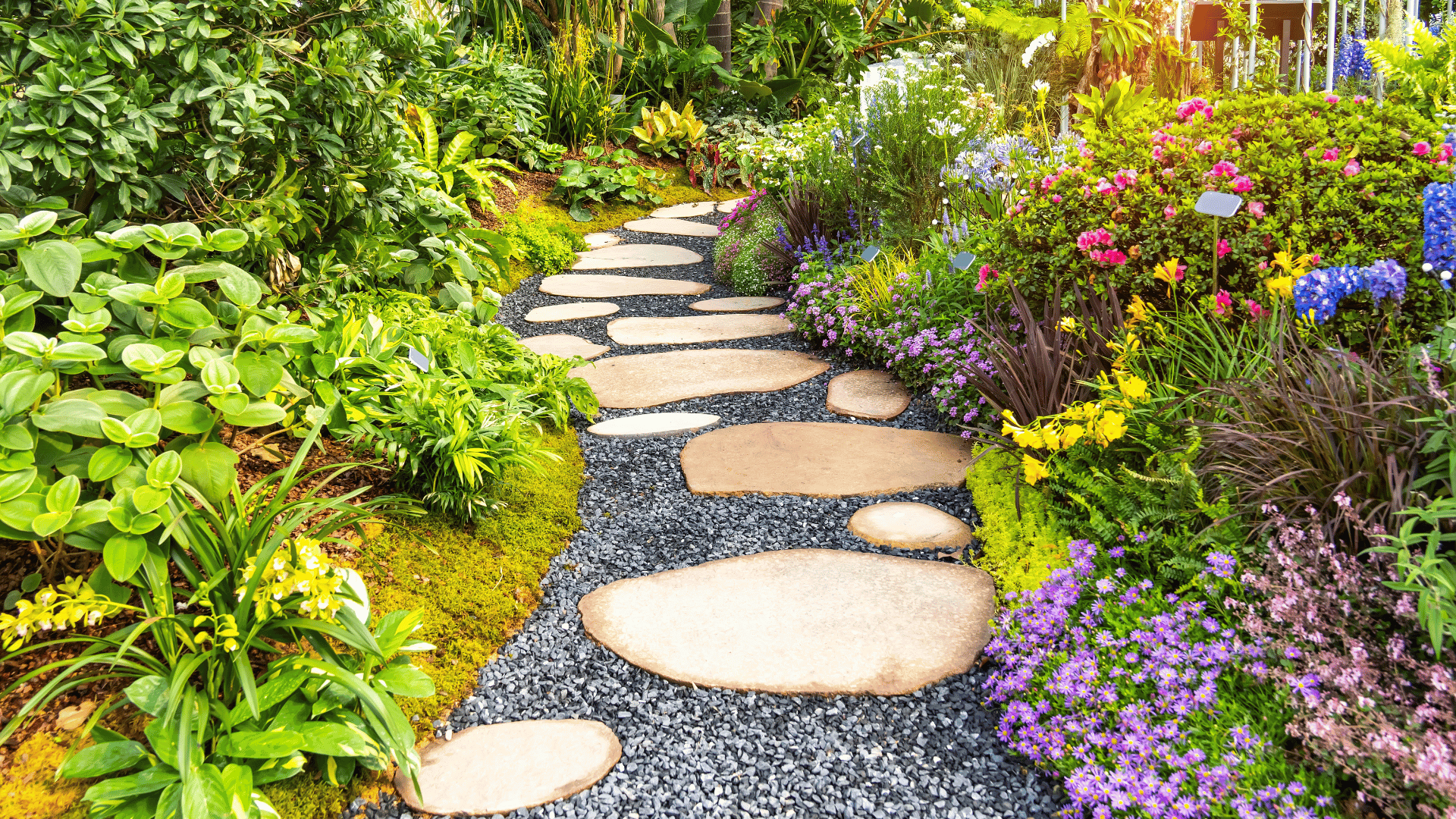
Gravel gardening is expected to increase, which is a xeriscaping technique that uses gravel instead of mulch for drought-tolerant plants. This approach is not only aesthetically pleasing, but it also promotes smart water usage. Rewilding is also trending in 2026, which is when you allow certain portions of your garden to “rewild” or self-regulate with little human interference.
Gardeners are also reducing lawn space and adopting practices like “leave the leaves” to create a habitat for overwintering insects.
Overall Themes:
- Intentional Growing: Choosing plants for personal wellbeing and a connection to nature.
- Low Maintenance: A driver for plant selection for the past several years, with a new rise in manageable container gardening.
- “Lived-In” Gardens: Naturalistic landscapes with winding paths and mixed textures over overly perfect designs.
- Eco-Friendly Practices: Creating gardens that benefit the environment and support a host of ecological functions will be an ongoing trend, the Pennsylvania Horticultural Society predicts.
- Artificial Intelligence: Several new garden design applications utilize AI, and many plant identification apps also use AI to help people identify and learn about plants they spot in the wild.