We interact with manufactured products every day. Yet we rarely witness the scale, intensity, and accuracy involved in manufacturing these products.
To truly understand the skills and processes employed in American manufacturing, one must witness them firsthand. These five experiences will transport you directly to the manufacturing floor or into the massive facilities that helped create the modern industrial economy. Unlike viewing artifacts in a silent museum, here you can witness the manufacturing processes.
Ford Rouge Factory Tour (Dearborn, Michigan)
This is the place to experience contemporary automobile manufacturing. The Ford Rouge Complex has a century-long history of automobile manufacturing, yet today it serves as a display of contemporary manufacturing methods.
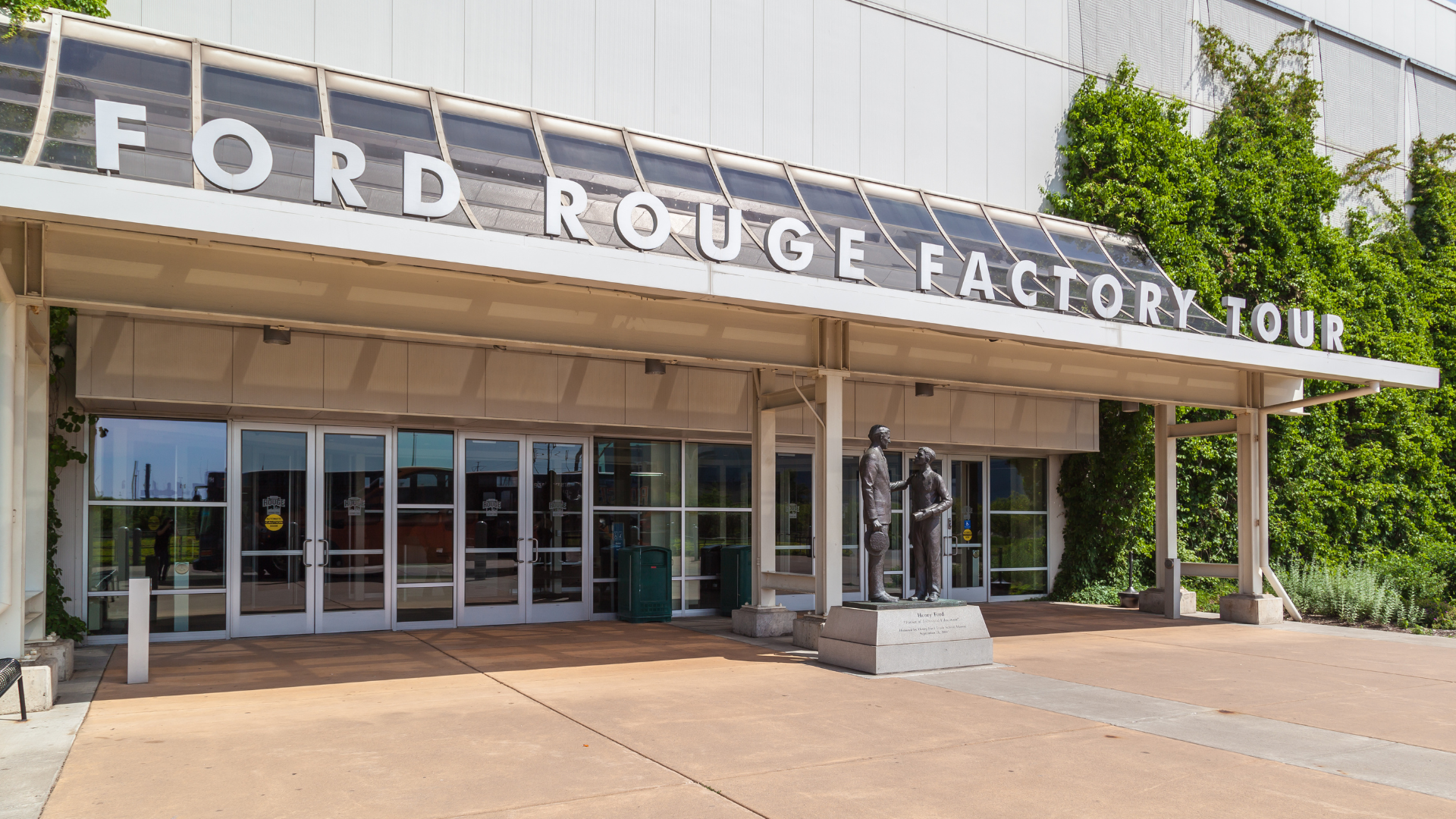
You will be standing on a high platform above an active Ford F-150 production line. You will observe both humans and robots working together seamlessly as they create one of the most popular vehicles in America. This is a great demonstration of modern manufacturing and how thousands of components get put together to create a complete truck on the production line.
Carrie Blast Furnaces (Pittsburgh, Pennsylvania)
Steel is an important part of American industry history. Although most active steel mills are not open to the public for safety reasons, the Carrie Blast Furnaces provide a similar experience.
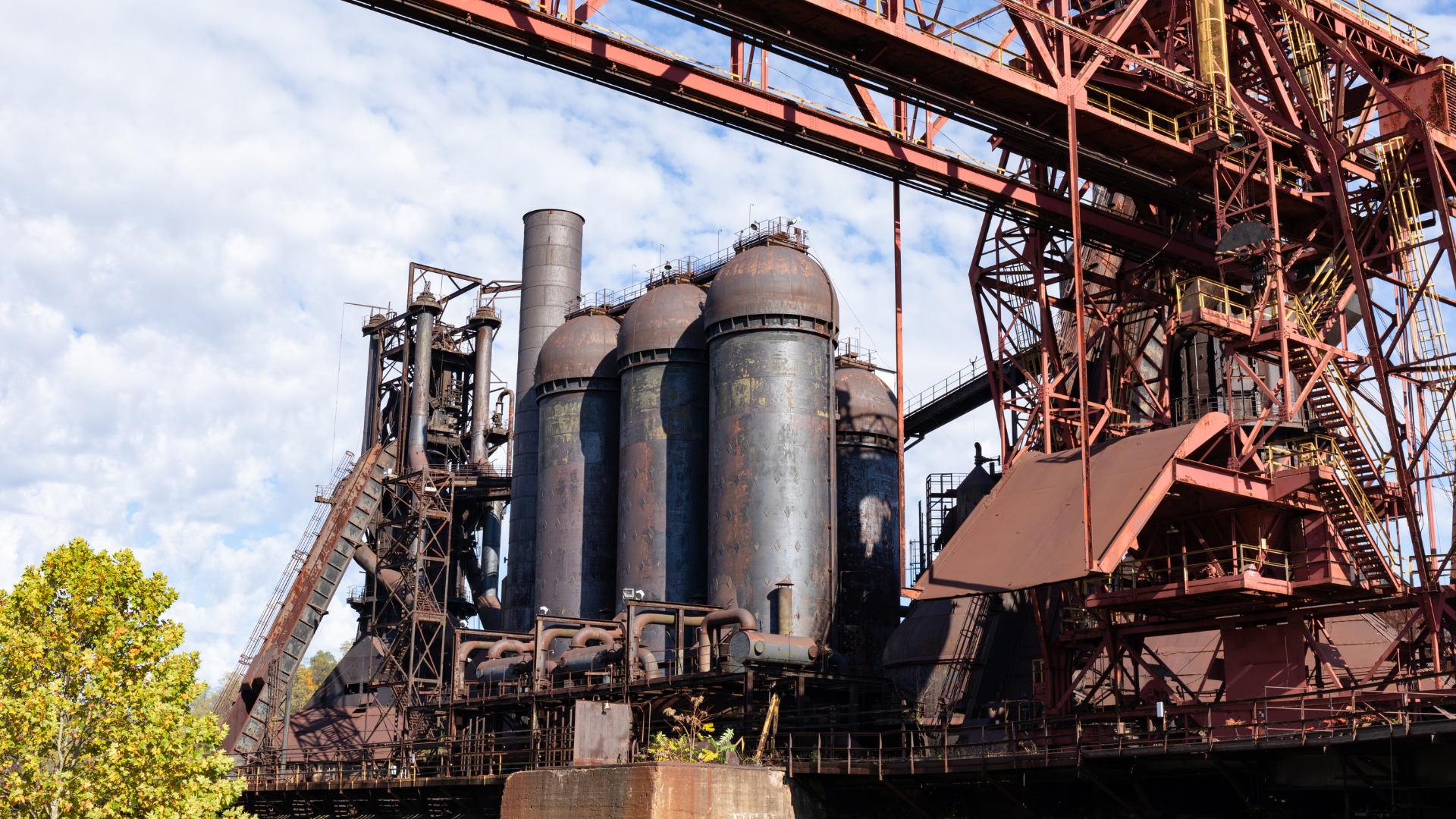
This National Historic Landmark includes the large iron-making furnaces that were in use from 1884 through 1982. As you walk through the brick ovens and large pipes, you can experience the size and harsh conditions of an industry that created so many bridges and skylines across America. Many of the guides are former steelworkers who can describe the process of melting raw materials into iron at 2,800 degrees Fahrenheit.
Boeing Future of Flight (Everett, Washington)
The scale of aerospace production is difficult to grasp without witnessing it. The Boeing Everett Factory is the largest building in the world by volume. This facility was originally constructed in the 1960s to produce Boeing’s large 747.
Advertisement
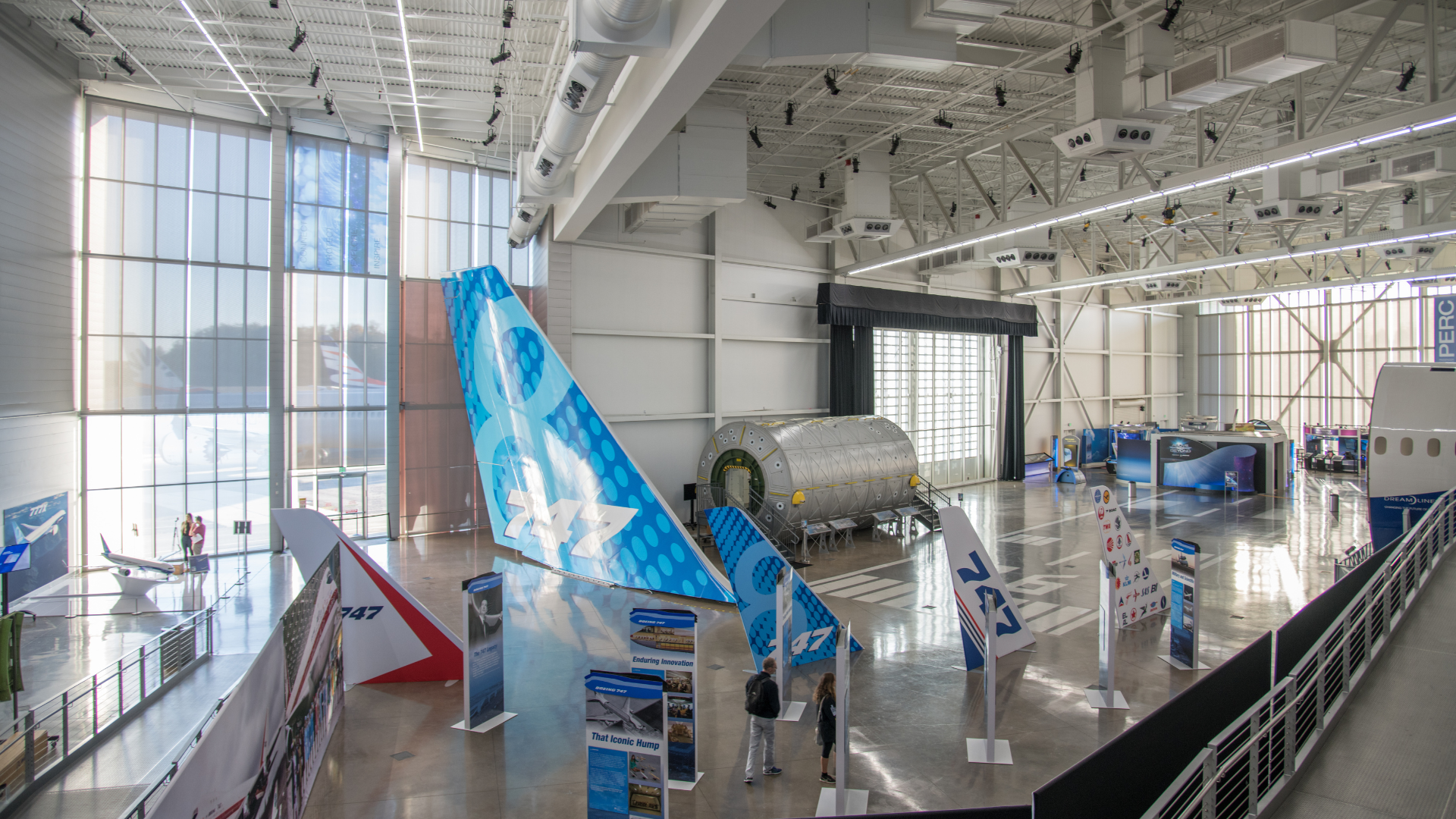
Guests are welcome to tour the active aircraft production line and witness the creation of commercial aircraft from the ground up. From above, on the enormous production floor, one can witness the precision required to attach large wings and engines to the fuselage. This is a powerful display of the high technology and heavy manufacturing needed to get people into the sky.
The Corning Museum of Glass (Corning, New York)
Glass production combines both traditional skills and high-tech science. Corning invented Pyrex as well as Gorilla Glass, now used on many smartphones.
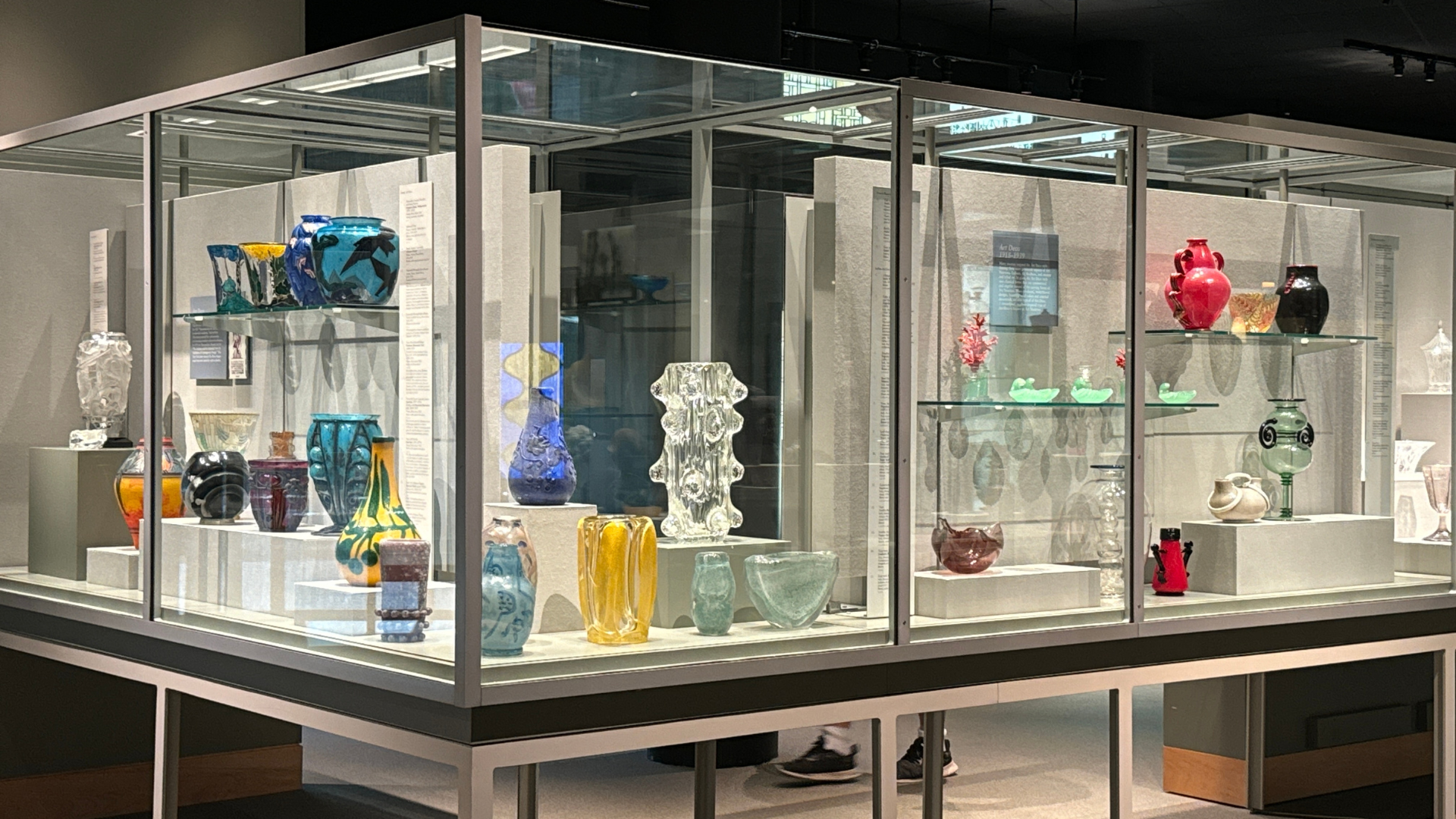
Although the name includes “museum,” the facility is very active. Master glassblowers can be observed drawing molten glass from furnaces at 2,000 degrees and manipulating it in real time. In addition to the hot shop, the facility also explores the science behind glass production for industrial applications such as spacecraft windows and fiber optics. Emphasis is placed on the transformation of a brittle material into one that is extremely strong.
Louisville Slugger Museum & Factory (Louisville, Kentucky)
If you are looking for an example of how a consumer product is made, there is no better example than the Louisville Slugger Museum & Factory. These baseball bats have been made since 1884, and approximately 1.8 million per year.
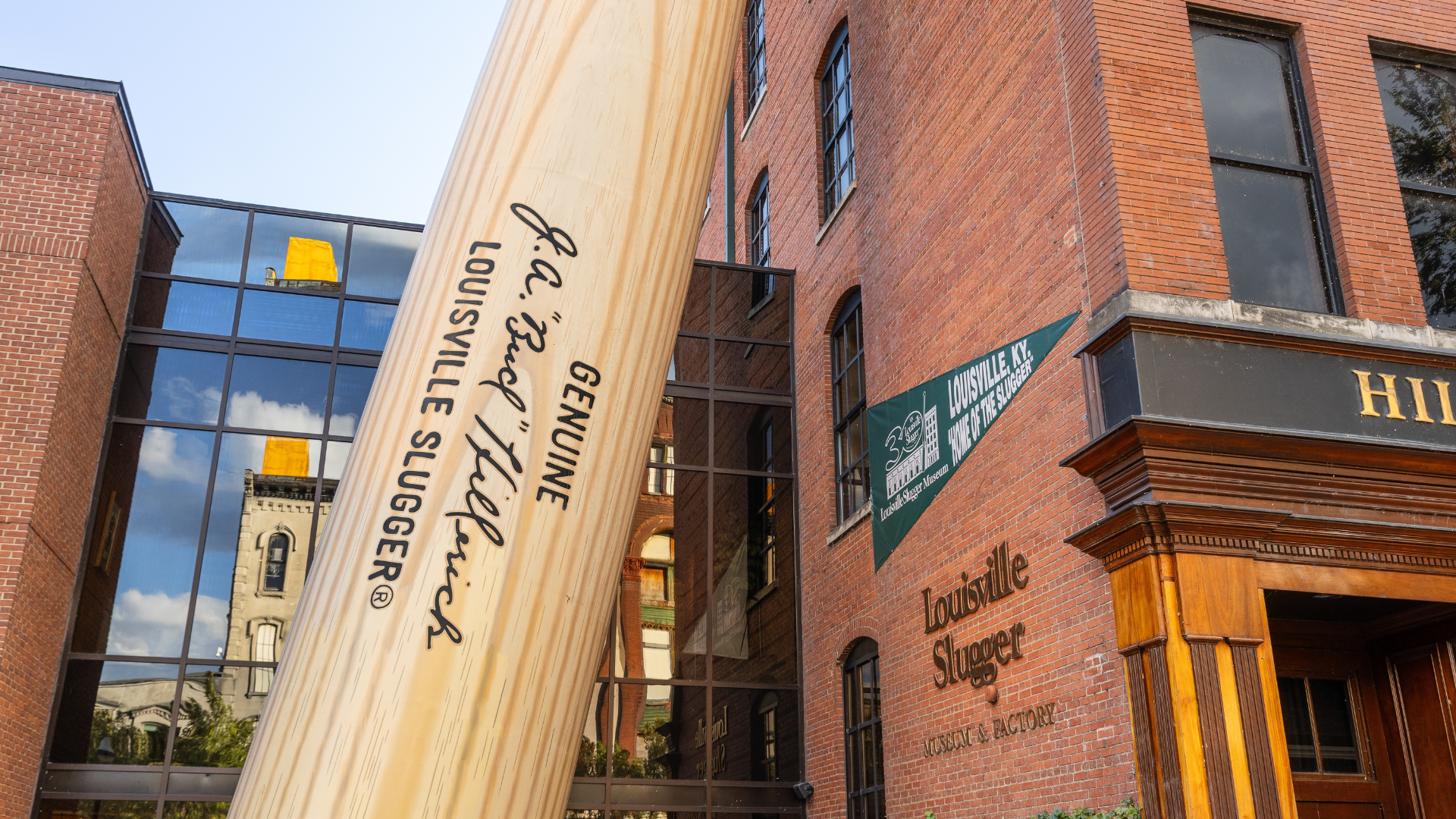
This is a fully functioning factory tour. Visitors get to walk right through the manufacturing process. They will smell the sawdust as automated lathes convert raw maple and northern white ash cylinders into well-balanced bats in just seconds. Visitors will also see the custom finishing and team branding processes applied to the bats used by professionals. This is an excellent example of detailed woodwork occurring within the same facility as large-scale manufacturing.
 Read Exclusive Stories
 Bookmark & Save Articles For Later