America’s industrial comeback needs more than new technology. It needs people who know how to build things.
Washington is stepping up. The White House recently released a major science and technology report titled “A New Golden Age.” The plan calls for a renewed concentration on practical building, fewer bureaucratic barriers, and a stronger connection between scientific discovery and American manufacturing.
This effort includes the national Foundry School initiative. The program connects leading universities such as Stanford, Arizona State, and Penn State with industry leaders. Students learn directly from the CEOs and founders, molding the future of American manufacturing.
Private organizations are also taking action. Mike Rowe, host of Dirty Jobs, runs the mikeroweWORKS Foundation. The foundation set aside $10 million for Work Ethic Scholarships to prepare people for skilled trades such as welding, plumbing, electrical work, and HVAC.
This funding is part of a larger effort to close the skills gap and promote careers that are less likely to be replaced by artificial intelligence. Many of these jobs do not require the cost or time commitment of a four-year degree. The effort also supports initiatives such as BuildFreedom.US, which focuses on training people for infrastructure and defense-related technical careers.
The mikeroweWORKS program is known as the Work Ethic Scholarship Program. Applicants sign the S.W.E.A.T. Pledge, which stands for “Skill and Work Ethic Aren’t Taboo.” Scholarship funds can help cover education-related expenses at accredited two-year colleges and vocational technical schools. Applicants have to demonstrate a strong work ethic, not simply earn high grades.
Educating the Youth of Tomorrow
Preparing the next generation for these opportunities must begin well before college or technical school. This is where Inventionland Education comes in.
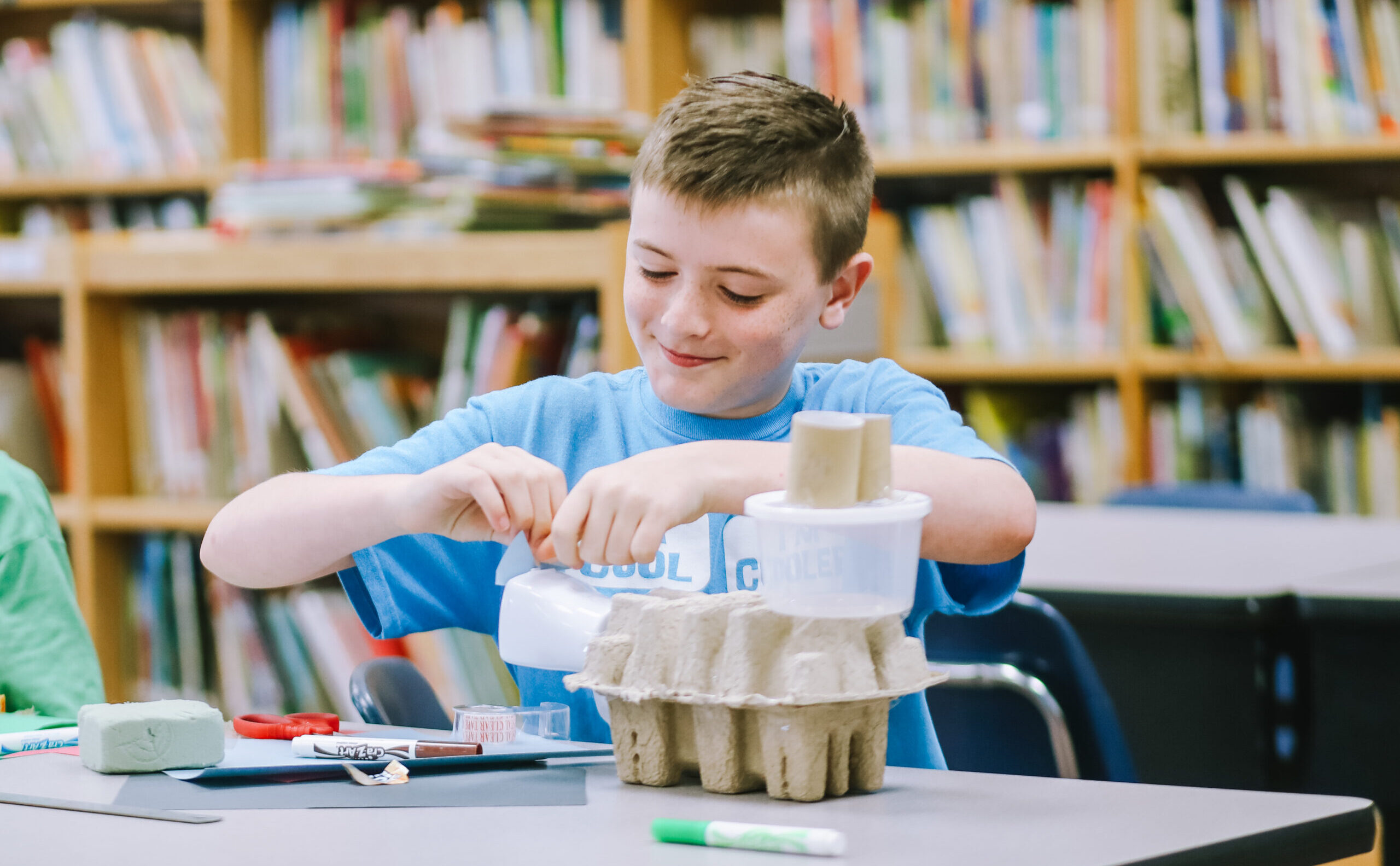
Its K-12 Innovation Science courseware turns the classroom into a place where students actively work in teams to solve problems. Instead of only reading about science and technology, students follow a hands-on 9-step inventing method. They develop original ideas and build physical prototypes as they work through real-world design challenges.
Advertisement
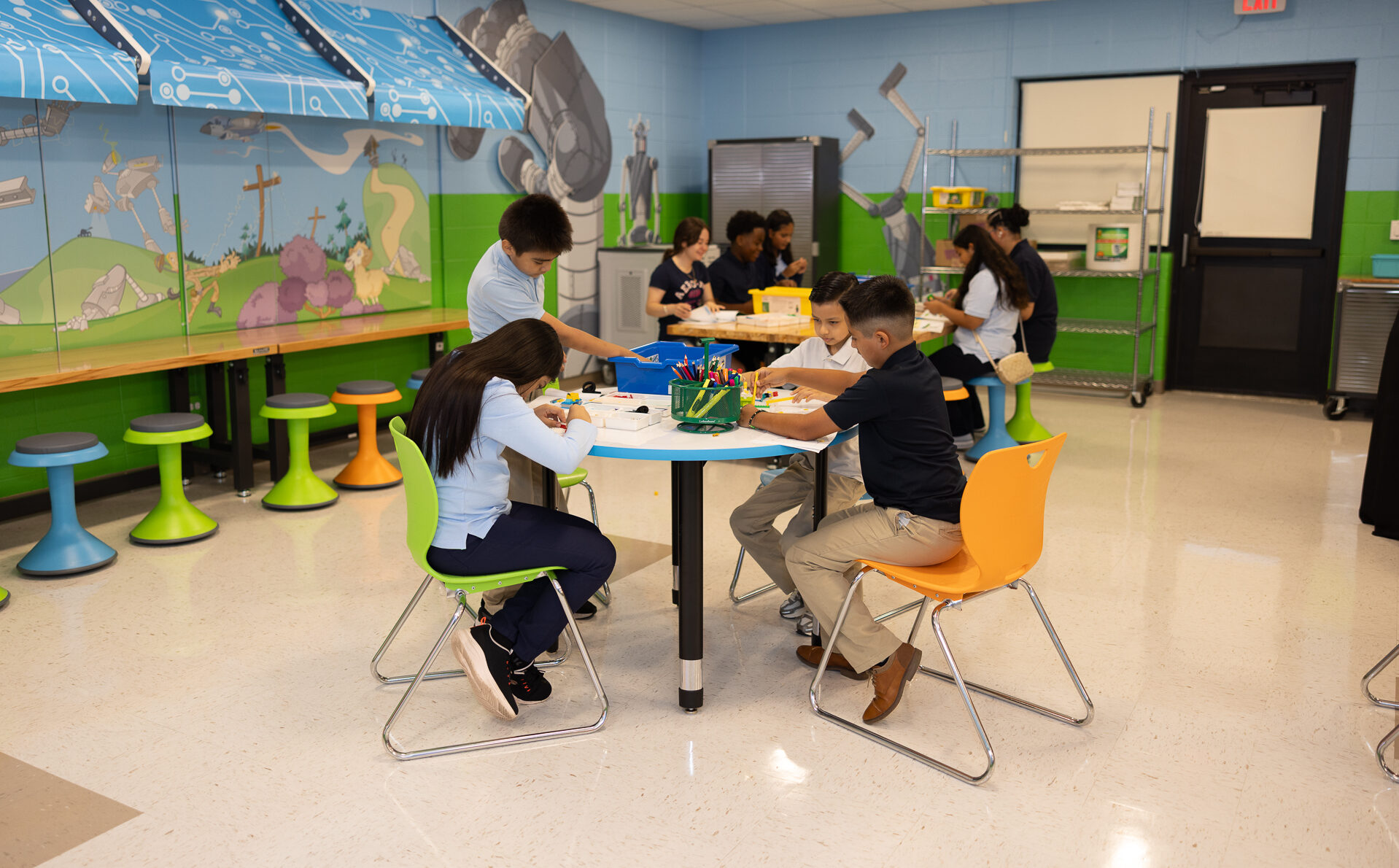
Inventionland Education also creates immersive Innovation Labs® inside schools. These creative spaces provide students and teachers with the right environment to showcase STEAM, STEM, CTE, and career pathways, helping them reimagine their future.
To make these programs more readily available, Inventionland Education offers a supplemental grant program for K-12 schools and districts (awarding up to $2.5 million in grants for the 2026-27 school year). The grants offset a portion of the cost of implementing the Innovation Science curriculum and creating an Innovation Lab. This support can help schools introduce hands-on innovation education even with limited budgets.
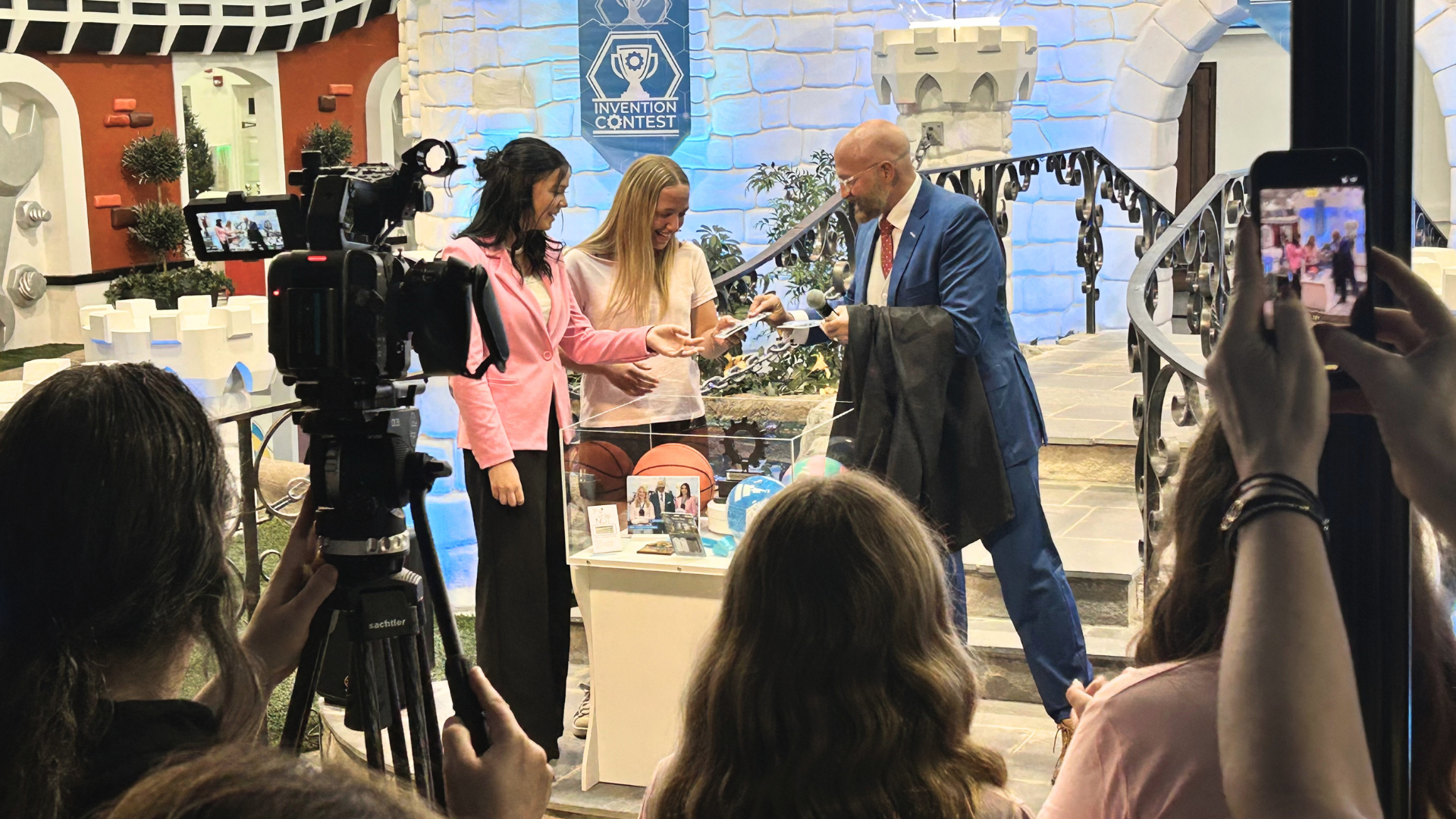
Invention Contest
Students may also have an opportunity to take their inventions beyond the classroom. InventionContest.
This national exposure shows students that great ideas can come at any age. It also helps parents and educators see how classroom learning can lead to practical solutions, future careers, and a lifelong interest in innovation.
Federal workforce programs and private scholarships are helping prepare people for today’s skilled careers. Inventionland Education helps build that same mindset much earlier by giving K-12 students the chance to create and innovate while they are still in school.
America’s manufacturing future is bright. We just have to build it!
Watch ‘Tomorrow’s Innovators Can’t Wait’ on Tomorrow’s World Today!
Tune in on Saturday, November 7th at 10am/ET on the Science Channel and Sunday, November 8th at 8:30am on the Discovery Channel.
Plus, stream the episode on our YouTube Channel starting on November 9th, 2026
 Read Exclusive Stories
 Bookmark & Save Articles For Later