What happens to a battery before it ever makes it into an electric car? At a new facility in Salching, Lower Bavaria, the BMW Group is trying to answer that question by making sure nothing goes to waste. The company recently opened its Cell Recycling Competence Centre (CRCC), a site dedicated to a process called “direct recycling.”
Instead of the usual method of using heat or chemicals to melt batteries down to their raw elements, this facility uses a mechanical approach. This keeps the materials in a form where they can go right back into the production loop. It saves money, but more importantly, it saves a lot of energy.
Keeping It Local and Efficient
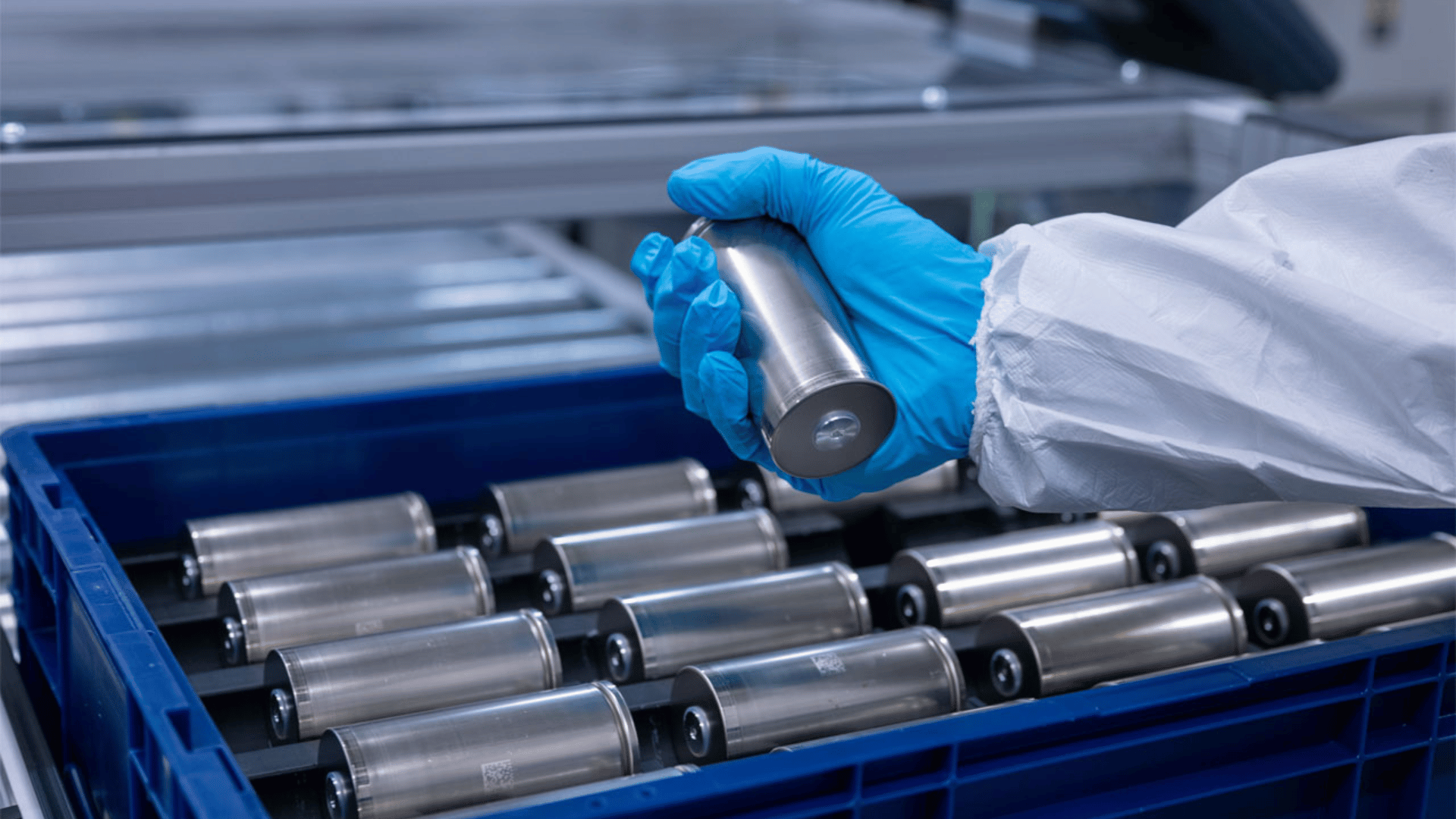
The new center works in tandem with two other Bavarian sites to keep everything in a closed loop. Ideas start at the development hub in Munich, move to Parsdorf for pilot production, and then any leftover materials or test cells head to Salching to be recycled. Once the Salching plant is fully operational, it’s expected to recover tens of tons of material every year.
Advertisement
BMW isn’t doing this alone. They’ve partnered with Encory, a joint venture that handles the logistics and operations of the 2,100-square-meter space. Even the building itself tries to keep things clean, using rooftop solar panels to help power the machines. When they built the place, they kept the work local, too. Aside from one Swiss firm, every company involved in the construction was German, and about half were located within 100 kilometers of the site.
The Bigger Picture For Batteries
This project is part of a wider strategy BMW calls “4Re,” which stands for Re:Think, Re:Duce, Re:Use, and Re:Cycle. The goal is to treat an old vehicle or a scrap battery as a source of raw materials rather than just trash.
By perfecting this mechanical recycling now, the company hopes the process can eventually be used on a much larger scale by battery manufacturers everywhere. For now, it’s a practical way to keep valuable resources moving through the factory doors rather than sitting in a landfill.