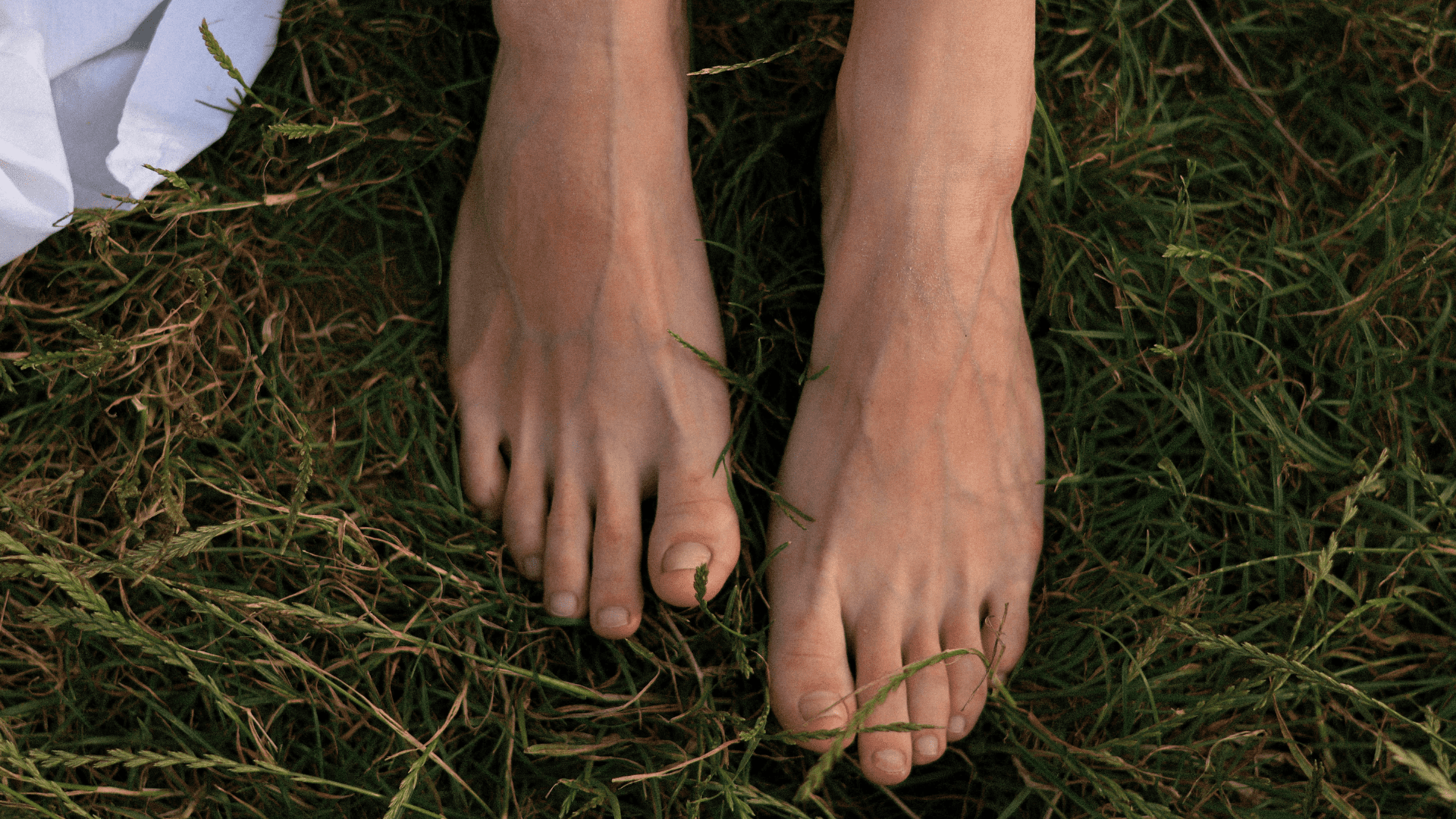
The toes look minor. They are easy to overlook, tucked at the end of the foot and rarely given a second thought until something goes wrong. So when someone faces the loss of a toe or part of the foot, the news often comes with a quiet assumption that recovery will be simple and the effect small. The reality is more nuanced. Toes and the forefoot do quiet, constant work in balance and walking, and losing them changes how the whole foot behaves.
The good news is that toe and partial foot amputations are among the most manageable levels of limb loss, and most people return to comfortable walking. Getting there well, though, depends on understanding what changed, protecting what remains, and using the right support. This article explains why these small parts matter, what recovery involves, and how prosthetic and orthotic care fits into the picture.
Why Toes Matter More Than People Think
Walking is a rolling motion. The heel lands, weight moves forward along the foot, and the toes provide the final push that propels the body into the next step. The big toe in particular carries a large share of that push-off force, and all the toes contribute to balance by spreading contact across the front of the foot.
Remove a toe or a section of the forefoot, and that push-off changes. The foot becomes shorter, the balance point shifts, and the remaining structures take on loads they were not designed to carry alone. People often notice they feel less stable, tire more quickly, or develop pressure in new places. These are not signs that something has gone wrong with the surgery. They are the predictable result of altered mechanics, and they are exactly what good rehabilitation and the right devices are meant to address.
There is also the matter of the big toe specifically. It bears a disproportionate share of the push-off load and contributes heavily to balance when a person stands on one foot or moves quickly. Losing it has a larger effect than losing a smaller toe, and rehabilitation reflects that difference. Knowing which structures were affected, and how much each contributed, helps explain why two people with toe amputations can have quite different experiences of recovery.
Recovery After Toe or Partial Foot Amputation
The first phase of recovery is wound healing. The surgical site needs time to close and settle, and during this period, the focus is on protecting the foot, managing swelling, and keeping the area clean and monitored. Many toe and partial foot amputations happen because of poor circulation or diabetes, which means healing can be slower, and skin care has to be especially diligent.
Once the foot has healed, attention turns to restoring function and comfort. For some people, a custom shoe insert and supportive footwear are enough. For others, a toe prosthesis or a partial foot device helps restore length, fill the space in the shoe, and bring back some of the natural roll of the foot. These devices are often lightweight and discreet, and beyond comfort, they serve a protective purpose by spreading pressure more evenly across the foot rather than concentrating it on vulnerable spots.
Rehabilitation also includes relearning balance and gait. A physical therapist can help retrain walking so the body adapts to the shorter foot smoothly, rather than developing a limp or compensations that strain the knee, hip, or back. The pace is usually quicker than for higher amputations, but it is still a process, and rushing back to long days on the feet before the foot is ready often backfires.
Swelling deserves particular attention in the early weeks. The foot and the surgical site often stay puffy for a time, and that swelling changes the shape the device has to fit. This is one reason an early device may be temporary or adjustable, with the definitive fitting waiting until the foot has settled. Pushing for a final device too soon can mean it no longer fits once the swelling resolves.
The Wider World of Prosthetic and Orthotic Care
Toe and partial foot devices sit within a much larger field, and seeing that bigger context helps people understand their options. The discipline that designs these devices covers everything from a small toe filler to a full artificial leg, and it splits into two related branches. Prosthetics replace missing body parts, while orthotics support, align, or protect parts that are still there, such as braces and custom insoles.
This is why a single clinic often provides a full range of prosthetic and orthotic solutions under one roof. Someone recovering from a partial foot amputation might need a prosthetic component to restore the missing section and an orthotic insert to support the rest of the foot at the same time. The two work together, and being assessed by professionals who understand both sides usually produces a more comfortable, durable result than treating each piece in isolation.
The professionals who do this work are specialists. A certified prosthetist-orthotist measures, designs, fits, and adjusts these devices, and they often coordinate with surgeons, physical therapists, and primary care doctors. For a foot that has lost part of its structure, that team approach matters, because comfort, healing, and long-term skin health all depend on getting the details right.
Knowing When to Seek Help
Advertisement
Part of recovering well is knowing when a problem needs professional attention rather than patience. A sore that does not begin to heal, skin that stays red or breaks down under a device, sudden swelling, or new pain while walking are all reasons to check in with a clinician promptly, especially for anyone with diabetes or reduced circulation. Small foot problems can escalate quickly when blood flow is limited, and early action is far easier than treating a wound that has been left too long.
It is equally worth returning if a device stops feeling right. A toe or partial foot device that once fit well can loosen or rub as the foot changes shape during the first months, and continuing to wear an ill-fitting device can do more harm than going without it for a short while. A quick adjustment is usually all it takes, but it only happens if the person speaks up rather than tolerating discomfort. Treating the care team as an ongoing resource, not a one-time stop, is one of the habits that separates a smooth recovery from a difficult one.
Footwear, Orthotics, and Protecting the Remaining Foot
For partial foot loss, what goes on and in the shoe is as important as any single device. The remaining foot is now doing more work over a smaller area, which raises the risk of pressure points, calluses, and, in people with circulation problems, more serious wounds. Thoughtful footwear and orthotic support are the front line of prevention.
Custom insoles can redistribute pressure away from sensitive areas, while shoes with a firm sole and adequate room reduce stress on the forefoot. For people who have lost the front of the foot, a rocker-bottom sole can help the foot roll through a step without forcing the remaining structures to bend in ways they no longer can. These are practical, low-tech measures, and they often make the biggest day-to-day difference.
Daily inspection becomes a habit worth keeping for life, particularly for anyone with diabetes or reduced sensation. Checking the foot for redness, blisters, or any small sore, and acting quickly when something appears, prevents minor irritation from becoming a major problem. Protecting the foot that remains is the surest way to keep mobility intact over the long run.
Shoe choice is not a one-time decision either. As activity increases and the foot adapts, what felt supportive at first may need rethinking, and people who stay in close contact with their care team can fine-tune footwear and inserts as they go. The small effort of getting this right is repaid many times over in comfort and in avoiding the wounds that derail progress.
The Emotional and Practical Adjustment
Even a small amputation carries an emotional weight that is easy to dismiss. People sometimes feel that because the loss is minor, they should not be bothered by it, and then feel surprised when they are. That reaction is normal. Any change to the body takes time to absorb, and adjusting to a different way of walking or to wearing a device can bring a stretch of frustration before it becomes routine.
Practical adjustments tend to come faster than people fear. Most learn to manage their footwear, care for the foot, and walk comfortably within a reasonable period, especially with guidance from their care team. Talking with others who have been through similar experiences can ease the transition, offering both reassurance and the small practical tips that only come from living it.
Routines also settle in faster when a person has clear, simple guidance to follow. Knowing exactly how to inspect the foot, how to clean and care for a device, and what warning signs to watch for removes much of the uncertainty that fuels worry. Confidence tends to grow alongside competence, and the practical steps and the emotional adjustment usually move forward together rather than separately.
Putting It in Perspective
Toe and partial foot loss is, in the larger landscape of limb difference, on the more recoverable end. Most people walk comfortably again, stay independent, and continue the activities they value. But that outcome is not automatic. It depends on patient healing, attentive foot care, the right footwear and devices, and professional guidance that treats the foot as part of a whole moving body rather than an isolated problem.
The parts that were lost may have been small, but the care that follows deserves to be thorough. A foot that is protected, supported, and properly fitted carries a person for decades. Giving it the right attention early, keeping up the simple habits that protect it, and returning for adjustments when something changes are what turn a difficult event into a manageable one and let people get back to standing, walking, and moving through their days with confidence.
This is a sponsored post by Search4online. All reviews and opinions expressed in this post are not based on the views and opinions of Tomorrow’s World Today.
 Read Exclusive Stories
 Bookmark & Save Articles For Later