Getting older often comes with a persistent ache in the knees or hips. For a long time, it was assumed that once your cartilage wears down, it’s gone for good. The only real “fix” has been managing the pain or eventually undergoing a total joint replacement. However, a new study from Stanford Medicine suggests we might be able to actually grow that cartilage back.
Researchers found that a specific protein, which they call a “gerozyme,” builds up in our bodies as we age. This protein, known as 15-PGDH, acts like a master regulator that breaks down the good stuff our tissues need to stay healthy. In mice, blocking this protein stopped cartilage loss and reversed it.
Bringing Cartilage Back to a Youthful State
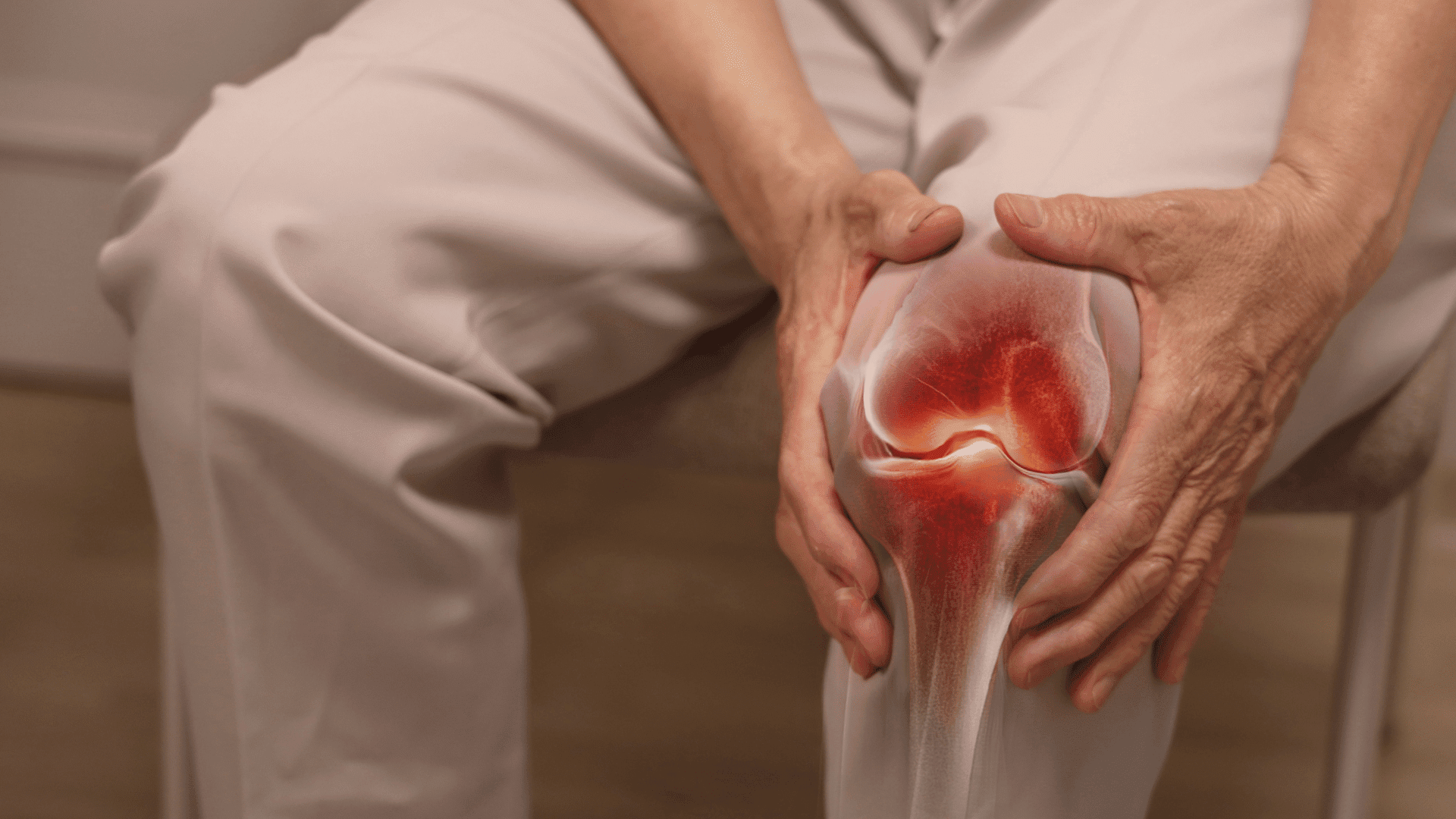
Usually, when scientists talk about regrowing body parts, they focus on stem cells. Interestingly, this treatment doesn’t use stem cells at all. Instead, it tells the existing cells in the knee (called chondrocytes) to flip a switch back to a more youthful state.
“This is a new way of regenerating adult tissue, and it has significant clinical promise for treating arthritis due to aging or injury,” said Helen Blau, PhD, a professor at Stanford. “We were looking for stem cells, but they are clearly not involved. It’s very exciting.”
Advertisement
The study also looked at ACL tears, the kind of injury that often leads to arthritis years down the road for athletes. When mice with these injuries were given the treatment, it stopped the disease from developing. Promisingly, when the team tested the treatment on human tissue from knee replacement surgeries, the cells started making new, functional cartilage again.
Looking Ahead
The goal is to turn this into a simple oral drug or a local injection. Since a version of this treatment is already being tested in humans for muscle weakness, it might not be a lifetime away from helping people with joint pain.
“Millions of people suffer from joint pain and swelling as they age,” said Nidhi Bhutani, PhD, an associate professor of orthopaedic surgery. “It is a huge unmet medical need.”
“Until now, there has been no drug that directly treats the cause of cartilage loss,” Bhutani added. “But this gerozyme inhibitor causes a dramatic regeneration of cartilage beyond that reported in response to any other drug or intervention.”
If this pans out, the future of joint health might involve a lot less surgery and a lot more natural repair.