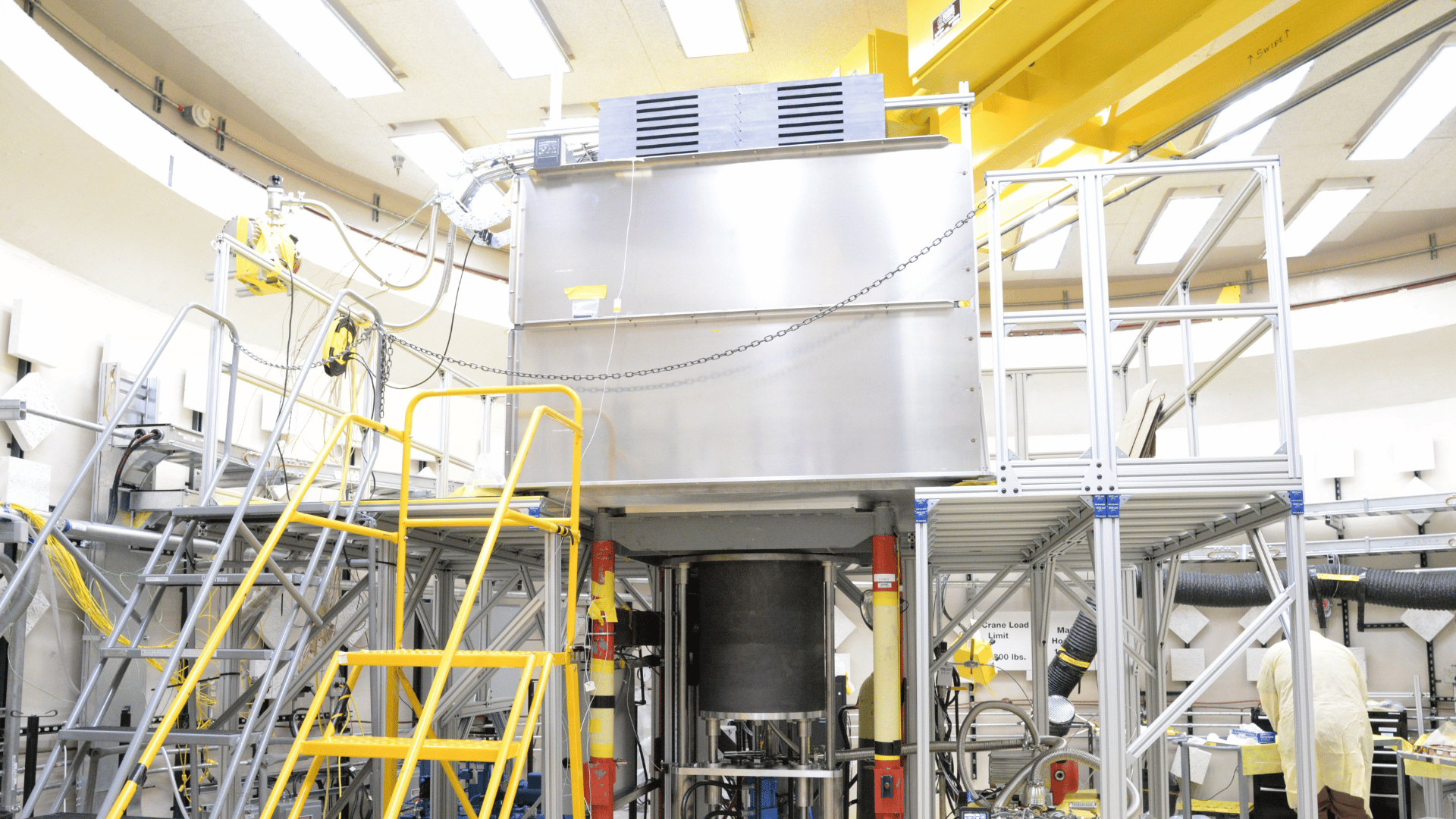
The U.S. Nuclear Regulatory Commission (NRC) granted Holtec a special exemption allowing the company to begin installing support and cutoff walls for Pioneer Units 1 and 2 at the Palisades Energy Center in Covert, Michigan.
Getting the approval is a major step toward starting site construction early.
Holtec can now begin preparing the site before it gets its official Limited Work Authorization. This is essential because it creates a stable foundation now, which will help speed up the whole process of building the plant later on.
Preparing the Ground
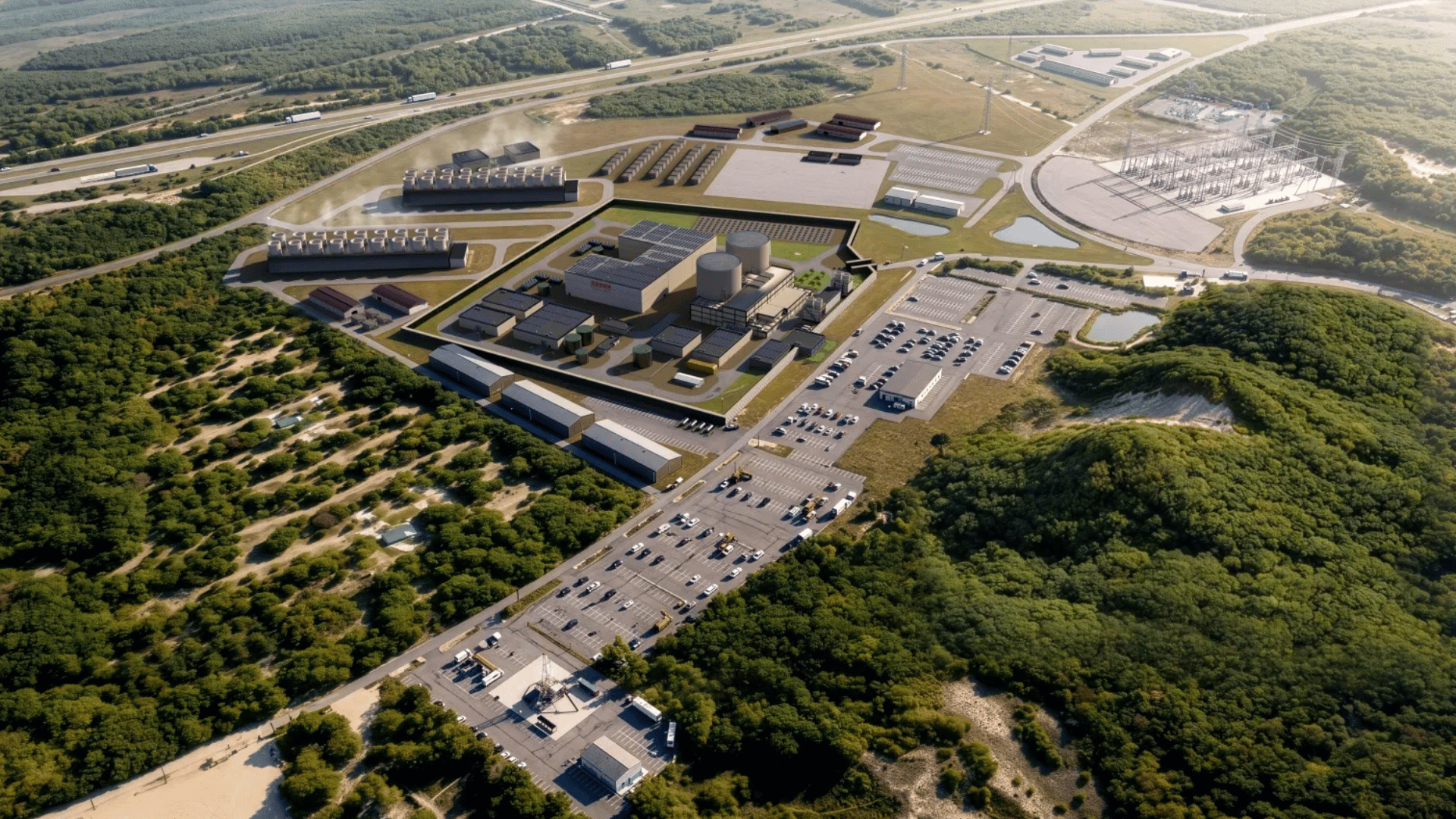
The work involves putting in special underground walls, including diaphragm walls, soldier-pile soil-mix walls, and perimeter cutoff walls. These structures stabilize the dug-out areas, protect nearby buildings and utility lines, and control groundwater. All of this makes the construction site safe.
Advertisement
Once the building is done, these support walls will just be left in place. The construction crew will fill the space between these walls and the permanent plant structures with dirt.
This early approval enables Holtec to get a head start on excavation, water removal, and ground improvement for the Nuclear Island, Turbine Island, and Balance of Plant structures.
Keeping Things Safe
Before giving the green light, the NRC had to determine if everything was safe. On August 25, they released an environmental assessment. They found that this early wall work won’t harm the environment or historic sites. So, no major environmental impact statement was needed for this specific exemption.
The NRC also confirmed this step is perfectly legal and safe for the public. However, Holtec still has strict rules to follow, including mapping the underground geology. At the same time, they dig, calling the NRC to inspect the open holes, and prove that these leftover walls won’t compromise the soil’s stability.
It is worth noting that this exemption doesn’t guarantee that Holtec will receive its final construction permits.
 Read Exclusive Stories
 Bookmark & Save Articles For Later