Idaho National Laboratory (INL) just got a green light that brings us one step closer to a new kind of nuclear power. The U.S. Department of Energy recently approved a key safety document for a microreactor called MARVEL. This document is the blueprint that allows researchers to start building and testing this mini-power plant.
MARVEL is designed to be small for a reason. It’s a sodium-potassium-cooled reactor meant to produce about 100 kilowatts of heat and 20 kilowatts of electricity. To put that in perspective, it’s not meant to power a whole city, but it’s perfect for research and showing how these tiny reactors can work for specific, smaller needs.
Testing the Advanced Nuclear Reactor
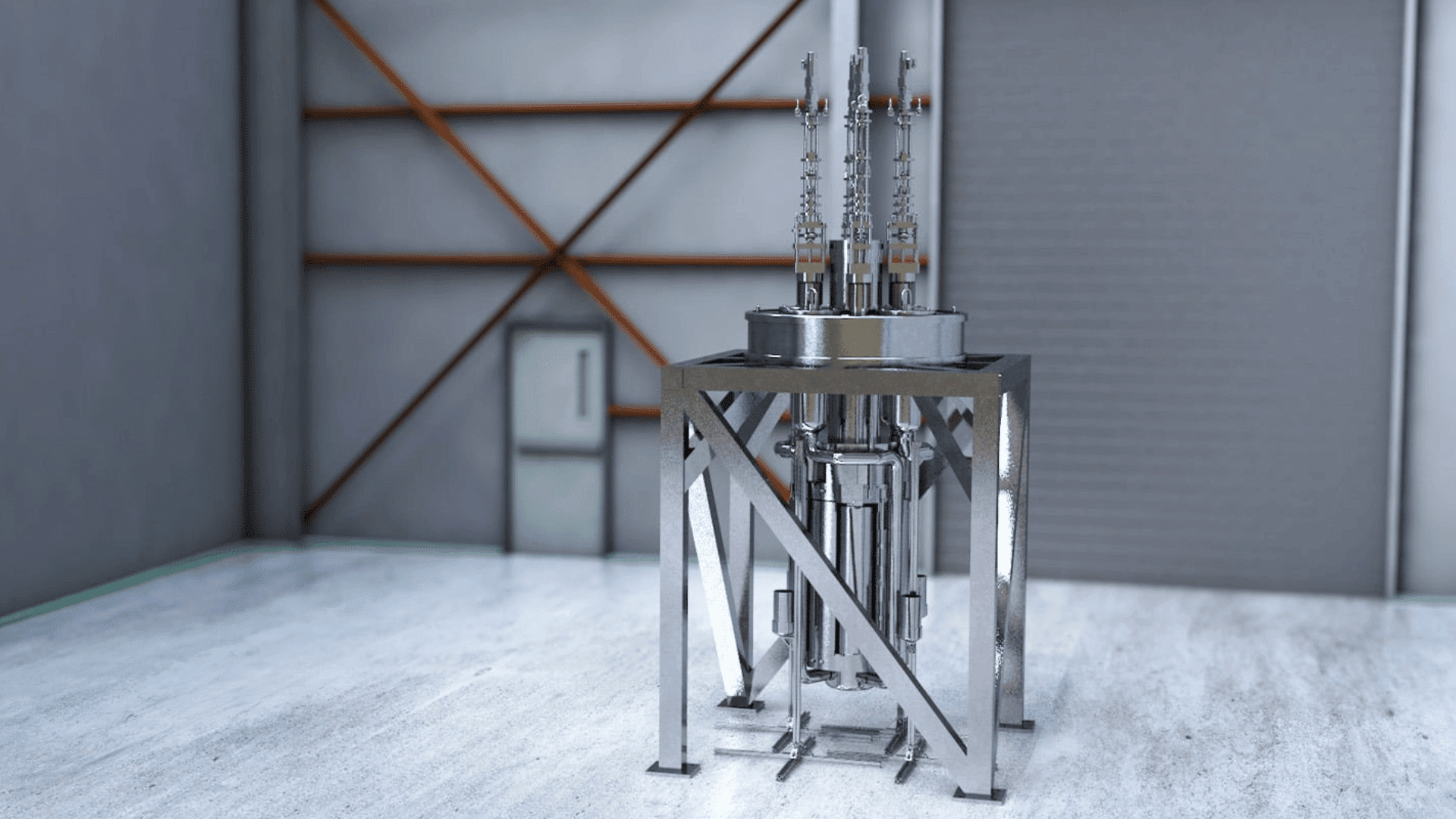
The newly approved plan covers something called “dry initial criticality.” This is basically a low-power experiment to see how the physics of the reactor behave before they crank it up to full power.
The team used a risk-informed approach. Instead of just following old checklists, they used modern data and modeling to guide their design decisions. This process is already helping other projects, like the Pele and VALKRE reactors, move forward more smoothly.
Advertisement
“This is more than just a regulatory requirement — it’s a blueprint for the future of advanced nuclear,” said INL’s Abdalla Abou-Jaoude, the MARVEL microreactor lead. “By receiving approval for our safety documentation, we are now able to share this template with developers to learn from our process and streamline their own timelines.”
What’s Next for MARVEL?
The next step involves setting up the experiment at the Transient Reactor Test Facility in Idaho. By breaking the process into phases, the team can find and fix potential issues early on rather than waiting until the very end.
“This is a pivotal moment,” added John Jackson, national technical director for the DOE Office of Nuclear Energy’s Microreactor Program. “We’re proud to play a leading role in helping to make microreactors commercially available.”
Now that the safety basis is set, the team will focus on the final assembly and loading the fuel. It’s a slow and steady process, but it’s a necessary one to move these small-scale power sources into the real world.