The Tennessee Valley Authority (TVA) was selected to receive a major $400 million grant from the U.S. Department of Energy. The purpose of this grant is to accelerate the deployment of the nation’s first Generation III Small Modular Reactor (SMR) at its nuclear site in eastern Tennessee.
Congress established this significant federal investment in 2024 to strengthen the U.S. domestic nuclear energy. The investment targets commercial operation in the early 2030s.
TVA’s Clinch River project is historic because it puts the energy firm as the first U.S. utility to have a construction permit application for GE Vernova Hitachi Nuclear Energy’s BWRX-300 SMR accepted by the Nuclear Regulatory Commission. According to TVA, the facility is designed as a “national model” for how compact, flexible, and efficient SMRs can be deployed.
Laying the Groundwork for Reliable Nuclear SMRs
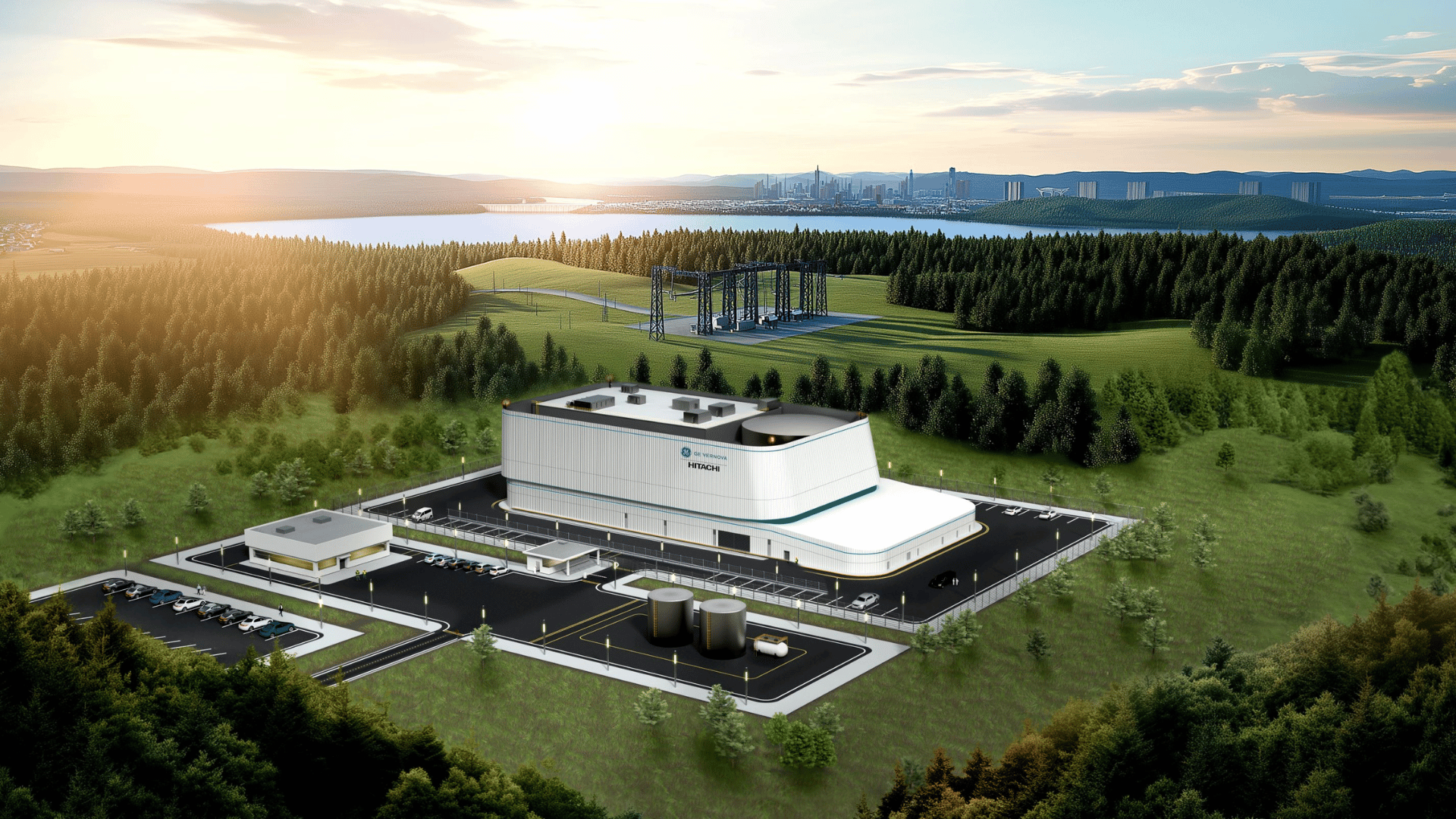
TVA’s “national model” SMR deployment lays the groundwork for deploying these reactors safely, efficiently, and affordably, paving the way for broader adoption.
Advertisement
“This award affirms TVA’s continued leadership in shaping the nation’s nuclear energy future,” said Don Moul, TVA President and CEO. “With DOE’s support and the strength of our partners, we’re accelerating the deployment of next-generation nuclear, reducing financial risk to consumers, and strengthening U.S. energy security.”
Moul added, “This is how we deliver reliable, affordable energy and real opportunity for American families.”
TVA states that it has a National New Nuclear Vision, aimed at achieving critical national goals. According to the firm, the program seeks to “stimulate” American manufacturing of critical nuclear components, train the next generation of nuclear professionals, and establish a framework for SMR deployment across the country.
Moreover, deploying advanced nuclear power is viewed as a crucial step in meeting the country’s growing domestic energy needs. Primarily, this energy demand stems from the growing number of data centers required to power AI.
“As AI, data centers, and digital infrastructure drive unprecedented energy demand, we’re building our nation’s nuclear energy foundation right here in the Tennessee Valley,” said Moul. “This is about more than innovation, it’s about creating lasting opportunity, lowering energy costs, and securing a better tomorrow for American families today.”