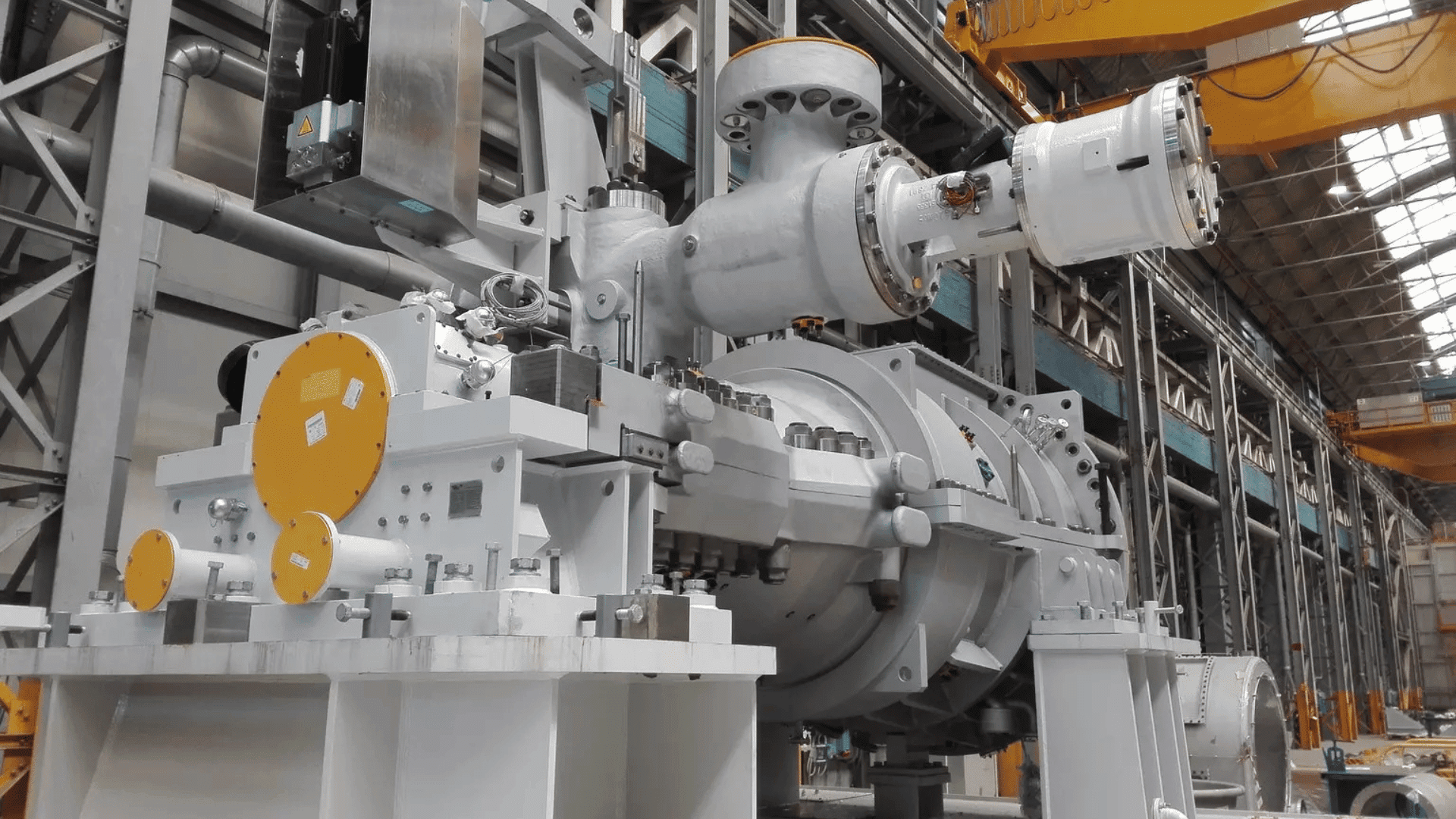
Small, modular nuclear reactors seem to be the energy answer to powering massive data centers. Aalo Atomics is focused on building these compact plants and recently hit a major milestone. They’ve teamed up with energy tech veteran Baker Hughes to secure a 10 MWe steam turbine generator for their experimental reactor, known as Aalo-X.
The order was placed late in 2025, and the companies are already working together on the “power island” of the reactor. The goal is to get the turbine delivered by the end of 2026. This move puts Aalo in a strong position to be one of the first advanced reactor companies to plug into a data center.
“Baker Hughes’ steam turbines draw their high efficiency and reliability from decades of development and in-field experience and will provide us with the proven industrial-grade components we need to achieve criticality this year,” Yasir Arafat, the CTO of Aalo Atomics, said. “What’s more, Baker Hughes’ modular design approach mirrors Aalo’s focus on creating modular reactors, making it an ideal supplier and collaborator.”
Real Progress in Idaho
Advertisement
While the turbine is a big piece of the puzzle, Aalo has been busy on the ground, too. Their Aalo-X project at the Idaho National Laboratory (INL) has already broken ground and finished its design reviews. They even secured an environmental determination from the Department of Energy that helps speed up the review process.
The data centers need a ton of steady power that wind and solar cannot provide. That’s why companies are turning to smaller nuclear plants. They are designed to be flexible and reliable, which fits the needs of modern tech infrastructure perfectly.
“Small, advanced nuclear facilities have the potential to play a significant role in generating sustainable and reliable power for data centers,” said Alessandro Bresciani, Senior Vice President of Energy Equipment at Baker Hughes. “We are excited to be collaborating with Aalo on this journey, providing them with an innovative solution that can efficiently address growing data center energy needs.”
By using modular designs, both companies hope to avoid the massive delays and costs usually associated with old-school nuclear projects. If this experimental reactor succeeds, it could change how we think about powering the internet.