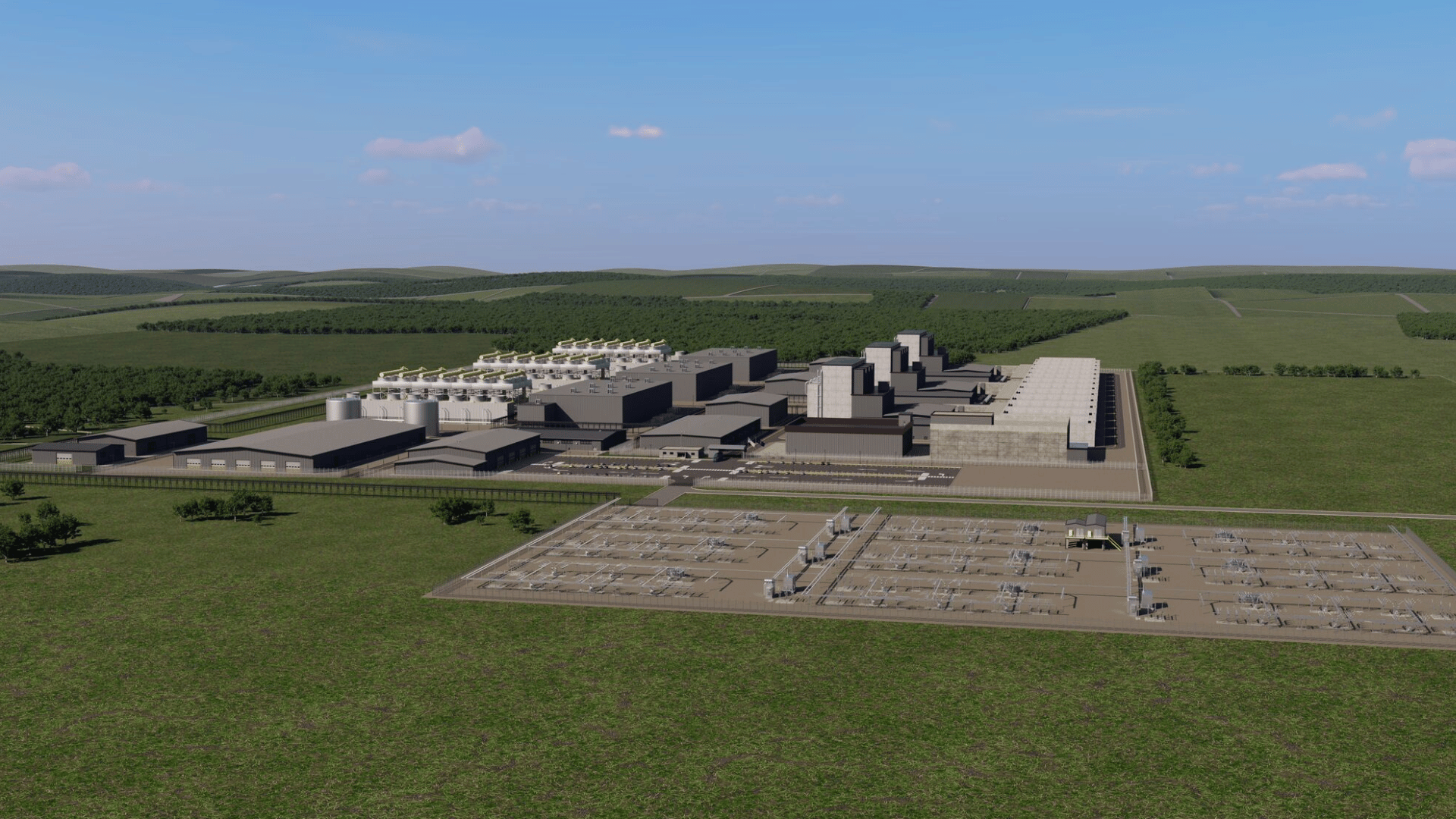
Amazon, X-energy, and American Electric Power (AEP) signed an agreement to build a new advanced nuclear plant in Indiana. The plan calls for 12 small modular reactors, known as SMRs, that will generate 960 megawatts of carbon-free energy. That power will supply both Amazon’s data centers and the local electricity grid.
Amazon is funding the project development and will buy the plant’s power once it opens. It is the second project resulting from Amazon and X-energy’s partnership, which aims to add more than 5 gigawatts of nuclear power to the U.S. grid by 2039.
By now, we all most likely know what’s happening: electricity demand is rising fast due to electric cars, manufacturing, and AI. As a result, the grid needs reliable power sources that run all day and night without creating carbon emissions.
Relying on Advanced Nuclear Reactors
Advertisement
The technology relies on X-energy’s Xe-100 reactor, an 80-megawatt model cooled by helium gas. It uses TRISO fuel, which the U.S. Department of Energy calls the “most robust nuclear fuel on Earth” for its ability to handle extreme heat.
Because of how the fuel and helium coolant work together, the physics of the reactor stop meltdowns from happening. It does not need active mechanical systems or human intervention to stay safe. That safety profile and a smaller footprint mean companies can build these reactors closer to where people actually use electricity. They can also use air cooling instead of water, which helps in dry regions.
AEP and its subsidiary, Indiana Michigan Power, will operate the plant. They have run nuclear facilities for over 50 years. The proposed site is the former home of the coal-fired Breed Generating Station. Construction could create over 1,000 jobs, alongside 100 permanent positions.
Amazon also signed the White House Ratepayer Protection Pledge, promising to cover its own electricity costs and infrastructure needs. Thanks in part to revenue from big customers like Amazon, AEP announced plans to drop residential rates by $100 starting in 2027 and freeze them for three years.
 Read Exclusive Stories
 Bookmark & Save Articles For Later