Data centers are the backbone of the digital world, but they require massive amounts of electricity. In fact, they use as much power as millions of homes every year. About 40% doesn’t even go toward processing data. Instead, it’s spent on the cooling systems needed to keep the hardware from overheating.
Researchers at Penn State are taking a new approach to solve this problem. They’ve developed software that uses a physics-based AI model to help data centers cool down more efficiently. By analyzing real-time weather and electricity prices, the system can figure out the best times to adjust cooling.
“Cooling currently accounts for about 40% of a data center’s total electricity use — it just goes to keeping the data center operational,” said Wangda Zuo, a professor of architectural engineering at Penn State. “On top of that, operators must navigate extreme environmental conditions like high ambient temperatures that raise cooling costs, as well as economic factors like volatile electricity and Bitcoin prices when mining for the cryptocurrency. These factors can sharply narrow profitability windows for some facilities.”
Simulating a Better Way to Cool Data Centers
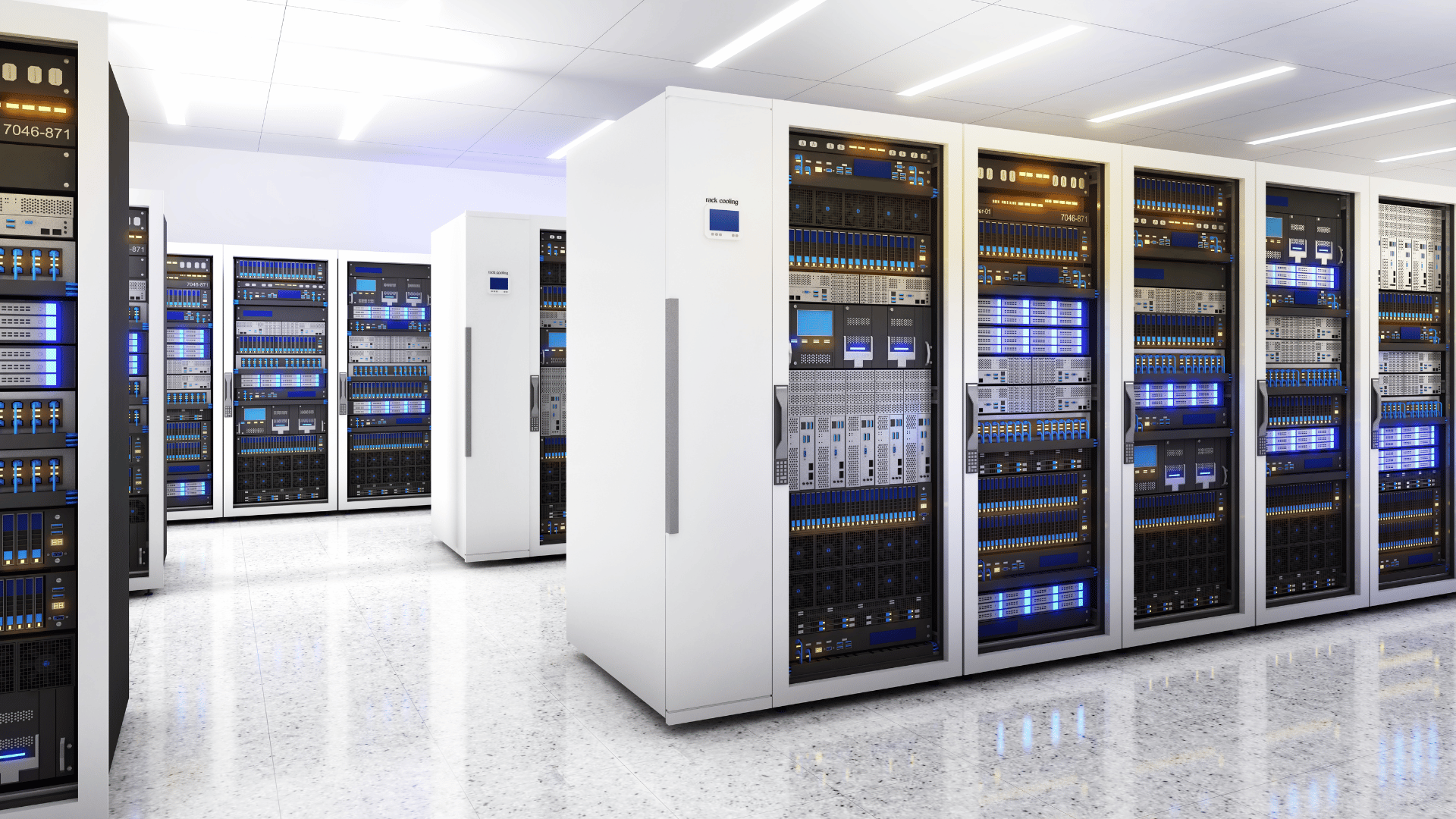
The team’s approach relies on a “digital twin.” For their study, the researchers simulated a facility in Houston, Texas, a very hot and humid city, to see how the AI handled tough conditions.
Advertisement
While some data centers use static cooling targets that stay the same regardless of what’s happening outside, this can lead to huge bills when electricity prices spike. The Penn State team wanted to find a middle ground where the cooling could be flexible but still safe for the equipment.
“Traditionally, data centers are cooled to static thermal targets, which can lead to substantial financial losses when electricity prices are high,” Zuo said. “The cooling options that do offer AI-informed shifting require extensive training data and cannot effectively react to unfamiliar situations.”
Zuo added, “We wanted to design software that can account for external conditions and better guide these shifts.”
By teaching the AI the physical limits of the hardware, the team ensures the system doesn’t get too aggressive with energy savings. Viswanathan Ganesh, a doctoral candidate at Penn State, noted that they integrated hardware operational ranges directly into the model.
“Each hardware component used to cool a data center has its own operational ranges that cannot be violated, so we integrated them into our modeling,” Ganesh said. “We can massively increase efficiency, while ensuring that our agent instructs the centers to adhere to recommended temperatures.”