Every October, porch steps light up with glowing orange faces. We call them jack-o’-lanterns. Carving pumpkins seems like a simple seasonal tradition. But the story behind this harvest custom connects directly to inspiration, creation, innovation, and production.

Irish Folklore and Tough Turnips
The idea started centuries ago in Ireland and Scotland. Old Celtic folklore told the story of Stingy Jack. He tricked the Devil and lost his spot in both heaven and hell. Jack ended up wandering the dark night with a glowing coal inside a carved turnip.
People wanted to scare away Jack’s ghost and other bad spirits during Samhain. So, they found inspiration in Jack’s story. They carved terrifying faces into turnips, beets, and potatoes. They placed candles inside and set them by the doors to guard their homes.
A Better Native Fruit
Irish immigrants brought this habit to North America in the 1800s. They quickly noticed a native American crop. Large, bright orange pumpkins grew everywhere in autumn.
Carving a rock-hard turnip was tough work. Pumpkins offered a far better canvas. Their soft flesh was easier to hollow out. Their large size made the glowing faces easier to see. People shifted their custom from small root crops to giant squash. A brand new holiday creation was born.
Specialized Tools and Stencils
Advertisement
For decades, people used simple kitchen knives to cut basic geometric eyes and jagged teeth. That changed in the late 1980s. A teacher named Paul Kepple wanted an easier way to carve detailed faces with his family.
He designed small, flexible saw blades that cut smooth curves without snapping. He also created paper stencils. Carvers poked tiny holes through paper to transfer intricate patterns onto the pumpkin skin. This simple innovation turned a messy chore into a precise art form.
Lasers, Algorithms, and Preservation
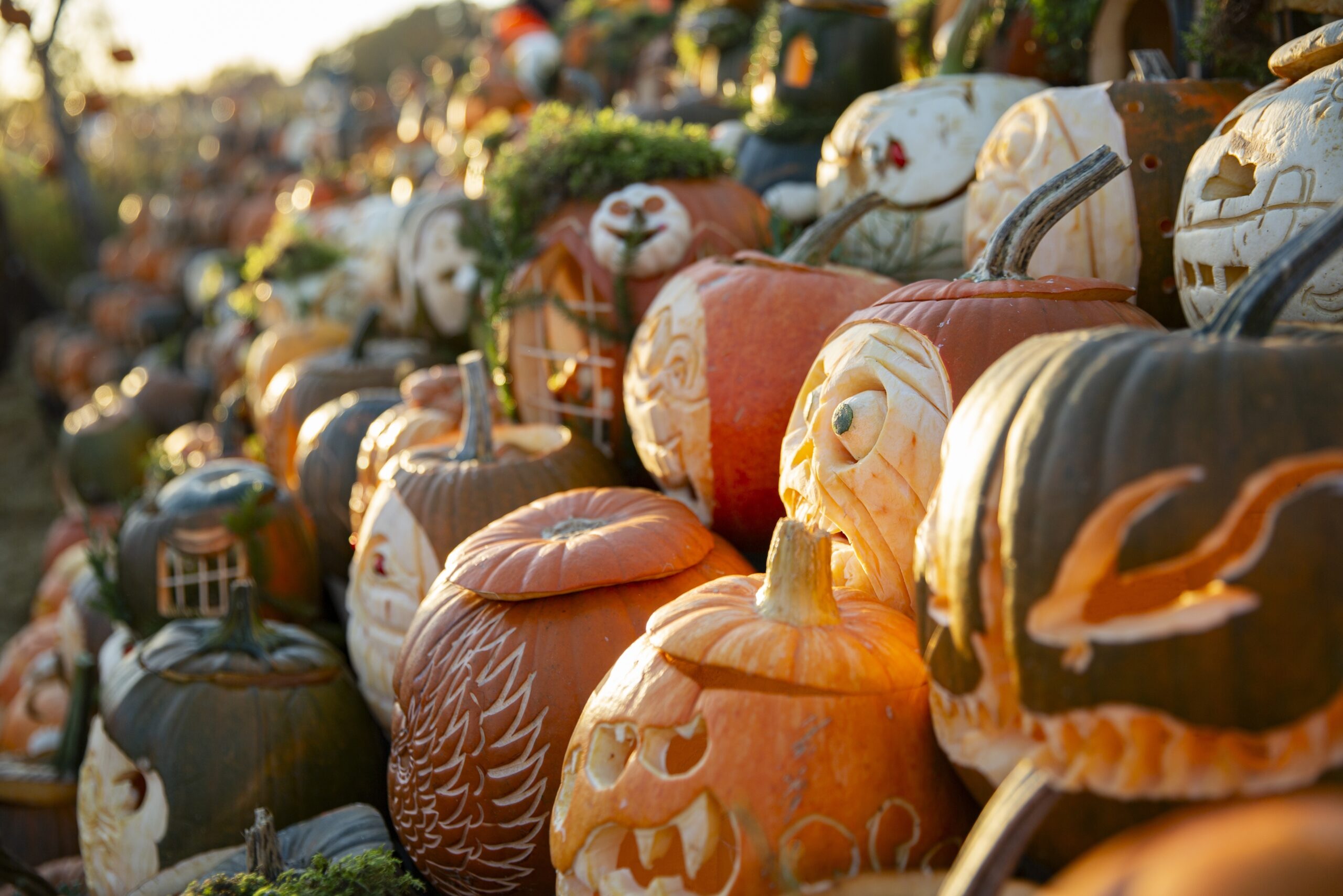
Pumpkin carving relies on advanced tools. Professional artists do not just use small hand saws. They use algorithmic software to plan complex 3D portraits. Some display teams use industrial laser cutters. Laser beams burn ultra-precise designs into the outer skins of pumpkins in seconds.
Growers use modern plant breeding to produce sturdy pumpkins with flat bottoms and thick handles. Chemical engineers even formulate eco-friendly sprays to keep carved pumpkins from rotting fast in the sun.
What started as a carved turnip on a windy Irish porch became a massive autumn tradition. It proves how human hands take old folklore, adapt to local resources, and use clever tools to keep traditions alive for tomorrow’s world.
 Read Exclusive Stories
 Bookmark & Save Articles For Later