The Pokémon universe consists of over 900 different imaginative creatures, with its artwork often based on plants, animals, and even mythological creatures from our own world.
The connection between Pokémon creations and the natural world goes back to Satoshi Tajiri, the creator of Pokémon. Tajiri was an avid insect collector as a child, which inspired the game’s famous collecting concept. Pokémon games also feature themes of climate change, ecological vulnerability, and extinction.
Here are a few real animals that directly inspired the designs of specific Pokémon.
Dragalge – Leafy Seadragon
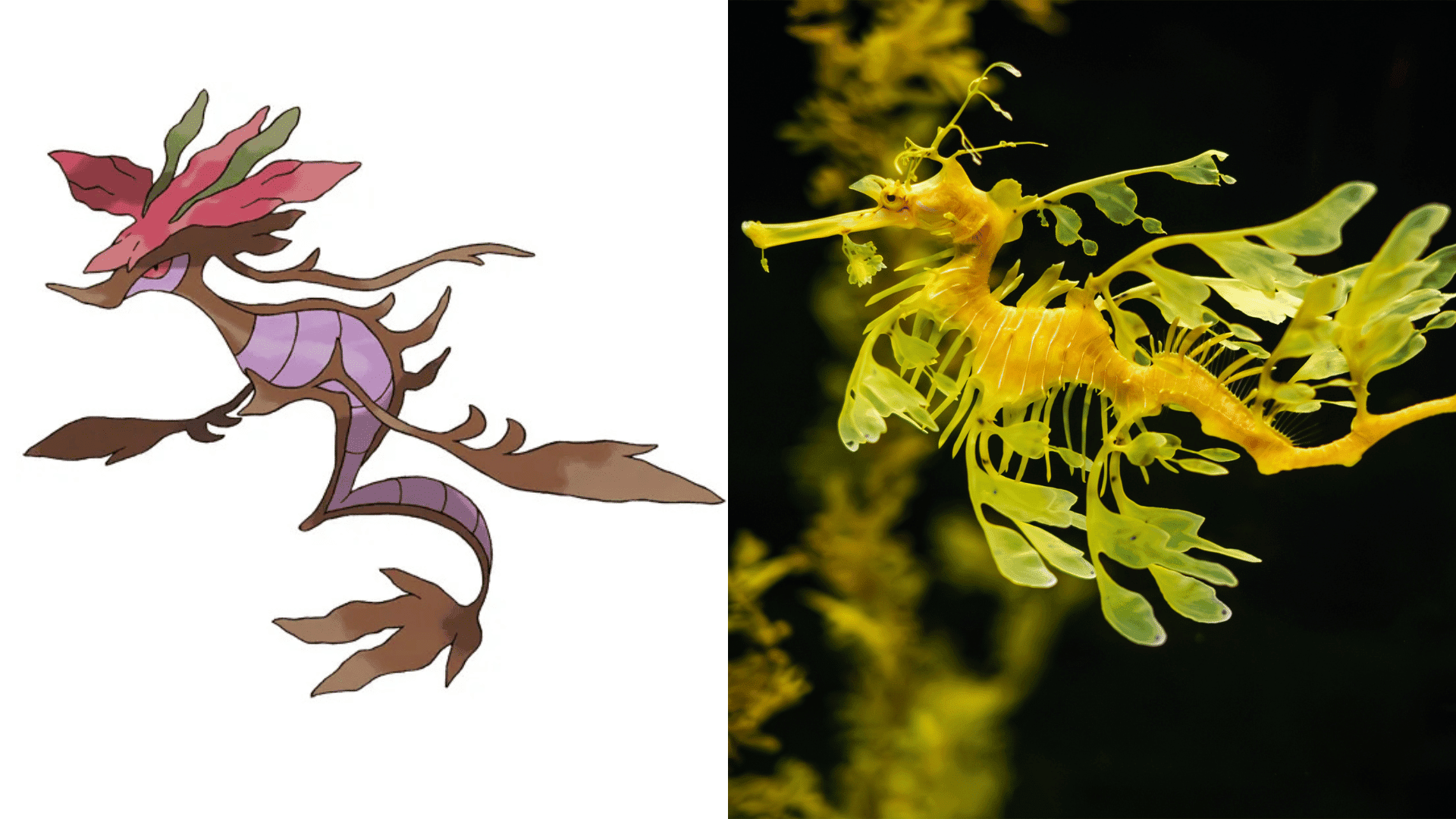
This aquatic Pokémon was inspired by a leafy seadragon, a species of marine fish found off the coast of Australia. Unlike its Pokémon counterpart, which sprays a corrosive poison, the real leafy seadragon is harmless, avoiding predators through camouflage that allows it to blend in with the seaweed.
Drowzee – Malayan Tapir
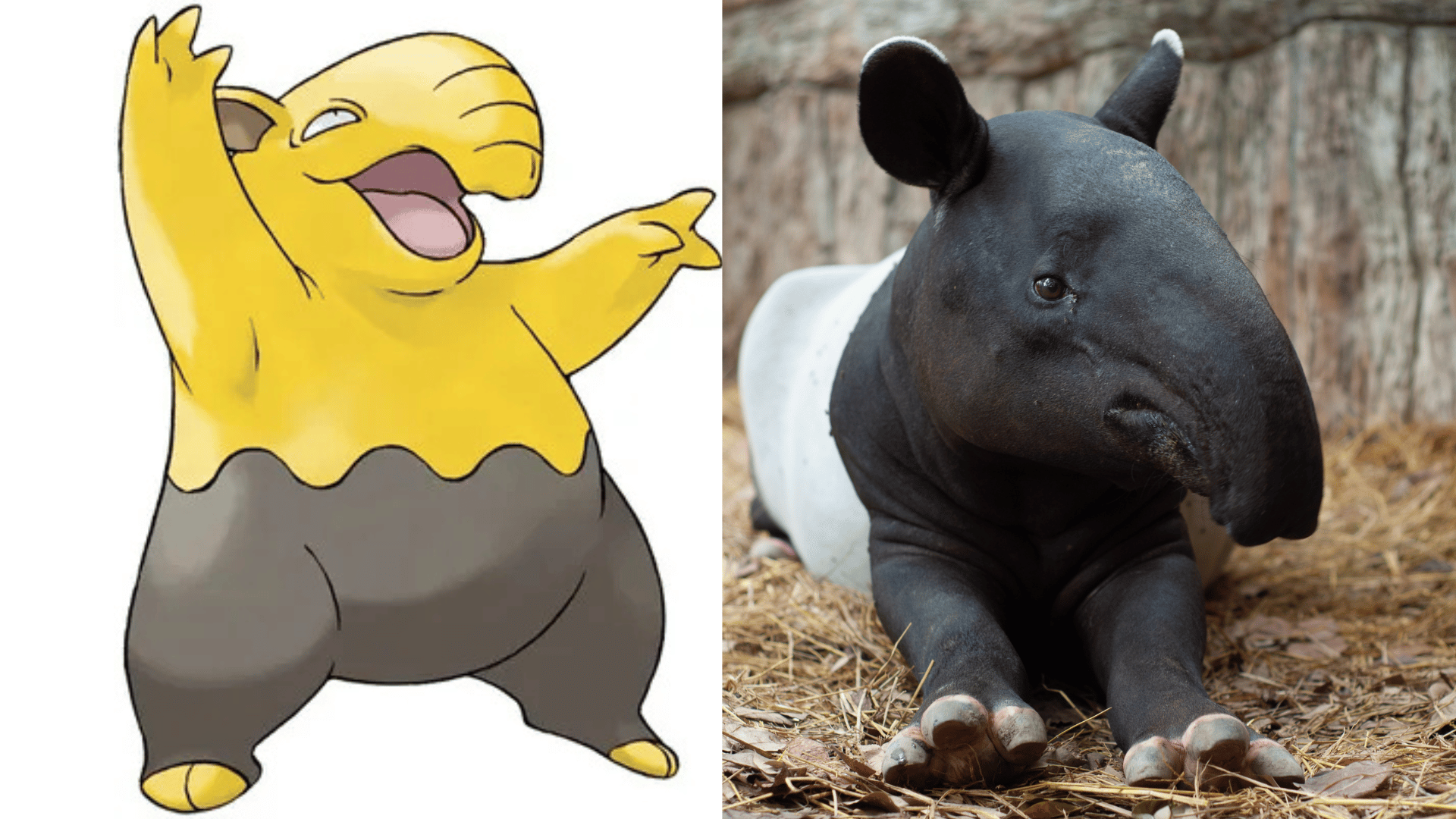
The short, flexible trunk of the Tapir was the inspiration for the design of the famous Pokémon, Drowzee. Though there are many species of tapir, Drowzee most closely resembles the Malayan variety, which also has a body with two contrasting colors. These mammals are a little over 3 feet tall and use their prehensile trunks to rip fruit and vegetation from branches.
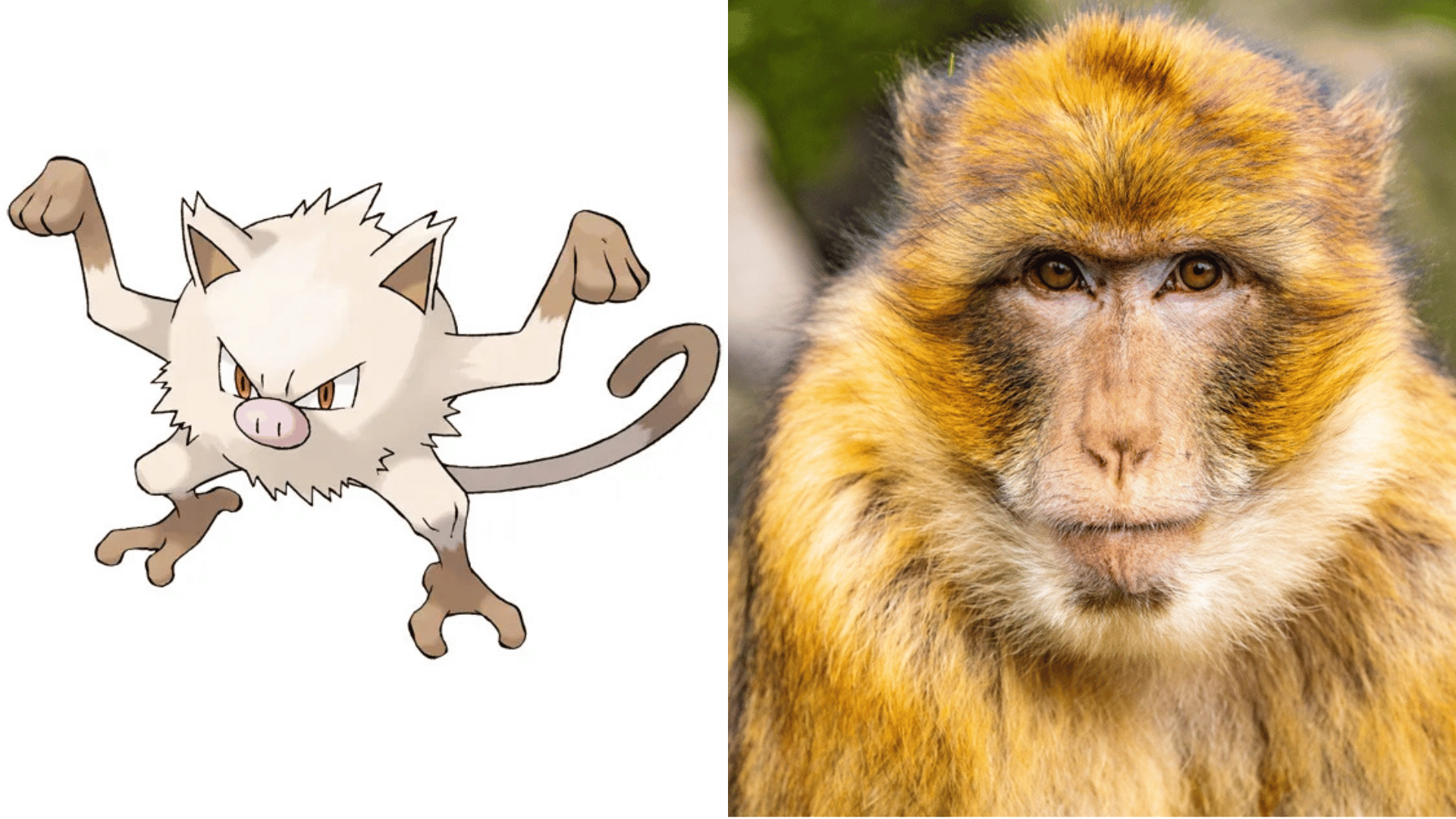
Mankey – Barbary Macaque/New World Monkey
Advertisement
Though it’s not a direct resemblance, some have suggested that Mankey was inspired by a Barbary macaque or, based on its tail, a New World monkey. New World monkeys have prehensile tails, meaning they use them like an extra hand to grasp branches and support their body weight.
Psyduck – Platypus
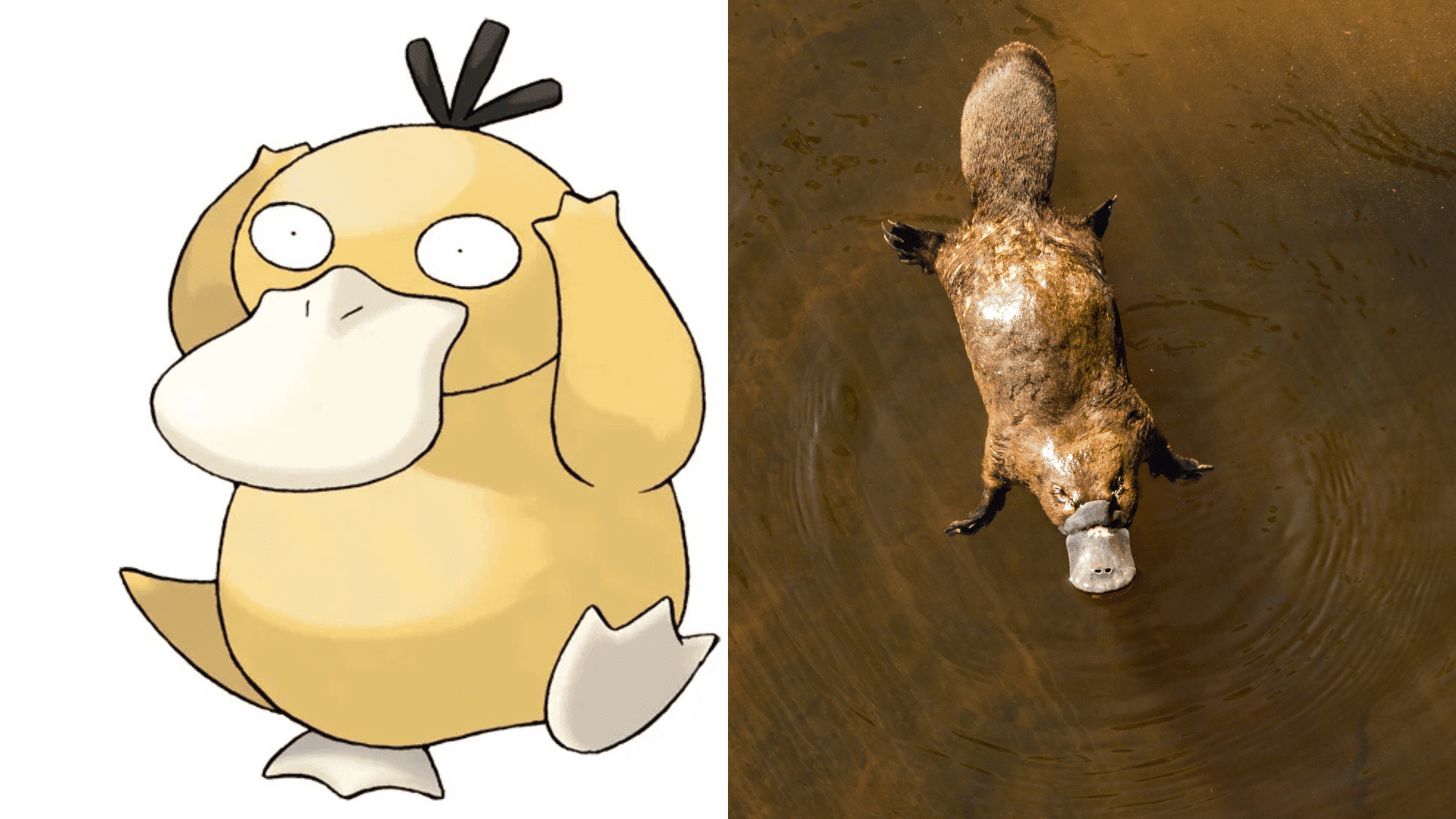
Based on its appearance, Psyduck is obviously inspired by the platypus. Similar to the real platypus, the Pokémon has both hair and a duck-like bill. They’re both also semi-aquatic, found primarily in ponds, rivers, and freshwater lakes.
Poliwag – Translucent Tadpoles
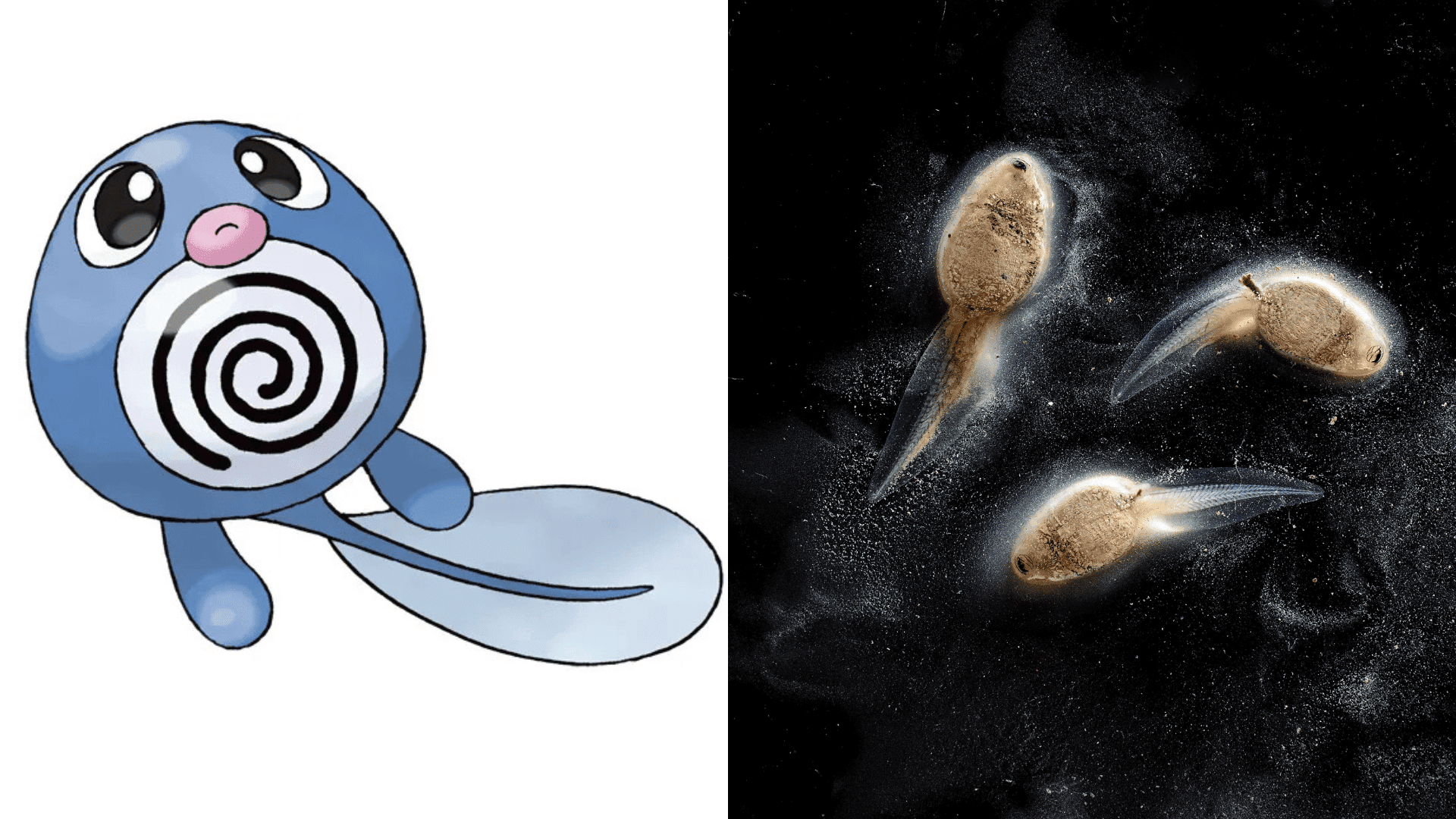
Translucent tadpoles resemble the creation of Poliwag in both looks and habitat. These types of tadpoles are albino or missing some skin pigments, giving them a ghostly appearance and showing some of their inner organs, which is represented in the Pokémon design by the spiral on Poliwag’s underside.
Dewgong – Dugong
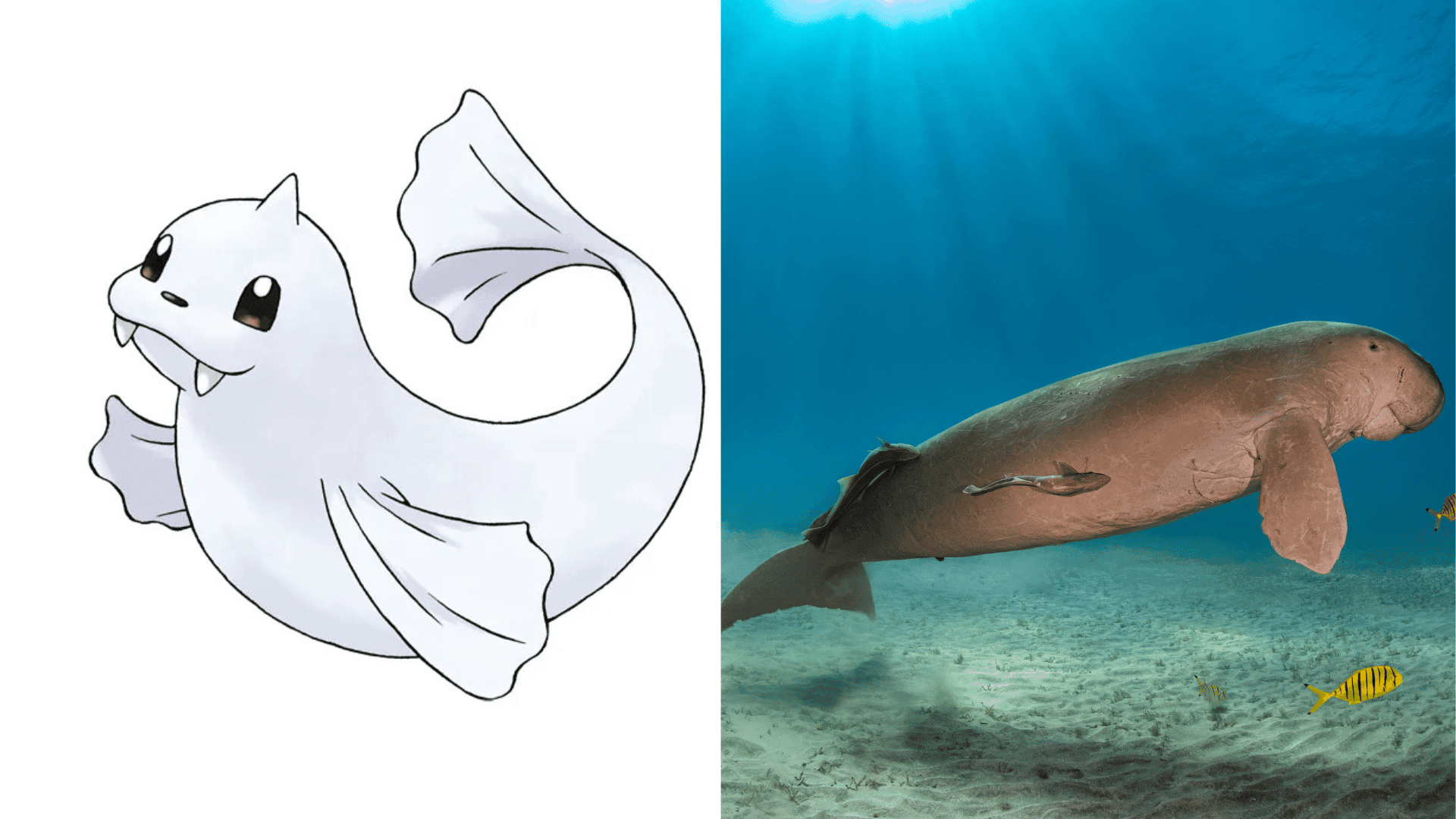
Though the Pokémon design features some attributes similar to a beluga whale or narwhal, the creature is based on a Dugong, which shares almost the same name. Also known as sea cows, dugongs are sedate and can typically be foun d eating seagrass in the Pacific and Indian oceans. Though its outward appearance and name are similar, this Pokémon differs from its real-world counterpart, which prefers living on icebergs in cold waters.