A new exhibition at the Henry Moore Institute titled Phantasmagoria: Folkloric Sculpture for the Digital Age explores how digital technologies are reshaping what sculptures can be and how we tell stories.
Phantasmagoria: Folkloric Sculpture for the Digital Age
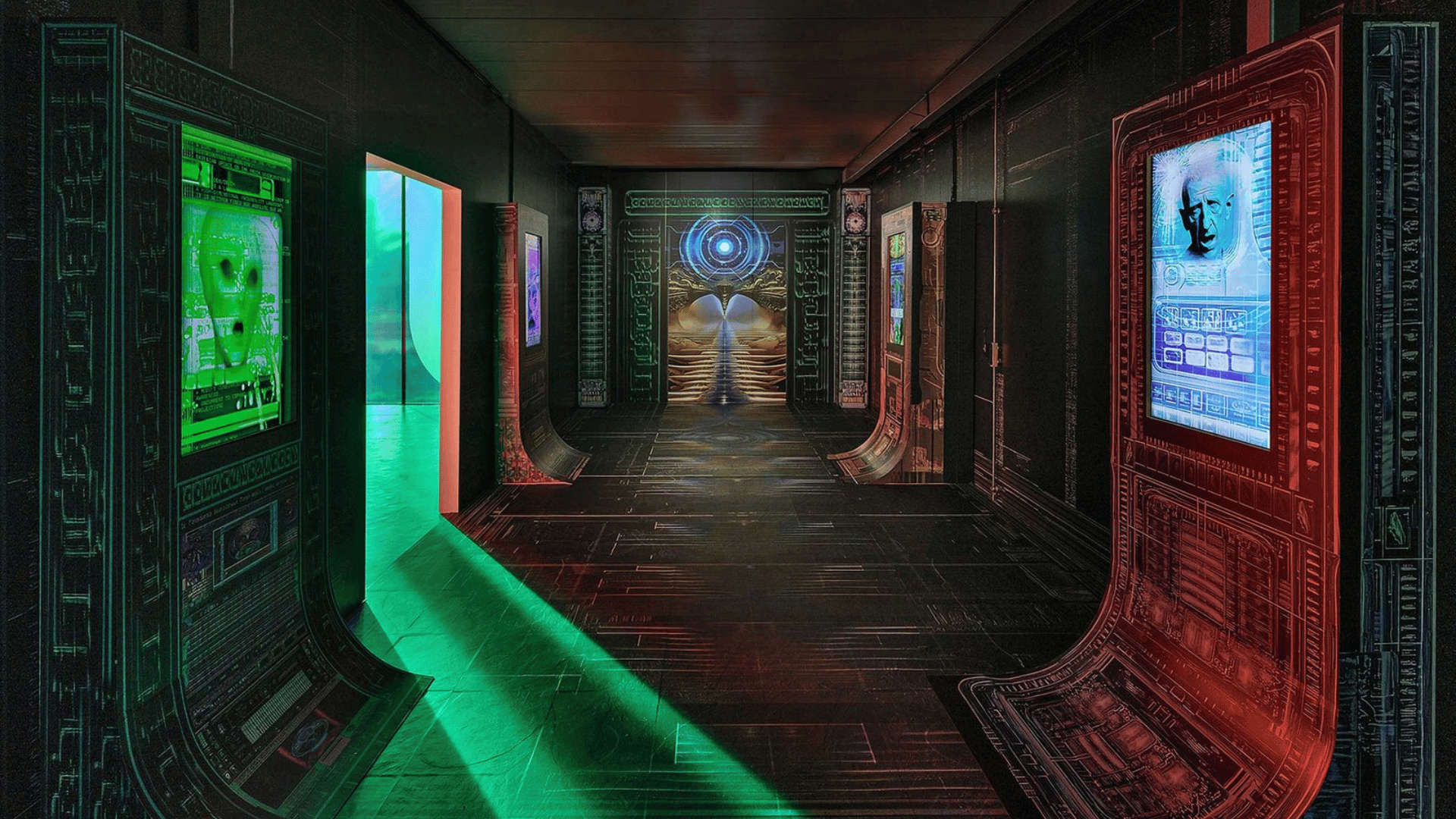
The show utilizes sculpture, moving image, video games, performance, and installation to compare and juxtapose folklore and the digital age. The exhibit comments on how, throughout the past decade, we’ve seen a resurgence in folk traditions alongside the growth of AI, social media, and gaming.
The title of the exhibition refers to an 18th-century theatrical practice that used magic lanterns and light projections to create an environment that blends illusion and entertainment. Ancient narrative structures are shaped by platform-based media, AI manipulation, and 3D printing, demonstrating how storytelling continues to shape the world today.
Advertisement
Some of the works featured in the show examine how digital media produces shared role-playing environments that blend reality and invention. Nina Davies, for example, responds to TikTok trends in which users mimic AI-generated videos. And a new commission by Steph Linn and Philip Speakman reimagines the 16th-century Kett’s Rebellion through sculptural structures and vertical-format video.
Isaac Lythgoe created hybrid sculptures that combine industrial processes and organic matter to blur the differences between human, animal, and synthetic beings. Another piece by Joey Holder constructs research-driven fictional worlds where myth and speculative science intertwine.
A programme of events will also accompany the exhibition, including performances by Joe Moss and Nina Davies, as well as a podcast series featuring newly commissioned audio works. The exhibition will run from May 15 to August 31, 2026, and will be free to enter.
“Together, the works in Phantasmagoria invite audiences to reconsider sculpture as something that moves fluidly between the material and the digital, the factual and the fictional,” according to a press release.
“The exhibition asks how new forms of image-making and storytelling are reshaping knowledge, community and belief, and what role sculpture might play in navigating these transformations.”