The largest and most significant renovation of the National Gallery in London will be designed by the same Japanese architect who designed Tokyo’s Olympic stadium.
The National Gallery: New Wing Design
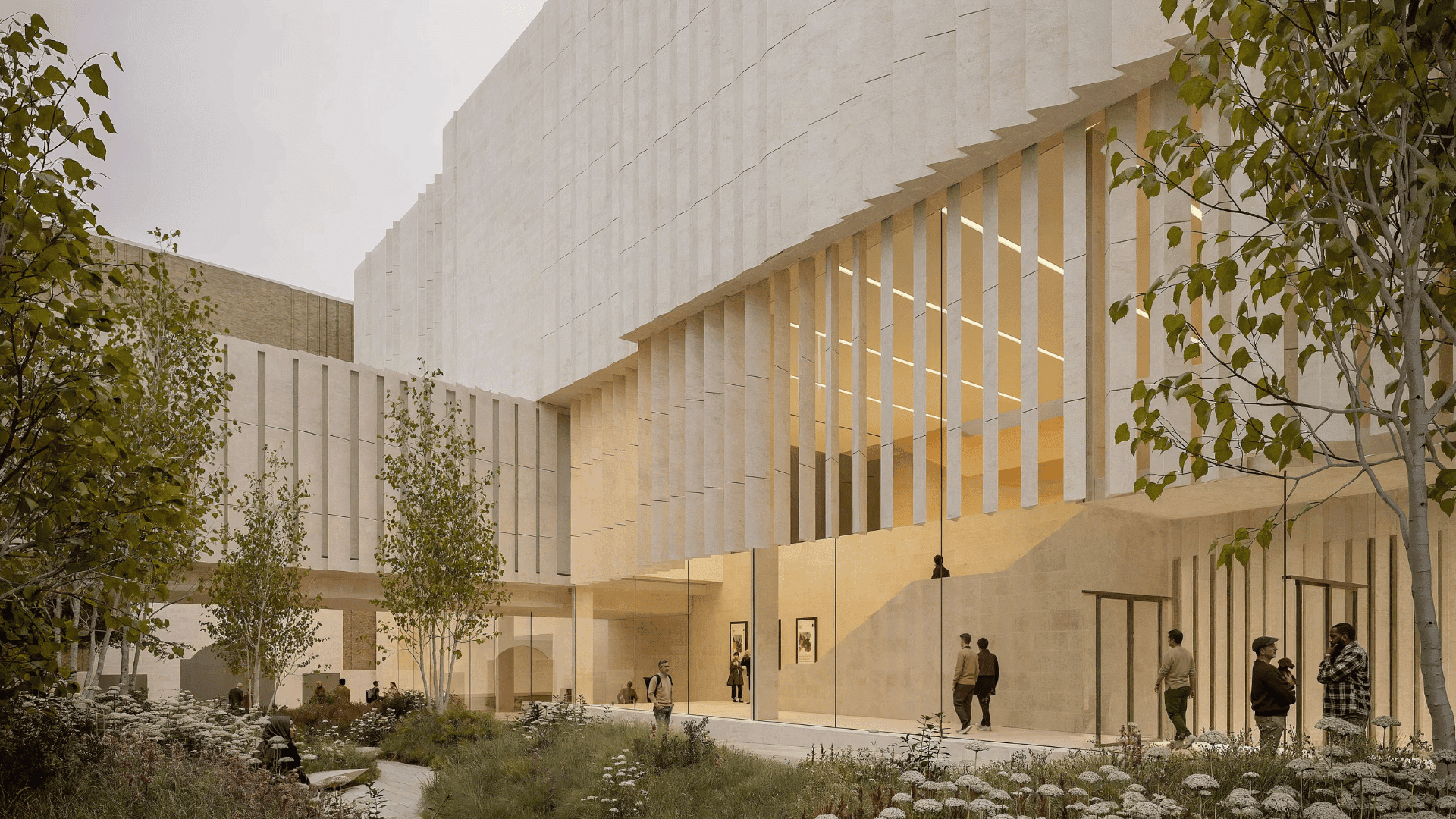
The designer, Kengo Kuma, will be creating the new wing as a part of Project Domani, the gallery’s expansion into art from the 20th and 21st centuries. Once the transformation is complete, the National Gallery will be the only museum in the world where visitors will be able to view the whole history of painting in the western tradition.
Due to an agreement with Tate, which collects only modern art, the gallery hasn’t traditionally collected many paintings made past 1900. For the design of the new wing, the National Gallery launched an international architectural competition, which amassed a total of 65 submissions. Six architects were shortlisted to take part in a design competition.
Advertisement
The design submission by Kengo Kuma and Associates alongside BDP and MICA was called “exemplary” and awarded the highest available score.
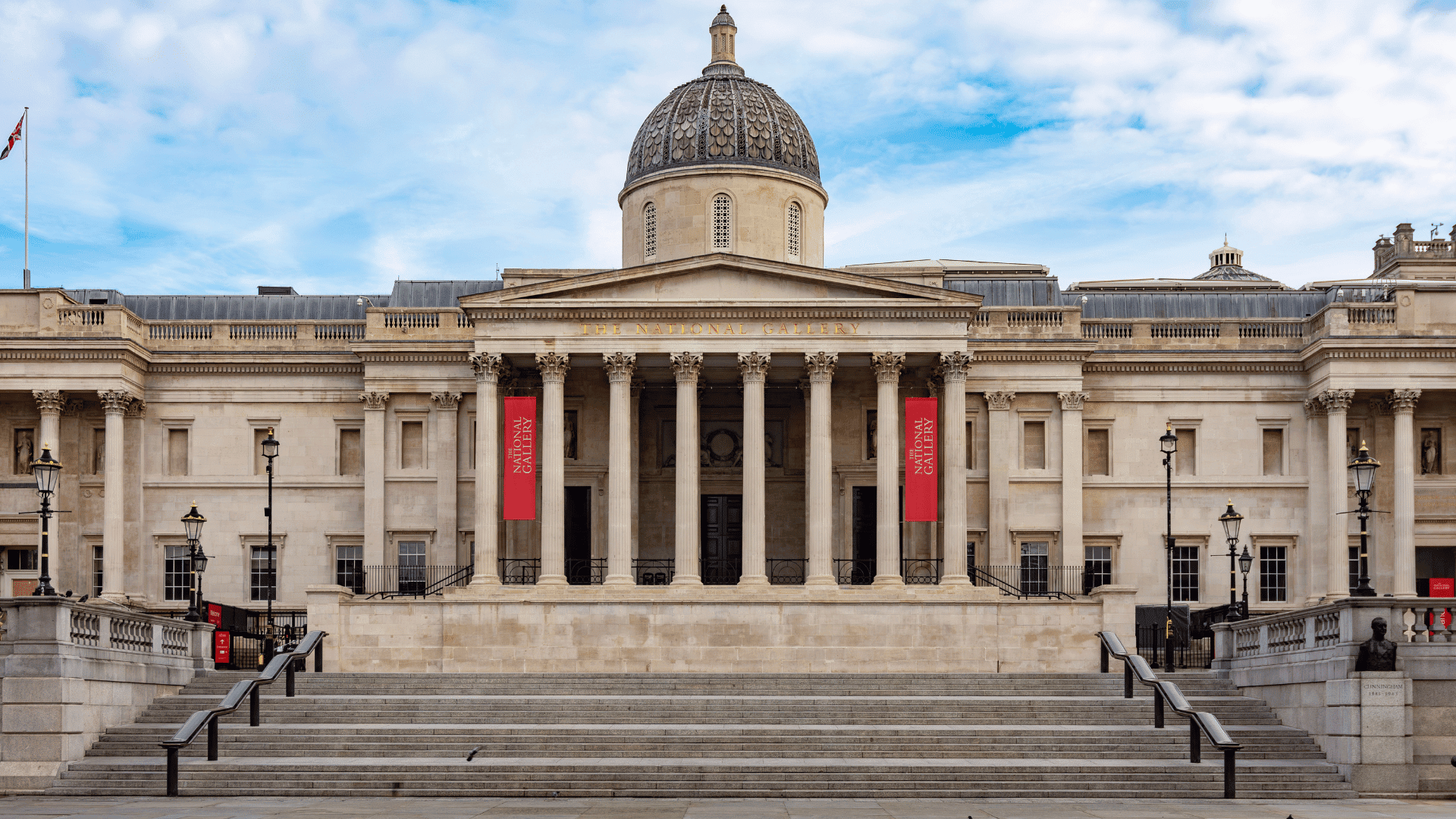
According to John Booth, the National Gallery’s chair of trustees and jury chair, Kuma created a “beautiful design inside and out, sensitive to our existing Grade I exteriors and distinctive gallery spaces”. He also said the new building would “help to unite two of London’s most important outdoor spaces – Leicester and Trafalgar Squares – by creating enticing new public realm between them.”
The new wing project, which has already raised £375m, will be built on a site bought by the gallery 30 years ago. The money will be used to purchase post-1900 artworks and provide an endowment fund.
The jury said of Kuma’s new wing: “The design is both innovative and beautiful, meeting the ambition and sensitivity required for an international gallery commission. It is respectful of the Sainsbury Wing galleries … and the approach to the public realm and roof garden creates a generous presence, enhanced by trees and greenery.”