Mattel has introduced a new doll to the toy aisle, and she comes with some special accessories. For the first time, the Barbie Fashionistas line features an autistic doll. In a partnership with the Autistic Self Advocacy Network (ASAN), the design team spent 18 months ensuring every detail was meaningful to the community.
Mattel’s Diverse Barbie Lineup
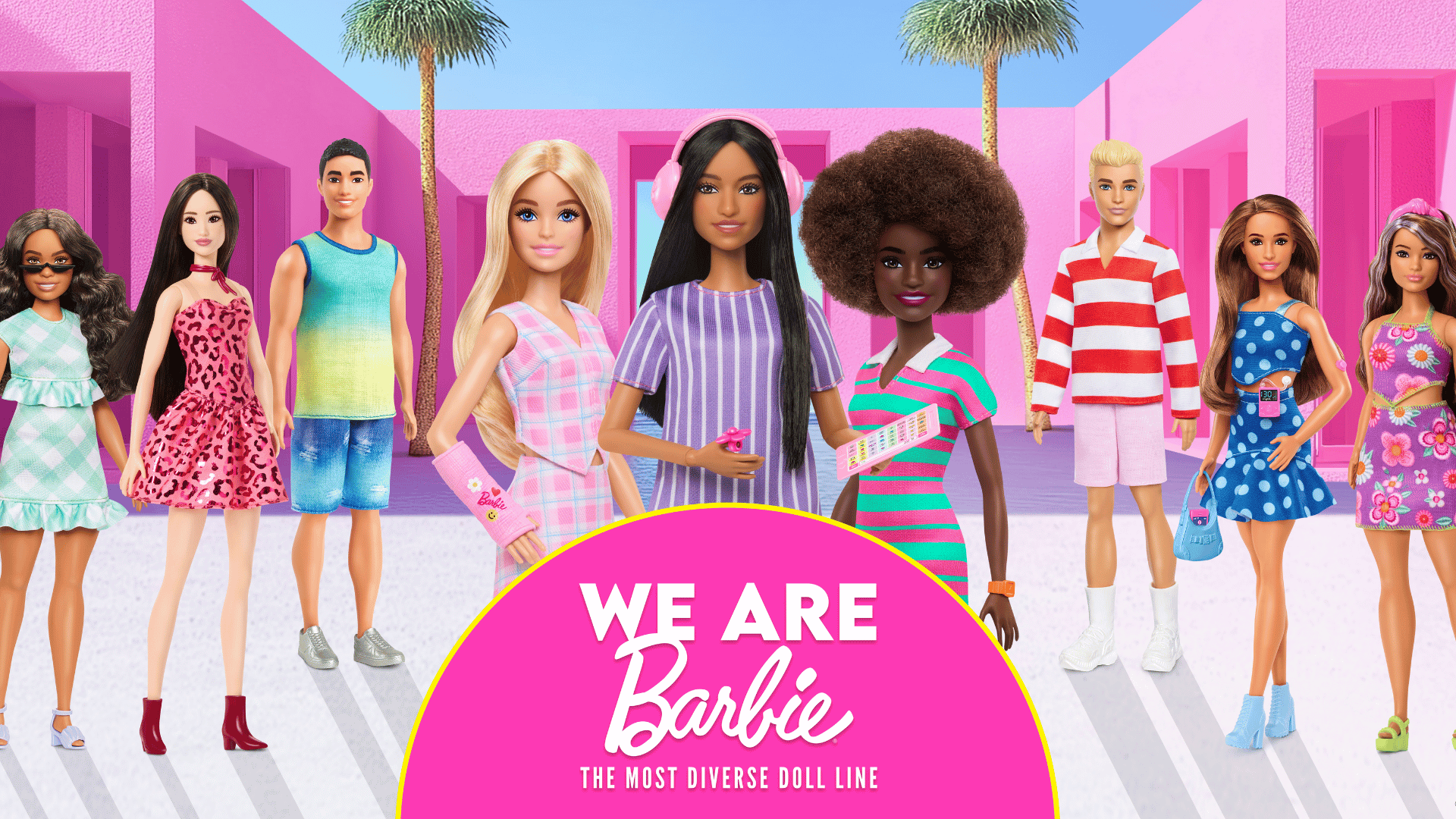
While Mattel’s autistic Barbie is the newest member of the Fashionistas lineup, it features a long list of diverse dolls. Included in the Fashionista line is a Down Syndrome doll that was created with the National Down Syndrome Society. In addition, the diverse line of dolls features Blind Barbie and a doll with Type 1 Diabetes. The Fashionista collection also includes Barbies and Kens in wheelchairs, as well as dolls with prosthetic limbs and other physical disabilities.
Barbie’s Thoughtful Design
“Barbie has always strived to reflect the world kids see and the possibilities they imagine, and we’re proud to introduce our first autistic Barbie as part of that ongoing work,” said Jamie Cygielman, Global Head of Dolls at Mattel.
“The doll, designed with guidance from the Autistic Self Advocacy Network, helps to expand what inclusion looks like in the toy aisle and beyond because every child deserves to see themselves in Barbie.”
Advertisement
Additionally, Mattel designed the Barbie doll with a purpose. For example, her gaze is turned slightly to the side, reflecting how many autistic people prefer to avoid direct eye contact. Her clothes were carefully picked with sensory needs in mind, sporting a loose, purple pinstripe dress that feels comfortable and not restrictive.
She also comes with items that many people use in daily life, including pink noise-canceling headphones for loud places, a tablet with communication apps, and a fidget spinner that really spins. In addition, her arms and wrists can move for “stimming,” flapping her hands, and other common ways for autistic people to show excitement or process information.
Why Representation Matters
For kids, seeing a toy that reflects their own habits means a lot.
“As proud members of the autistic community, our ASAN team was thrilled to help create the first-ever autistic Barbie doll,” said Colin Killick, Executive Director, Autistic Self Advocacy Network (ASAN). “It is so important for young autistic people to see authentic, joyful representations of themselves, and that’s exactly what this doll is.”
To celebrate the launch, Mattel is donating 1,000 of these dolls to pediatric hospitals across the country.