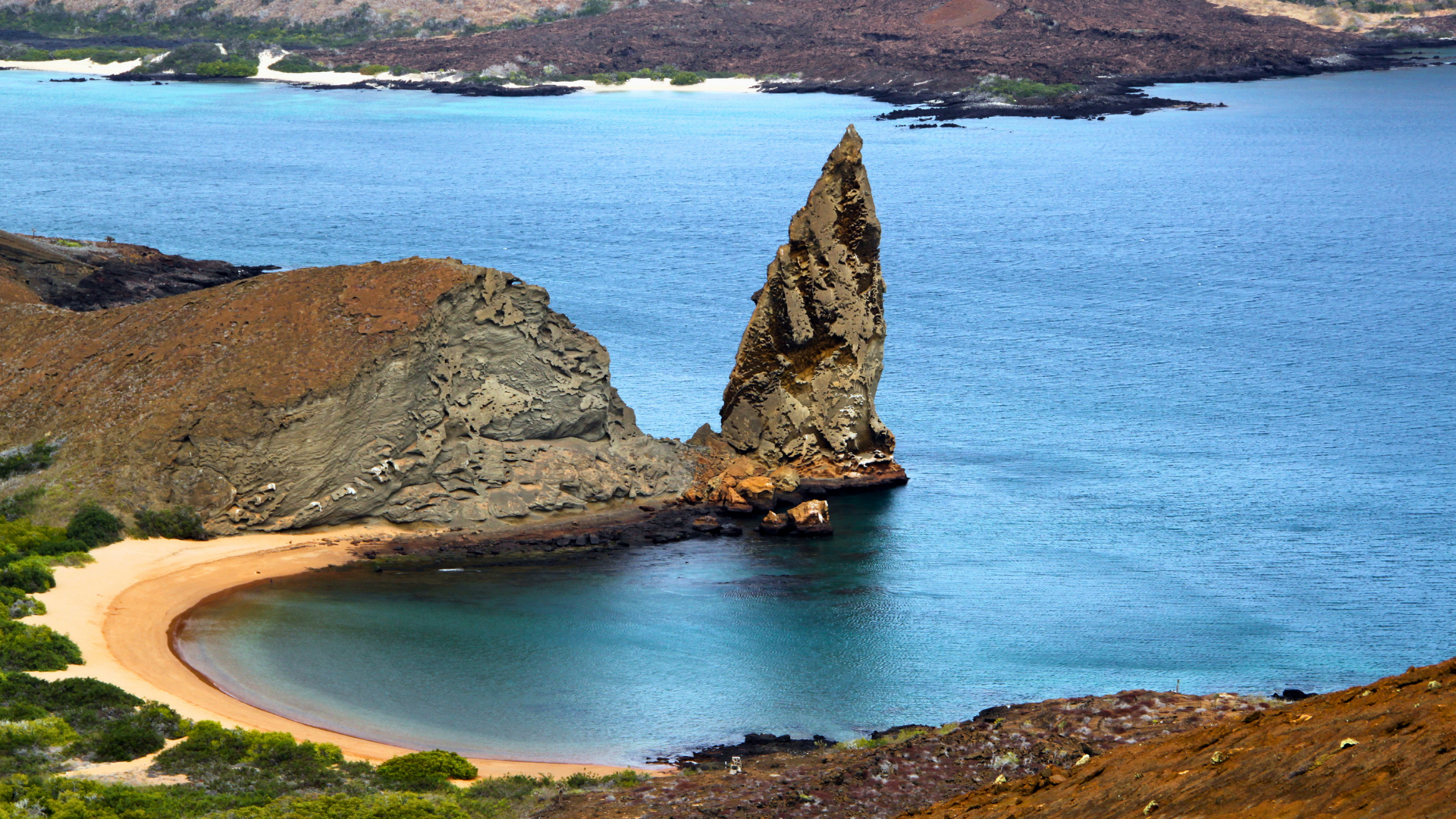
Travel and new surroundings constantly push artists to change their style. When painters move to new places, the local light, landscape, weather, and culture soak into their work. Artists adapt their color palettes to reflect local soil, simplify complex shapes to capture massive geographic scales, mix native plants into traditional themes, blend dreamlike ideas with real landforms, and absorb local culture to change the story on the canvas.
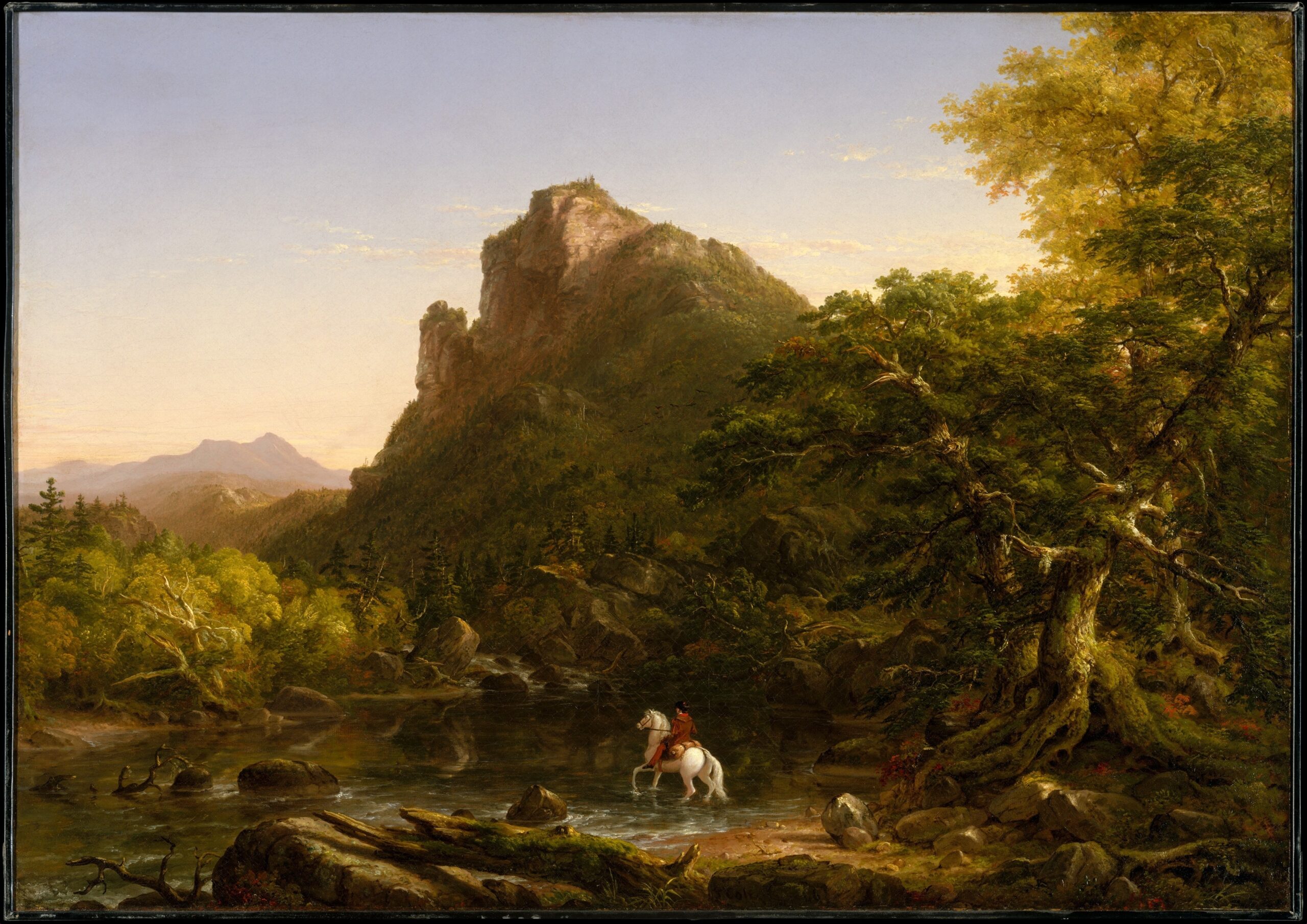
Arizona has drawn artists for over a century due to its harsh light, massive canyons, and open deserts. These five distinct paintings show how different painters transformed Arizona’s atmosphere into unique works of art.
1. Grand Canyon of Arizona at Sunset by Thomas Moran (1909)
Thomas Moran traveled west by train and fell in love with Arizona’s rock formations. In this painting, he used sweeping layers of red, gold, and purple paint. He captured the Grand Canyon’s massive scale by painting deep shadows against glowing sunset light.
2. Arizona Landscape by Max Ernst (1946)
Surrealist painter Max Ernst moved from Europe to Sedona after World War II. The red rock spires reminded him of alien planets. He used a special scraping technique to apply paint, creating rough, crusty textures that mimic the desert floor. The result looks like a dreamscape pulled straight from Sedona’s rocks.
3. Earth and Sky by Maynard Dixon (1940)
Advertisement
Maynard Dixon spent decades traveling through the Southwest. He hated cluttered paintings, so he simplified Arizona’s landscape into bold geometric shapes. This piece uses strong horizontal lines, flat desert floors, and giant blue skies to convey the desert’s total silence.
4. Storm Beyond the Rim by Ed Mell (1980s)
Ed Mell grew up in Phoenix and spent years driving across the state to watch monsoon storms. In this painting, he uses sharp, angular lines to paint jagged clouds and rain streaks falling over red cliffs. He gives the desert weather a modern, almost architectural feel.
5. Desert Landscape with Figures by Philip C. Curtis (1960s)
Philip C. Curtis settled in Scottsdale and viewed the desert through the lens of magic realism. Instead of traditional nature scenes, he painted Victorian-dressed figures standing alone in wide, empty desert landscapes. The pale colors and flat horizons reflect the quiet isolation of early Arizona.
The Takeaway
Each artist saw the exact same state, but they created totally different worlds. Travel gives painters fresh inspiration, showing how the environment directly shapes creativity.
 Read Exclusive Stories
 Bookmark & Save Articles For Later