Music and visual art have always shared a strong connection. Painters often listen to songs to capture a specific mood, rhythm, or energy on canvas. A slow melody might lead to soft brushstrokes and dark colors. A fast tempo can inspire sharp lines and bright hues.
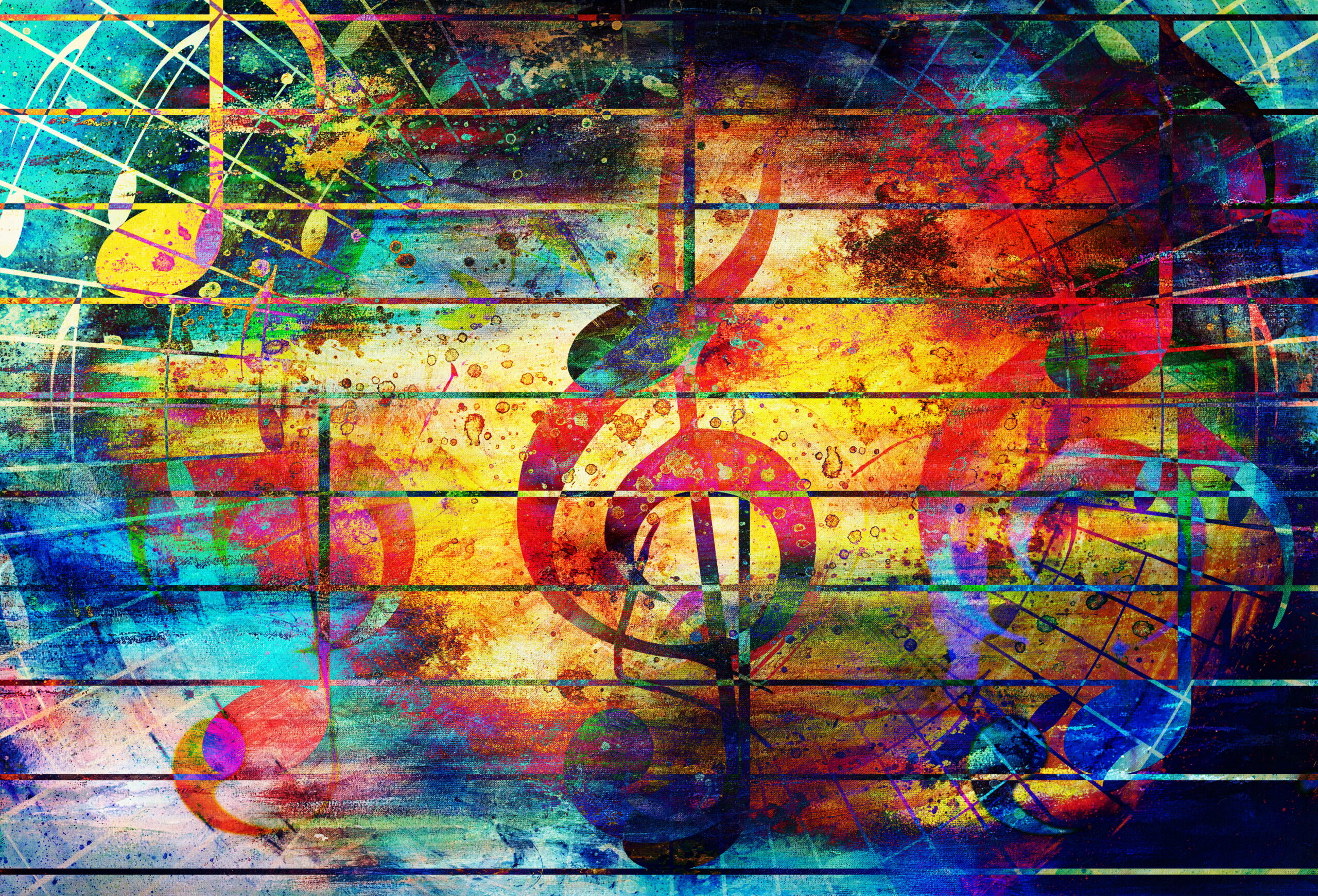
For a long time, creators used traditional tools like oil paint and pencils to capture sound. Modern creators use advanced technology to push those creative boundaries even further. They turn musical notes into dynamic digital landscapes.
Turning Audio Data into Visual Art
Instead of painting by hand while listening to a record, some modern artists use software to analyze sound patterns directly. The computer reads audio frequencies, pitch, and rhythm. Then, algorithms translate those signals into light, color, and moving shapes.
This process lets audiences see what sound actually feels like. It turns invisible acoustic waves into living visual experiences.
How Refik Anadol Redefines Sound and Space
Media artist Refik Anadol offers a strong example of this concept. He uses artificial intelligence and machine learning to turn sound archives into massive public installations.
Advertisement
For his project WDCH Dreams, Anadol worked with the Los Angeles Philharmonic. His team processed nearly 45 terabytes of audio files and visual history from the orchestra. An AI model parsed through a century of orchestral performances, organizing sound files by tone, rhythm, and texture.
Anadol projected the resulting visuals onto the metallic curves of the Walt Disney Concert Hall. The building looked like it was moving. Waves of light reshaped the walls in real time, reacting to the symphony’s historical recordings.
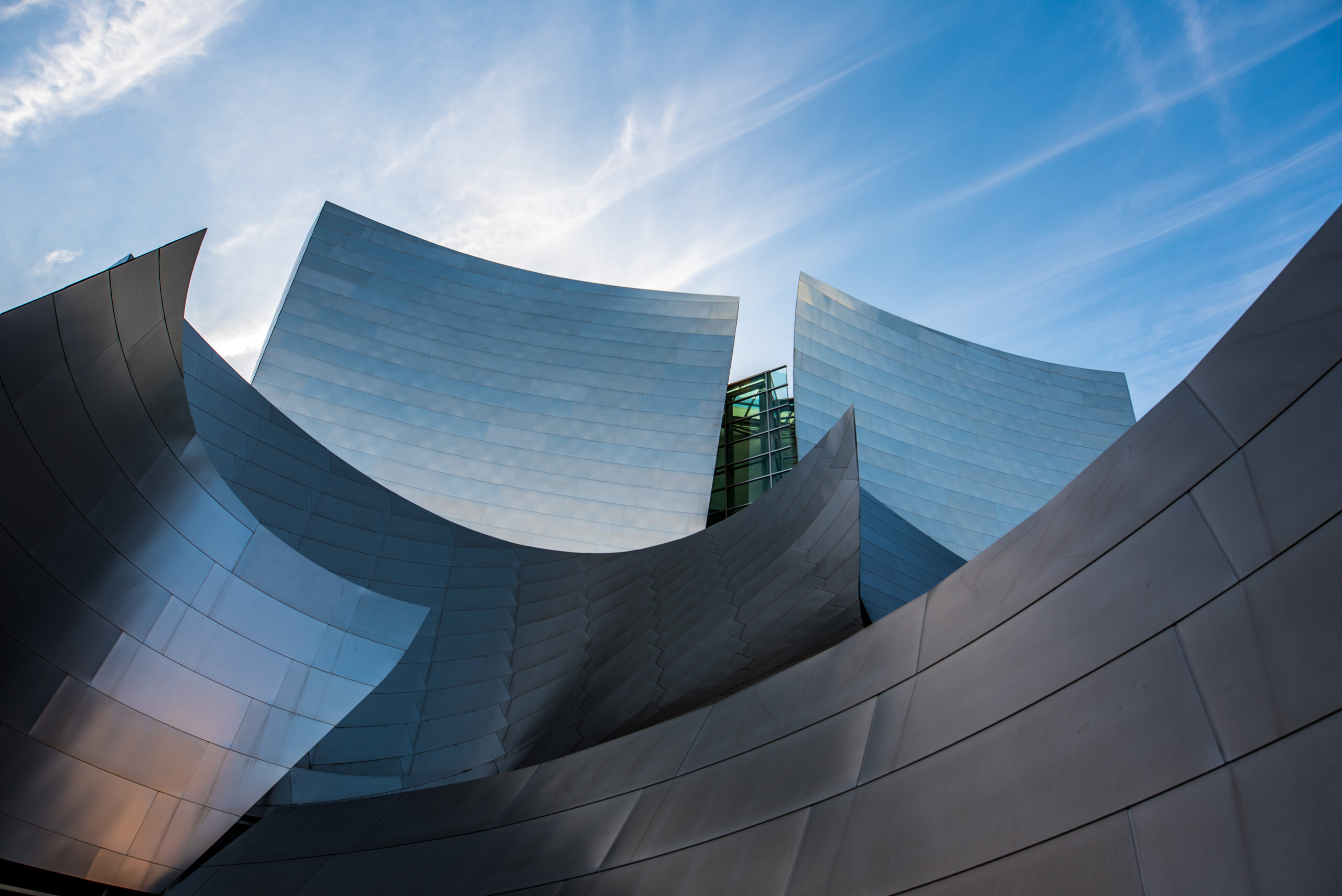
He did not just paint a picture inspired by a song. He used a massive audio archive to build a breathing, visual structure.
The Future of Music and Visual Media
This approach changes how people experience both sound and visual art. It shows that inspiration no longer runs in one direction. Music triggers data, data powers code, and code produces living visual design.

Creators no longer have to settle for static canvases. By combining audio archives with software, they build entirely new environments. The intersection of sound and technology continues to expand. It gives creators fresh tools to turn abstract ideas into reality.
 Read Exclusive Stories
 Bookmark & Save Articles For Later