New research into a 3,300-year-old papyrus showed that ancient Egyptian artists used their own form of modern white-out to correct mistakes.
Ancient Egyptian Artists
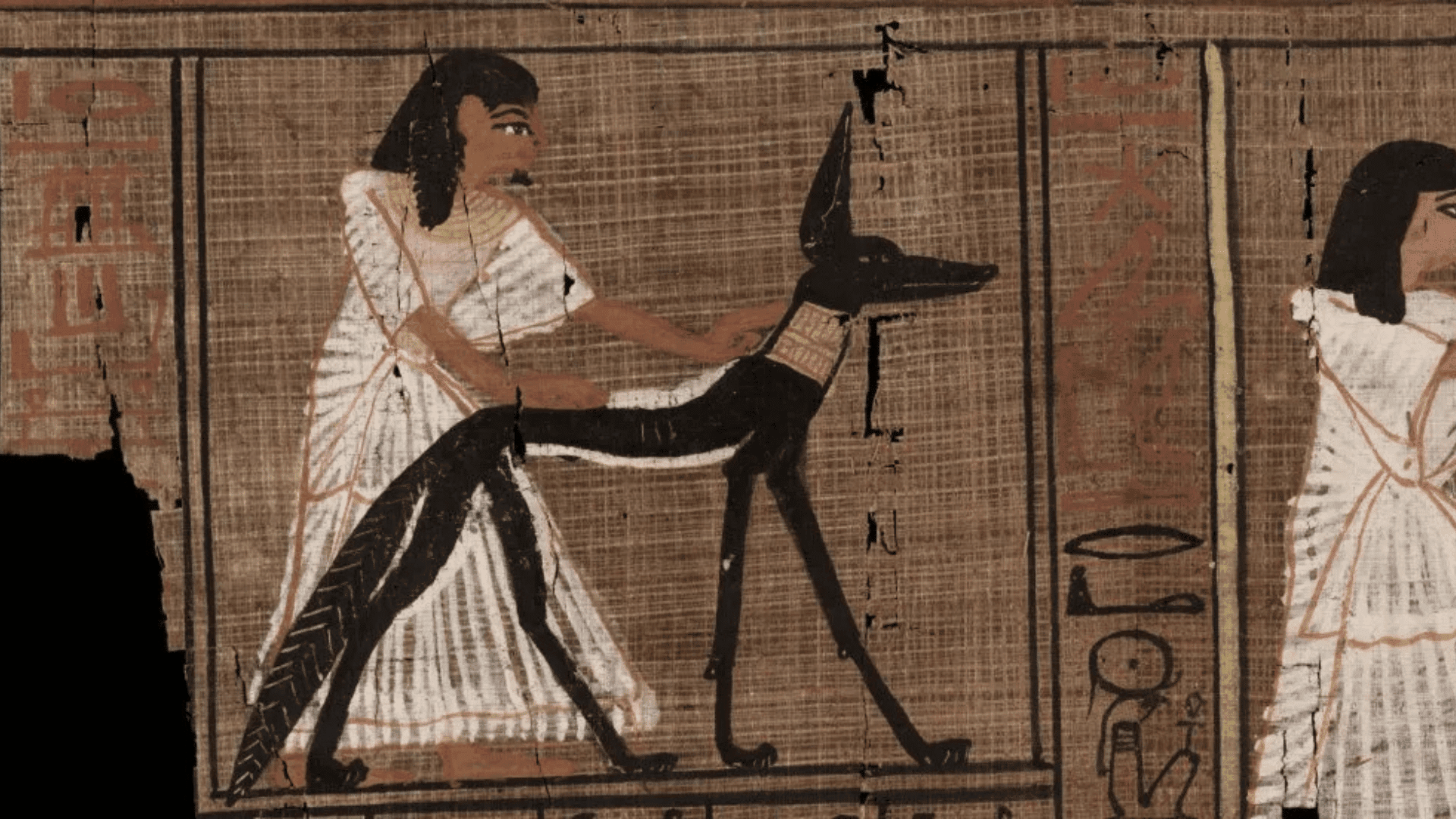
Ahead of the “Made in Ancient Egypt” exhibition at the Fitzwilliam Museum in Cambridge, U.K., curators were preparing papyri when they noticed that, on one of the pieces, the outline of a jackal had been modified with a white fluid to make the animal appear thinner.
“It’s as if someone saw the original way the jackal was painted and said, ‘it’s too fat; make it thinner,’” the exhibition’s curator, Helen Strudwick, said in a statement.
The artist appears to have slimmed the figure by applying bold white lines to either side of the jackal’s black body as well as the upper halves of its back legs. Infrared photography revealed that the white lines had been painted over to alter the jackal’s shape.
Advertisement
Researchers also used a 3D digital microscope to determine that the paint was made from a mixture of calcite and huntite. This differs from the paint used to depict Ramose’s robes, which was only made from huntite.
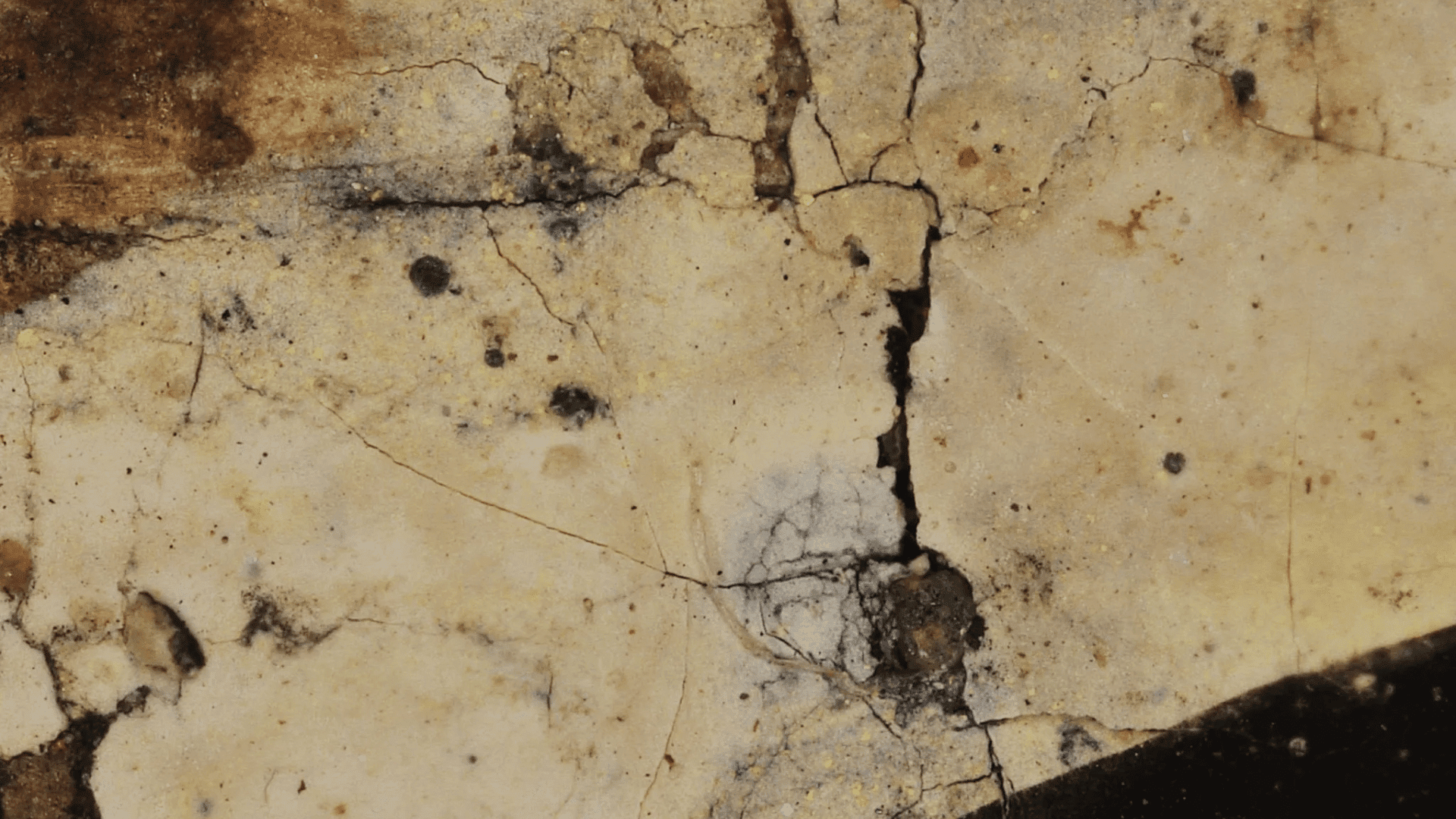
Under the microscope, researchers also spotted flecks of yellow paint that were most likely used to better blend the corrected section in with the papyrus. Strudwick has previously found other examples of ancient Egyptian craftspeople using correction fluid on papyri located in the British Museum and the Egyptian Museum in Cairo.
“When I have pointed them out to curators, they’ve been astonished,” Strudwick said. “It’s the kind of thing that you don’t notice at first.”
The alteration was found in a copy of the Book of the Dead, an anthology of spells believed to guide the deceased through the afterlife that was discovered in 1922. Estimated to have once reached more than 60 feet in length, hundreds of fragments of the artifact have been repaired and joined together by a specialist conservator in the early 2000s.
“Made in Ancient Egypt” is on view at the Fitzwilliam Museum, Trumpington St, Cambridge, the U.K., through April 12, 2026.