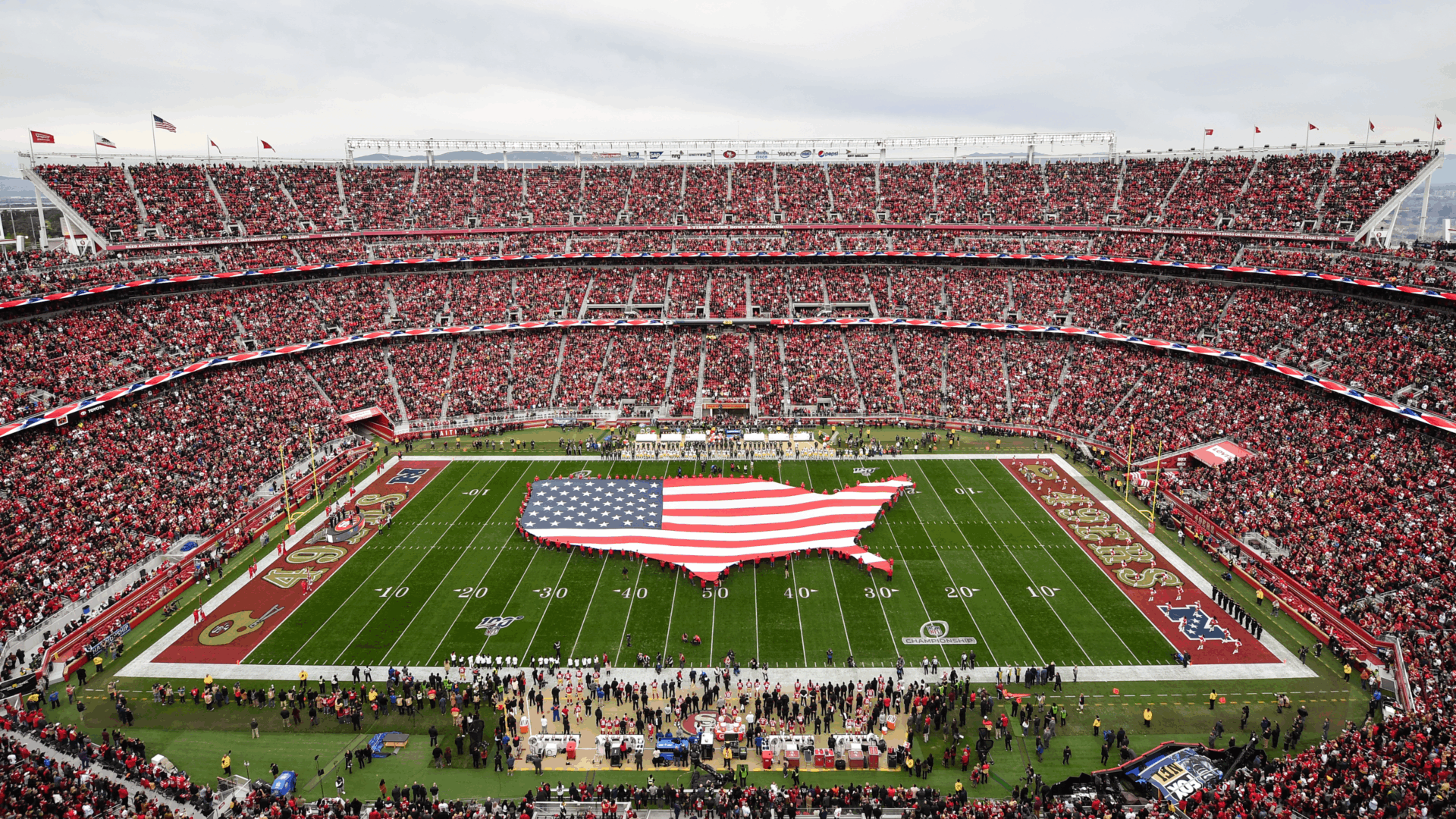
When the confetti falls for Super Bowl LX this February, the work at Levi’s Stadium won’t be over. It will only just be starting.
For the first time in history, a single venue will host the two biggest global sporting events of the year in a single calendar year. By February 2026, Levi’s Stadium will host the Super Bowl. Then, within a few short months, it will have to flip and prepare to host the World Cup.
The primary focus is not on the sporting events themselves, but on the engineering agility required to achieve this transformation.
The $200 Million “Quick Change”
To make this flip possible, the San Francisco 49ers and the venue’s governing body have committed to a significant renovation to make the stadium’s infrastructure modular. The announcement of the renovation states that the stadium has undergone a $200 million renovation. This wasn’t just a renovation. This was a renovation tailored to accommodate both NFL and FIFA events, with their differing technical needs.

Advertisement
Engineering with a Glass-to-Glass System
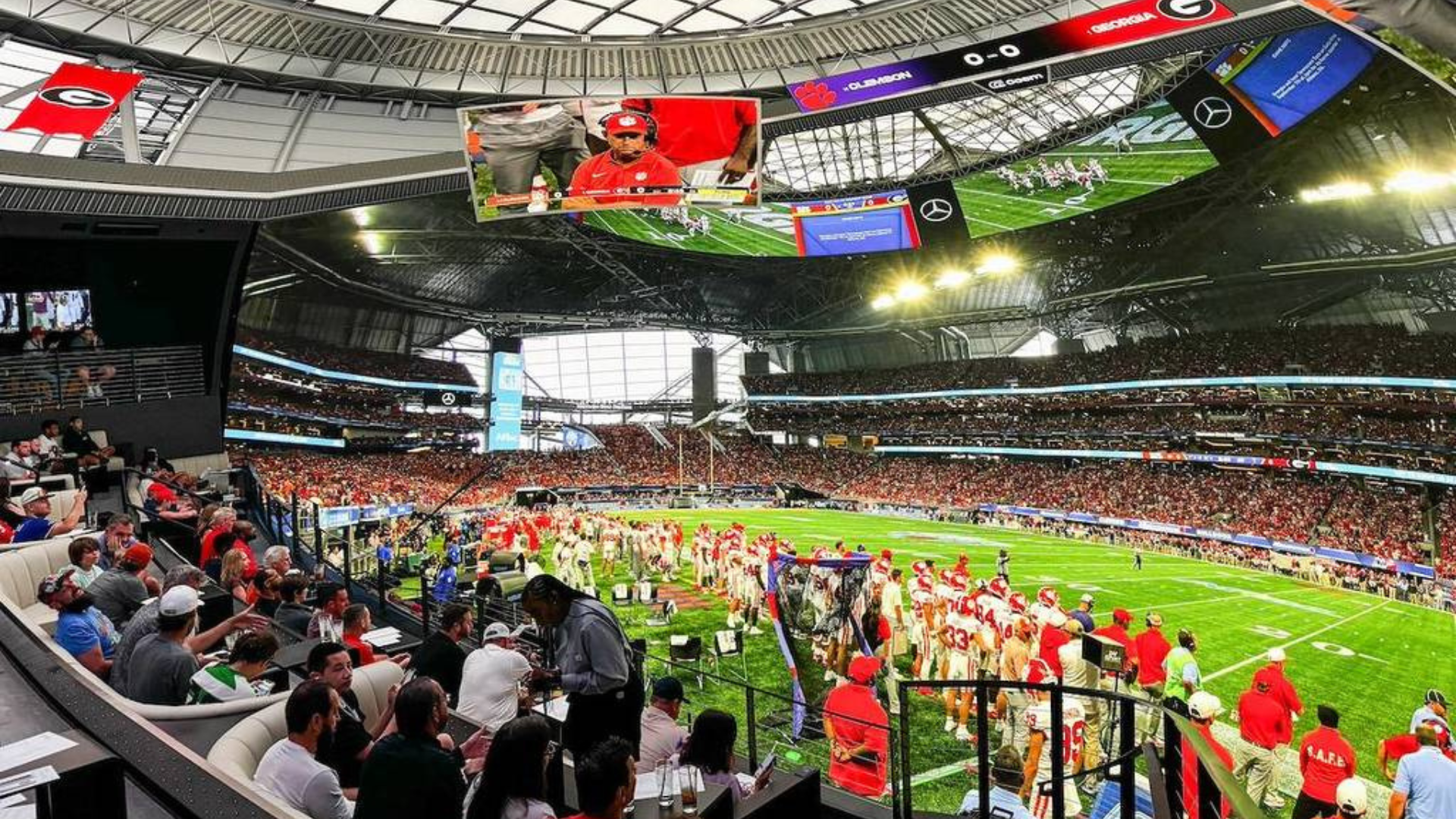
The most obvious change has been in the stadium’s visual infrastructure. It now boasts the biggest NFL 4K display. There are two enormous boards that are 70% larger than the ones that were previously fitted.
The more complicated change has occurred in the server room. The stadium now boasts a “glass-to-glass” 4K ecosystem. That is, from the camera lens, through data processing in the control room, to playback on the LED boards, all data remains uncompressed 4K data. The stadium had to completely re-engineer its neural network and switch to an IP-based control room rather than a coaxial one. This upgrade accommodates bandwidth levels that the prior system simply could not handle.
Flipping the Field
The most challenging area that requires engineering modifications is the playing surface itself. The stadium has to flip from NFL-level durability to FIFA’s natural grass standards. The “bowl” of the stadium will require extensive re-engineering, including reworked drainage and ventilation, so it will be pitch-ready for World Cup play just weeks after the NFL season ends.
Levi’s Stadium is more than a stadium; it is an engineering wonder that evolves into a stadium for the world.