Maintaining old bridges is extremely difficult for engineers. Over time, heavy traffic and weather cause concrete to crack and sag. Usually, crews fix this by adding a fresh layer of high-strength, waterproof concrete reinforced with steel bars. It works, but a team at Empa in Switzerland is testing a way to make those repairs do more than just sit there.
Instead of standard steel, researchers led by Angela Sequeira Lemos and Christoph Czaderski are using “shape memory” iron bars. This material essentially has a memory. After the bars are tucked into the new concrete layer, they are heated to 200°C. As they cool, they try to shrink back to their original shape. Because they are locked in place, they can’t actually move, which creates an internal pull that squeezes the concrete together.
“The beauty of this strengthening system is its simplicity,” said Sequeira Lemos. “You anchor the bars, heat them up, and they do the rest themselves.”
Putting the Steel to the Test
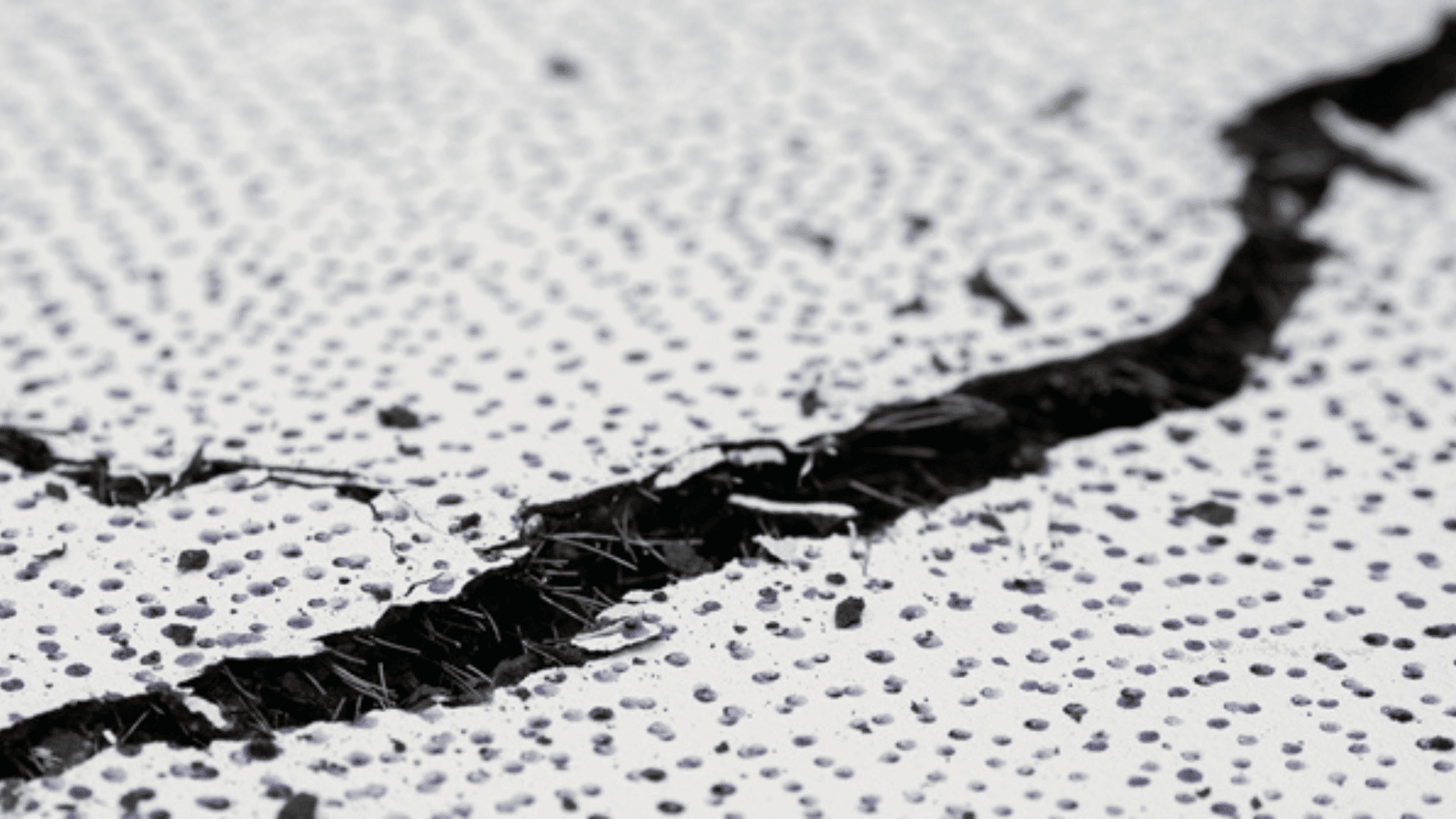
The team built five-meter-long concrete slabs in their lab to mimic real bridge decks. To make it realistic, they even cracked the slabs before fixing them. When they heated the special iron bars, the cracks closed up, and the sagging parts of the concrete actually lifted back into place.
To see exactly what was happening inside, the team used fiber optic sensors. These work like the cables that carry your internet, but instead of data, the researchers looked at how light bounced back to see how the bars were deforming in real-time.
Advertisement
Why This Matters
The results showed that while standard steel makes a bridge stronger, this new “smart” system makes it stiffer and more durable, and fixes what’s already broken.
“We were able to show that our system not only works, but can actually revitalize existing bridges,” said Sequeira Lemos.
Right now, these materials are still expensive, so you won’t see them on every overpass just yet. They are best for bridges that are already badly damaged, where normal fixes aren’t enough. However, the team thinks the tech could eventually work for balconies or flat roofs too.
“If we can reinforce a real bridge with our system, interest from industry is likely to grow rapidly,” said Sequeira Lemos. “And as demand increases, material costs are also likely to fall – then this technology could bring a lasting change in bridge renovation.”