Look at nature for long enough, and one thing becomes clear. Very few animals make it alone. Survival usually depends on working together, sharing roles, and paying attention to the group. Take Gray Wolf packs. They don’t hunt randomly. They coordinate. Some wolves chase, others cut off escape routes. The pack succeeds because each animal understands its role. A lone wolf rarely lasts long. It’s a similar story with African Elephant herds. These groups often follow a matriarch, usually an older female who remembers migration routes and water sources from decades earlier. When drought hits, that memory can mean the difference between life and death for the group.
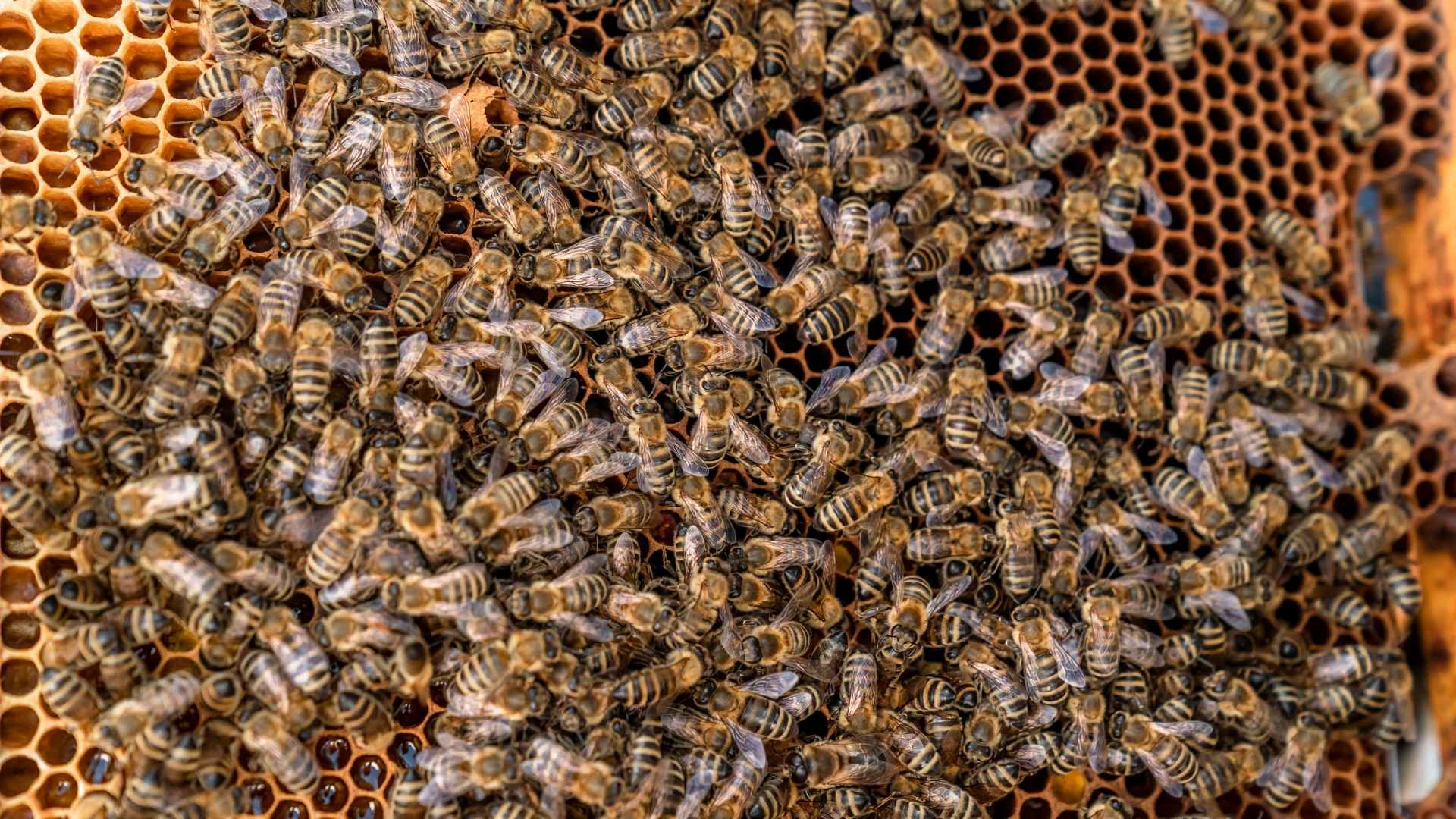
And then you have one of the most organized systems on Earth: the Honey Bee colony. Bees split jobs in a way that feels almost engineered. Some gather nectar. Others protect the hive. The queen focuses on reproduction. No single bee runs the show, but the colony functions as one unit. Here’s the thing. None of these animals thinks of “teamwork” as a concept. They just survive by doing what works together.
Cooperation Builds Stronger Systems
Scientists have studied animal cooperation for decades, and they keep finding the same pattern: groups outperform individuals in environments where survival gets tough. A study from the Smithsonian Institution highlights how social animals often solve problems faster than solitary ones. Groups share information, reduce risk, and increase efficiency. Even stress plays a role. In elephant herds, calves stay protected in the center of the group. Adults form a moving shield. That structure lowers mortality rates among young elephants in dangerous environments, such as those with predators or in human conflict zones.
Advertisement
Wolves show something similar. They adjust hunting strategies based on terrain, prey size, and group size. That flexibility only works because they respond to each other in real time, not in isolation. So cooperation isn’t just about being “nice.” It’s a survival strategy shaped by pressure, environment, and time.
What This Says About Us
Humans often talk about independence as if it were the goal. But nature tells a different story. We already depend on systems built through cooperation. Agriculture, medicine, transportation, and even electricity grids all rely on groups of people working in sync, often without ever meeting. Animal behavior makes that easier to see. Wolves, elephants, and bees don’t waste energy trying to do everything alone. They divide effort, communicate clearly, and adapt together.
That idea doesn’t need to stay in the wild. It applies anywhere people solve problems as a group. Projects move faster when roles are clear. Decisions improve when information flows both ways. And resilience grows when no single point carries all the weight. Nature doesn’t treat teamwork as optional. It treats it as necessary. And that’s probably why it shows up everywhere, from forests to oceans to the savannah. If anything, animals don’t just survive together. They prove that survival itself often depends on togetherness.
 Read Exclusive Stories
 Bookmark & Save Articles For Later