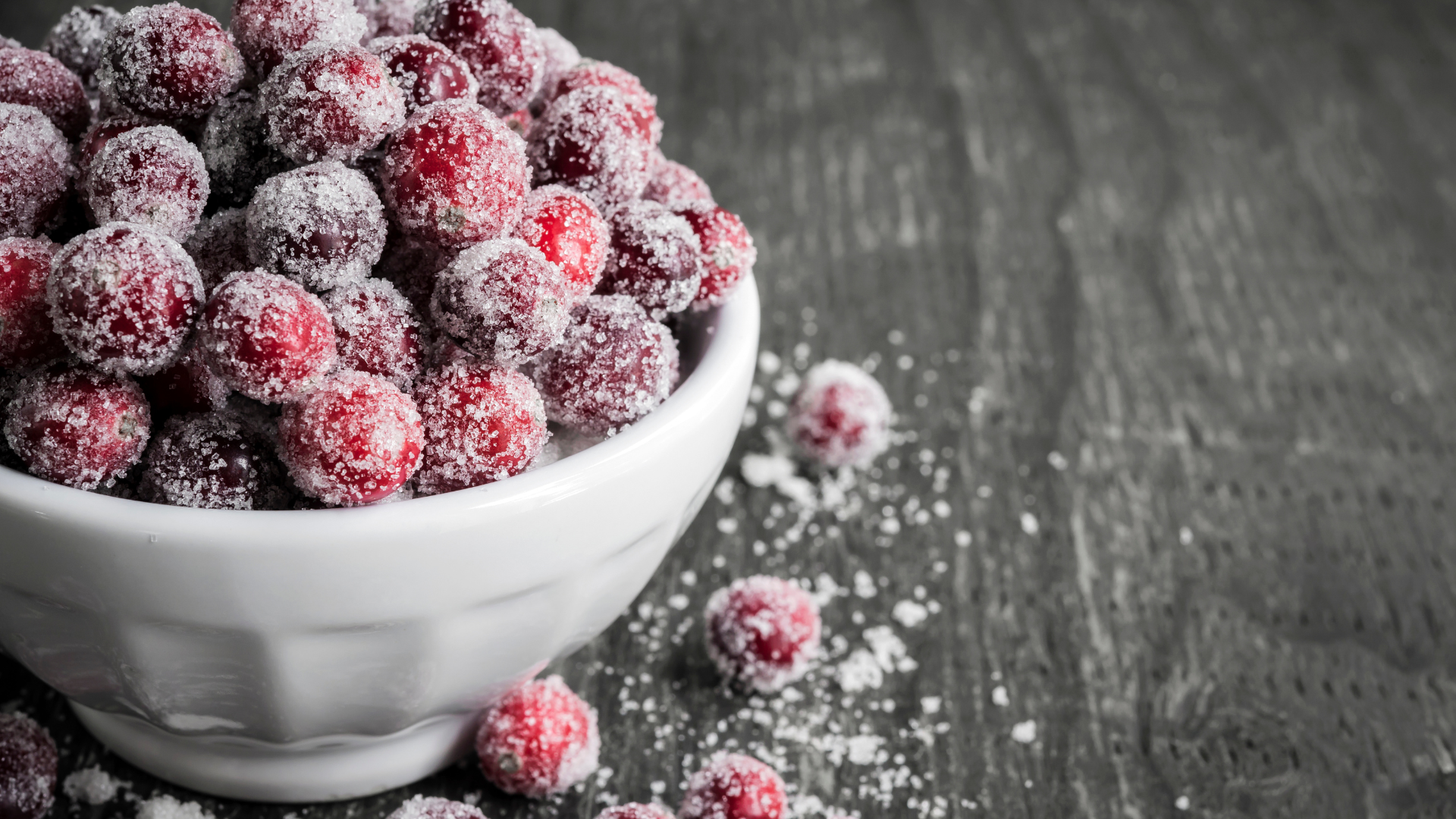
Holiday desserts often feature bright red cranberries covered in what appears to be a delicate layer of frost. These decorative berries are not frozen, though. They’re covered in sugar, and creating that sparkling finish requires a little preparation.
Sugared cranberries have become popular decorations for holiday cakes, pies, and other desserts. Their appearance comes down to a combination of sugar syrup, drying time, and the tiny crystals that catch the light.
Creating the Sugar Coating
The process begins with fresh cranberries and a simple syrup made by dissolving sugar in water.
Once the syrup has cooled slightly, the cranberries are added and gently coated. The liquid creates a thin, sticky layer across the surface of each berry.
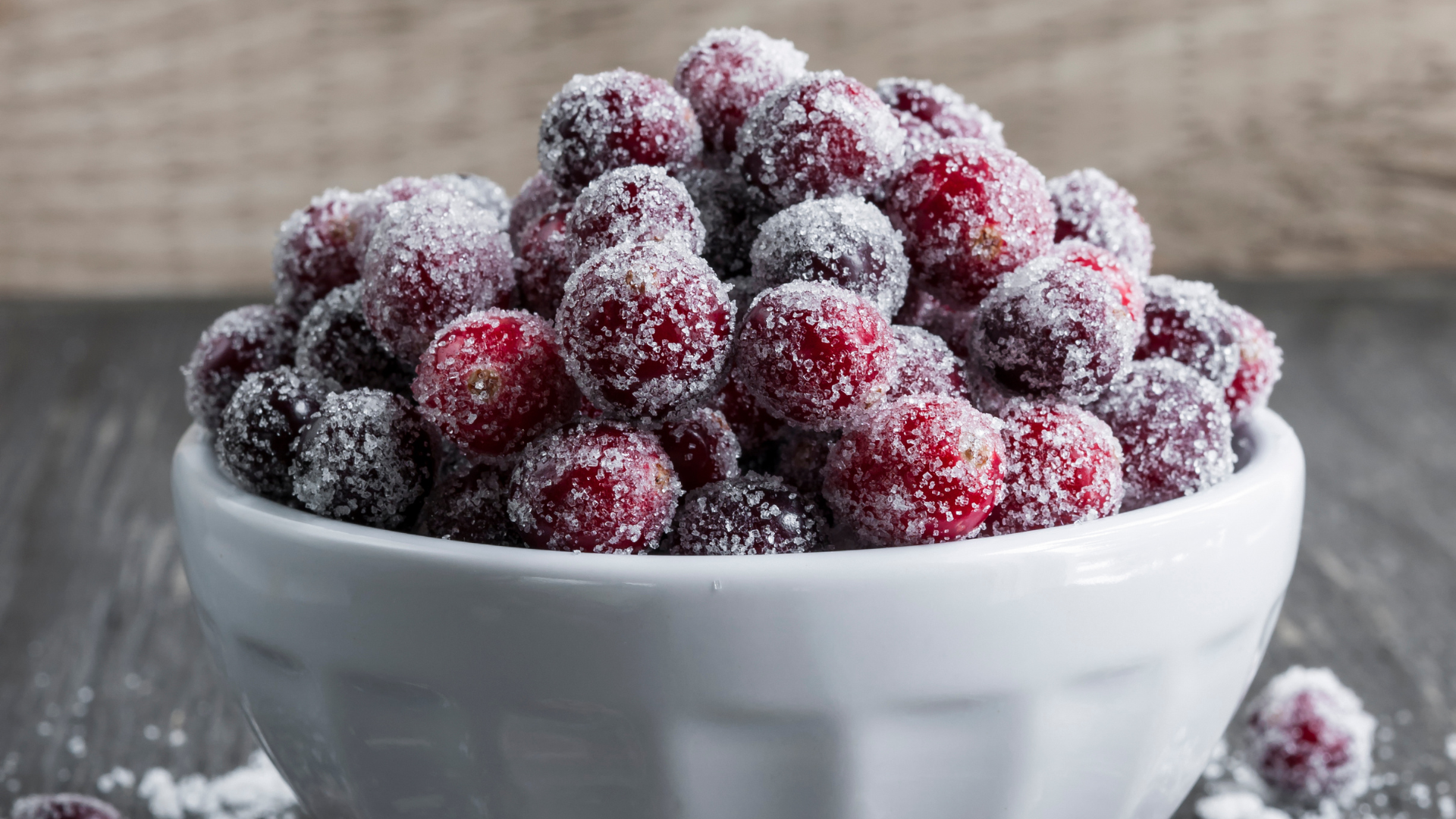
Unlike cranberry sauce, the berries aren’t cooked until they break apart. The goal is to keep their round shape and bright red color while preparing the surface for the sugar.
After the cranberries are removed from the syrup, they’re arranged on parchment paper to begin drying.
Why Drying Creates the Frosted Appearance
One of the most important parts of making sugared cranberries is allowing the syrup coating to become sticky before adding the final layer of sugar.
If the cranberries are rolled in sugar while they’re too wet, some of the crystals can dissolve instead of remaining visible on the surface.
Advertisement
After about an hour of drying, the berries can be rolled in granulated sugar. The crystals stick to the syrup, creating a textured white coating.
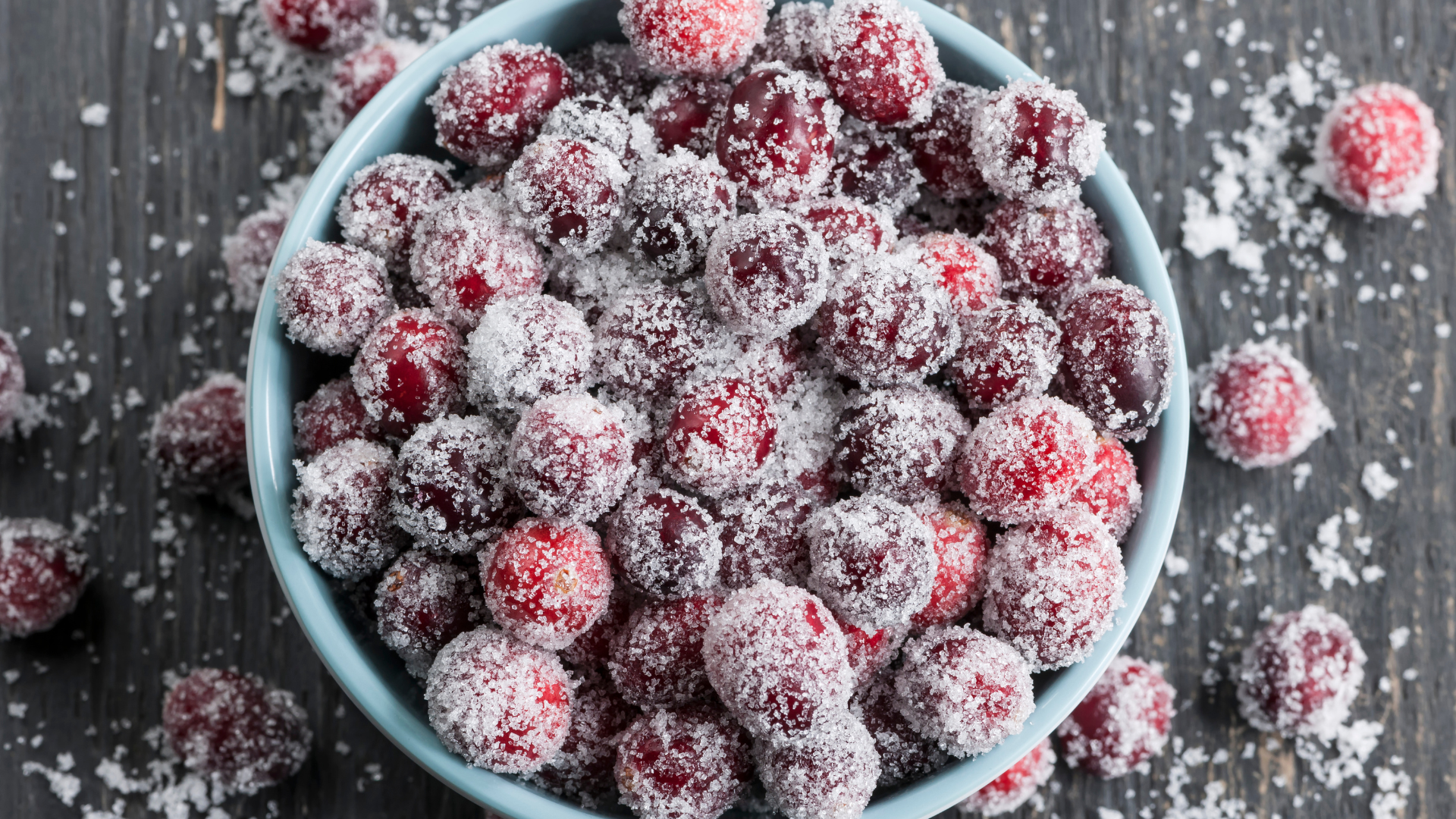
As the coating sets, the individual sugar crystals reflect light, giving the cranberries their sparkling appearance.
The finished berries are then left to dry again, helping stabilize the sugary exterior.
Decorating Holiday Desserts
Sugared cranberries can be used for both Thanksgiving and Christmas desserts.
Their deep red color contrasts with white frosting, chocolate, and other holiday decorations. They can also add a decorative finish to a Thanksgiving pie.
Some bakers use the same sugaring technique on fresh rosemary sprigs. Once coated, the rosemary resembles small evergreen branches covered in frost.
Arranging the berries alongside rosemary creates a winter-inspired display without artificial decorations.
The sugar coating can gradually absorb moisture, especially when placed on wet frosting or refrigerated desserts. For that reason, adding the cranberries shortly before serving can help preserve their frosted look.
 Read Exclusive Stories
 Bookmark & Save Articles For Later