Nothing beats biting into a fresh summer berry or a crisp, crunchy salad. Store-bought apples rarely match the sweet taste of one pulled straight off the branch. But fresh produce comes with a catch. It costs a lot to grow, ship, and buy.
Growing food takes space, water, and nutrients. Traditional farms need plenty of land and dirt. Urban areas just don’t have that kind of room.
That is where hydroponics comes in.
Instead of dirt, plants grow in water mixed with nutrients. Their roots sit in materials like peat moss or rockwool. It sounds like it would use a ton of water, but tests show it actually uses less than regular farming.
It takes up less space, too. Hydroponic plants have smaller root systems, so they fit in tight containers. Farmers can even stack them vertically to save more room.
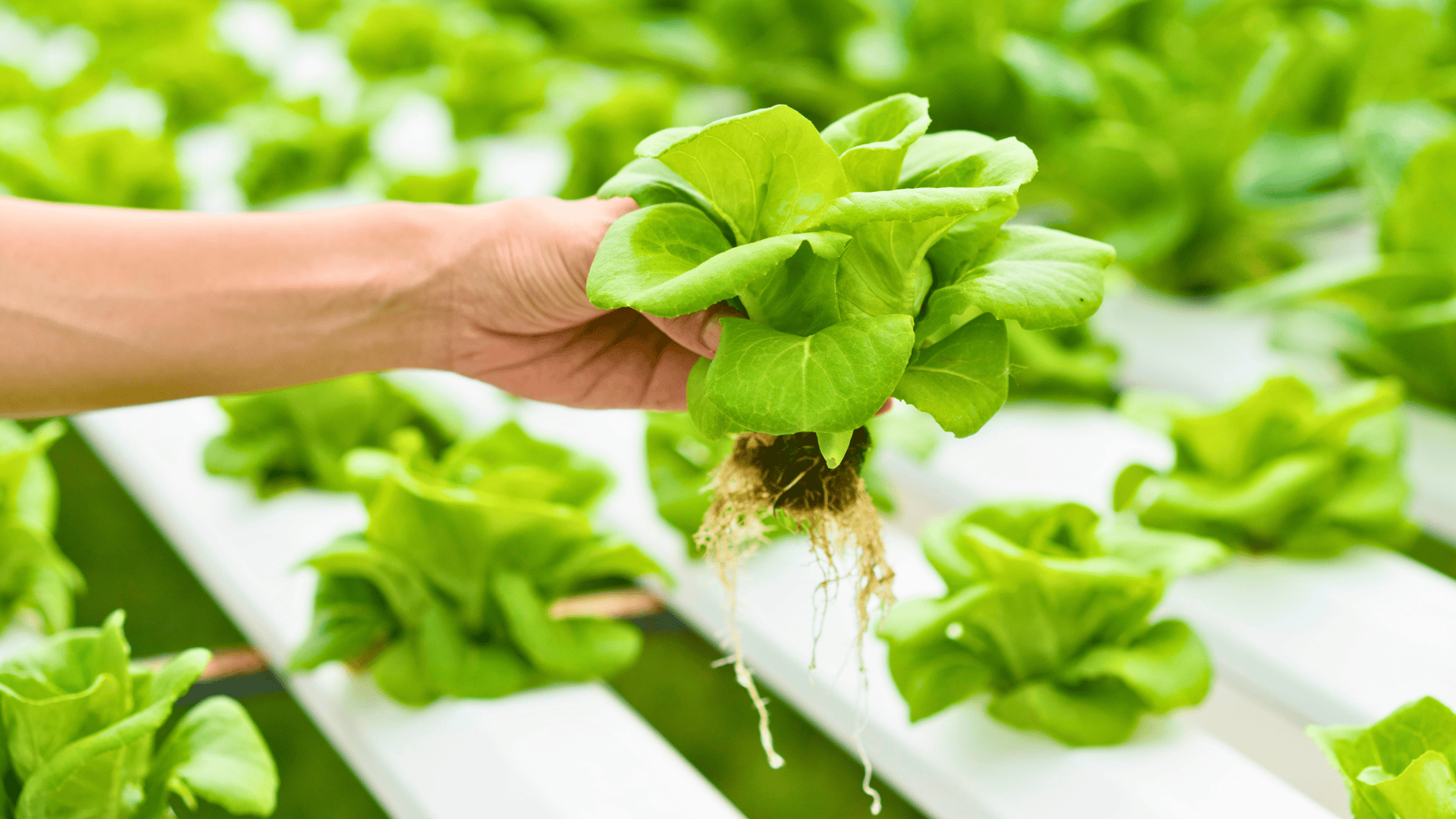
Plants also grow faster this way. Since the roots swim in a constant supply of food, they do not need to spread out to find nutrients. The plant puts all its energy into growing up instead of down. Because of this, hydroponic produce can grow up to 30 percent larger than crops grown in soil.
Advertisement
But it is not completely smooth sailing. Hydroponic setups take a lot of work. You have to check the water, pH balance, and nutrients constantly. Building a large system costs time and money, and specialty nutrients aren’t as cheap or easy to find as a shovel full of dirt. Plus, you always need a steady water supply.
Even with those hurdles, the method works. Down in Orlando, Florida, Epcot’s “Living with the Land” ride takes visitors through a working greenhouse. It has grown food for resort restaurants for decades.
Still, people argue about what counts as organic. When hydroponics started, farmers mostly used it during the off-season. Now, the industry is massive.
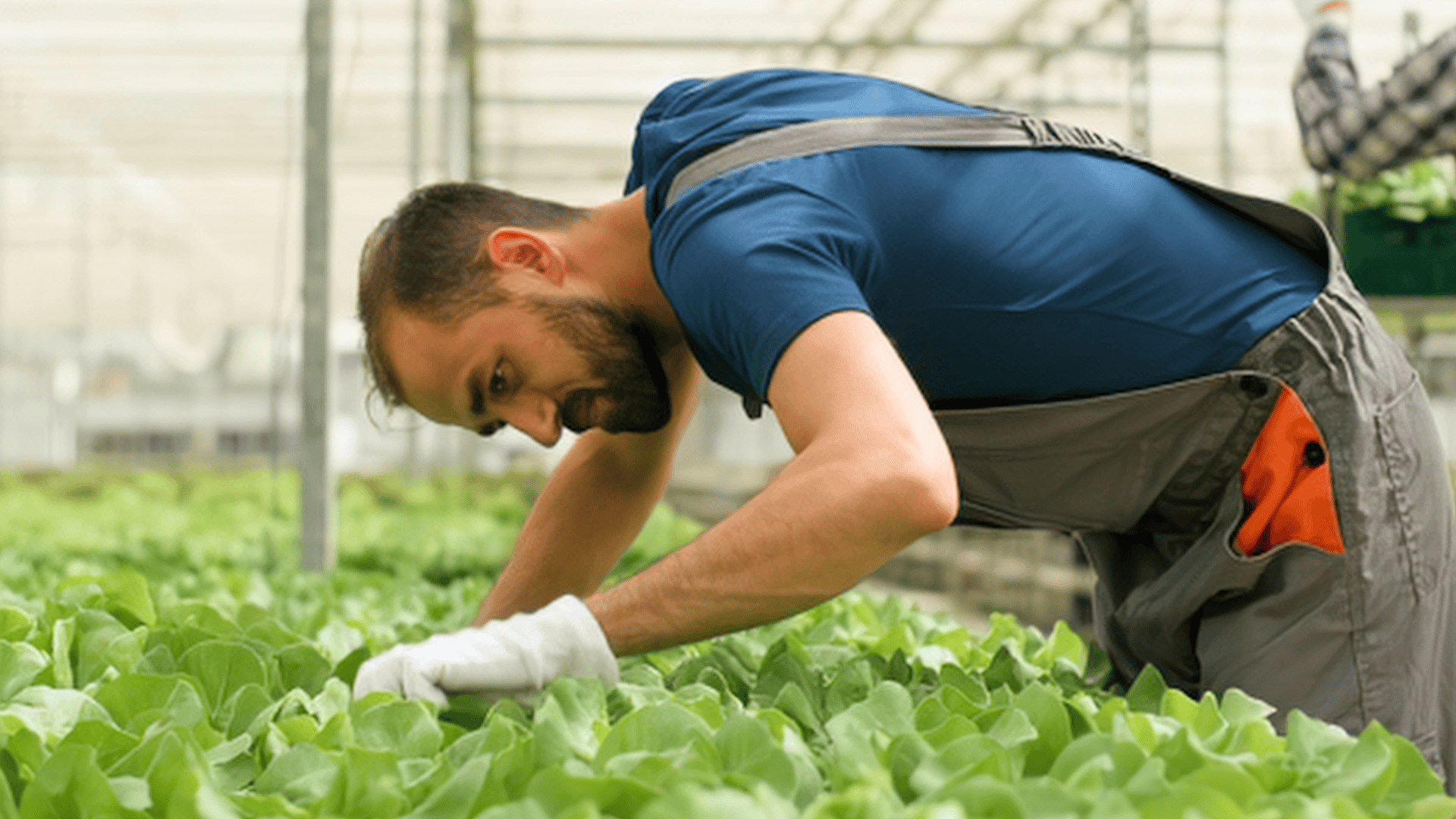
Debates aside, hydroponics changes how we grow food. It brings fresh fruits and veggies to places that normally don’t have them. It demonstrates that plants adapt rapidly and how smart farming technology can solve real-world problems.
So pass the salad, please. I’ll take a second helping.
 Read Exclusive Stories
 Bookmark & Save Articles For Later